

How Shared Meals, Coffee Rituals, and Everyday Gatherings Continue to Bring People Closer
Introduction: In a World Full of Messages, We Still Long for Real Conversations
We have never been more connected.
Messages arrive instantly.
Video calls bring people together across continents.
Social media allows us to share every moment with hundreds of people at once.
Yet many people still describe feeling disconnected.
Perhaps that's because communication and connection are not the same thing.
A message can be read in seconds.
A conversation can stay with us for years.
The conversations we remember rarely happen while scrolling through our phones. They happen across dining tables, over morning coffee, during long weekend brunches, or while sharing tea on a quiet afternoon.
They happen when there is nowhere else to be and nothing more important than listening.
As modern life becomes increasingly fast-paced, many people are rediscovering something surprisingly simple:
The best conversations still happen around a table.
The Table Has Always Been More Than a Piece of Furniture
Across cultures and generations, the table has represented far more than a place to eat.
It is where families celebrate birthdays.
Where friends gather after months apart.
Where children finish homework while parents prepare dinner.
Where grandparents share stories that cannot be found in history books.
Where everyday conversations quietly become lifelong memories.
A dining table doesn't ask people to perform.
It invites them to stay.
Unlike digital conversations that are often interrupted by notifications, conversations around a table unfold naturally.
One story leads to another.
Silence becomes comfortable.
Laughter fills the room.
Time slows down.
Long after the meal is over, people often remain seated simply because the conversation has become the most meaningful part of the evening.
Coffee Is Rarely Just About Coffee
Coffee has become one of the world's most universal reasons to pause.
Across Europe and North America, cafés continue to serve as gathering places where people meet not simply to drink coffee, but to spend time together.
A morning espresso before work.
An afternoon catch-up with an old friend.
A first date.
A brainstorming session between colleagues.
A quiet conversation between parents after school drop-off.
The coffee itself often becomes secondary.
What people truly seek is uninterrupted time.
A simple cup creates permission to slow down.
It removes the pressure of rushing.
It creates a space where conversations happen naturally.
Sometimes the question, "Would you like another cup?" becomes the beginning of an entirely new conversation.
Why Face-to-Face Conversations Feel Different
Technology has made communication incredibly efficient.
But efficiency isn't always what people need.
When we sit together, we notice things that no message can fully capture.
The pause before someone answers.
A smile that appears unexpectedly.
Shared laughter that spreads across the table.
Eye contact that communicates understanding without words.
These small moments build trust.
They strengthen friendships.
They deepen relationships.
Even silence feels different when shared with someone sitting across from us.
Perhaps that's why many of our most important conversations still happen in person.
Not because technology has failed us.
But because human connection has always required presence.
Home Is Becoming a Place for Gathering Again
In recent years, homes have begun serving multiple purposes.
They have become offices.
Creative studios.
Classrooms.
Fitness spaces.
Reading corners.
Coffee cafés.
As a result, many people are designing their homes differently.
Instead of focusing only on decoration, they are creating spaces that encourage people to gather.
Open kitchens invite conversation while meals are prepared.
Dining tables become places for work during the day and shared dinners at night.
Coffee corners become quiet spaces where mornings begin slowly.
Balconies become places for evening tea and meaningful conversations.
People are no longer designing homes simply to look beautiful.
They are designing homes to feel welcoming.
Because the best spaces are not the ones that impress visitors.
They're the ones where people want to stay a little longer.
Community Begins with Small Invitations
Strong communities are rarely built through large events alone.
They begin with simple invitations.
"Come over for coffee."
"Would you like to stay for dinner?"
"Let's meet at the café."
"Bring your favorite dessert."
These ordinary moments create opportunities for connection.
Book clubs.
Neighborhood dinners.
Weekend brunches.
Game nights.
Backyard barbecues.
Potluck lunches.
Community grows through repetition.
People become familiar faces.
Neighbors become friends.
Small gatherings gradually become traditions.
The strongest communities often begin with nothing more complicated than sharing a table.
Food Brings People Together, but Conversation Keeps Them There
Every memorable meal has two ingredients.
The food.
And the people.
While delicious food may bring everyone together, meaningful conversation is what makes people linger long after the plates have been cleared.
Stories about childhood.
Dreams for the future.
Travel experiences.
Family traditions.
Unexpected memories.
Simple observations about everyday life.
These conversations cannot be rushed.
They develop naturally over shared meals and warm drinks.
Years later, most people won't remember exactly what was served.
They'll remember who sat beside them.
Everyday Objects Quietly Become Part of Shared Moments
The objects surrounding these gatherings often become part of the memories themselves.
A favorite ceramic coffee mug.
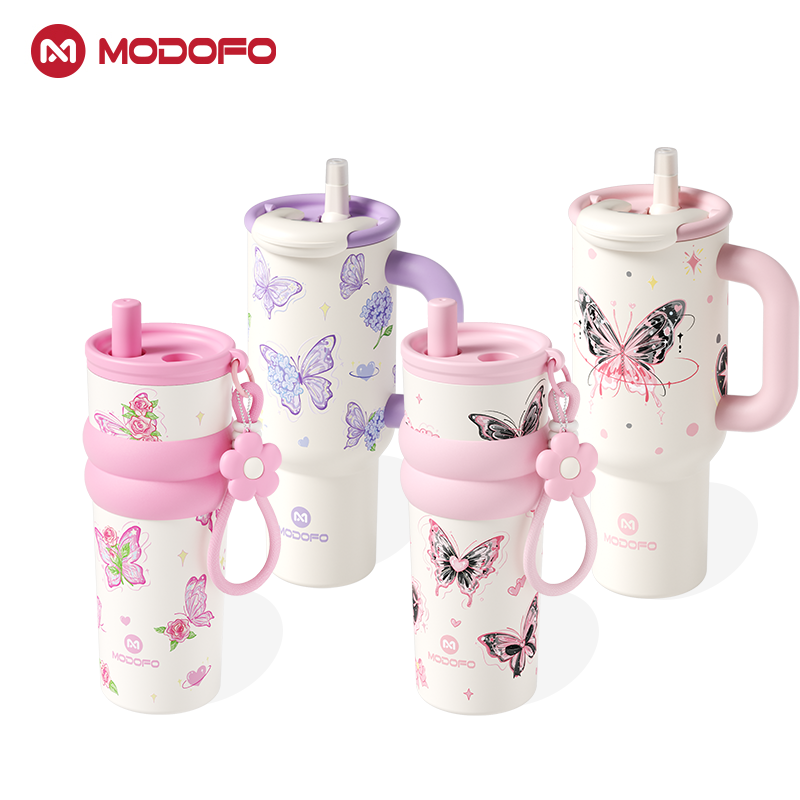
A reusable insulated tumbler carried on weekend outings.
A teapot passed around the table.
Serving bowls filled with homemade recipes.
Fresh flowers placed in the center of the table.
Candles glowing during dinner.
Simple kitchen essentials prepared for another gathering.
These objects don't create relationships.
People do.
But thoughtful everyday essentials help create spaces where people feel comfortable enough to slow down, share stories, and enjoy one another's company.
Sometimes the most meaningful products are the ones that quietly support life's best moments without ever demanding attention.
Conversation Doesn't Need a Special Occasion
One of the greatest misconceptions about meaningful conversations is that they require important events.
In reality, they often happen during completely ordinary moments.
Breakfast before work.
Coffee after a neighborhood walk.
Lunch on a sunny balcony.
Tea while watching the rain.
Dinner on a Tuesday evening.
Fresh fruit shared during a family picnic.
A quiet evening with no phones on the table.
These are not celebrations.
They are everyday moments made memorable simply because people were fully present.
Connection doesn't depend on extraordinary occasions.
It grows through ordinary routines repeated over time.
Designing Spaces That Invite People to Stay
The atmosphere around a conversation matters.
Natural light filtering through open windows.
Warm wooden furniture.
Comfortable chairs.
Fresh flowers.
Soft music in the background.
Coffee brewing in the kitchen.
Books resting on nearby shelves.
Reusable drinkware waiting to be filled.
The goal isn't perfection.
It's comfort.
When a space feels welcoming, people naturally stay longer.
When they stay longer, conversations deepen.
And when conversations deepen, ordinary afternoons become lasting memories.
The MODOFO GLOBAL Philosophy
At MODOFO GLOBAL, we believe everyday essentials are designed for more than function.
They exist to support the moments that bring people together.
A reusable tumbler carried to a neighborhood picnic.
Coffee shared across the breakfast table.
Fresh tea poured during an afternoon visit.
Cold water waiting after a family walk.
Simple, thoughtfully designed products become part of the everyday rituals that connect us—with family, friends, and the communities around us.
As life expands from drinkware into home living, dining, travel, outdoor adventures, and everyday essentials, our philosophy remains the same.
We believe the best products are not the center of attention.
They quietly support the moments that deserve it.
Because memories are rarely created by the objects themselves.
They are created by the people who gather around them.
Conclusion: The Best Conversations Are Worth Sitting Down For
In a world filled with endless notifications, busy schedules, and constant distractions, sitting down together has quietly become one of life's greatest luxuries.
Not because the meal is perfect.
Not because the coffee is exceptional.
But because someone chose to spend their time with us.
Years from now, we probably won't remember every cup of coffee we drank or every dinner we prepared.
We'll remember the laughter around the table.
The conversations that lasted longer than expected.
The stories that were told for the first time.
The moments when nobody was in a hurry to leave.
Perhaps that is why great conversations still happen around a table.
Because a table offers something increasingly rare in modern life.
Time.
Presence.
And the simple invitation to slow down and truly listen.
After all, the most meaningful connections are rarely built through perfect words.
They begin with an open seat, a warm drink, and the willingness to stay just a little longer.