
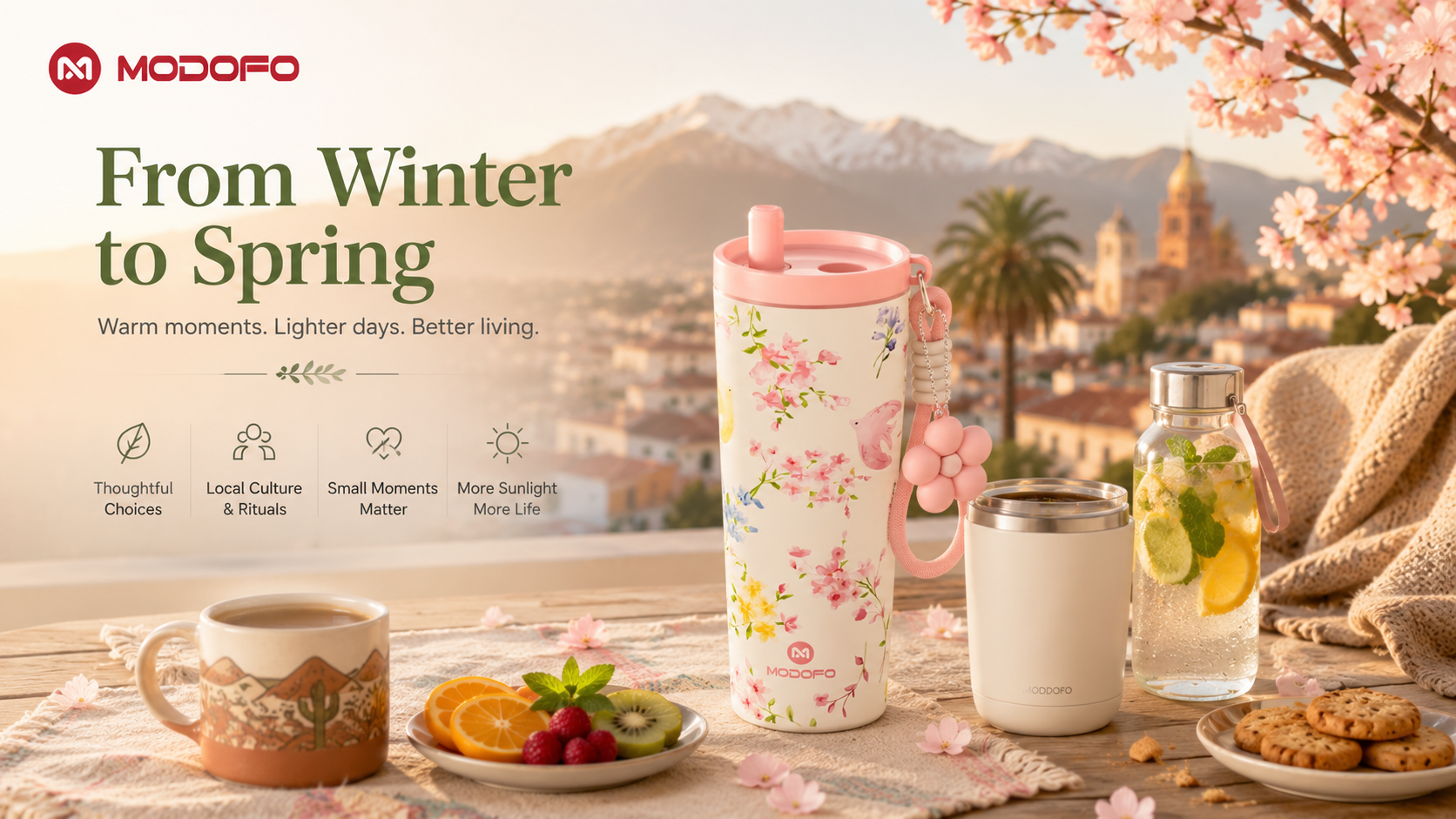
Comforting Beverages, Small Rituals, and Everyday Moments Across South America
Part 1 — Embracing the Slow Transition Between Seasons
Introduction: When the Season Changes Quietly
Not every seasonal change arrives with dramatic weather.
Sometimes it begins with a little more sunlight streaming through the kitchen window. Sometimes it's the feeling that your morning jacket isn't quite as necessary as it was a few weeks ago. Or perhaps it's simply the moment when your afternoon coffee starts giving way to herbal tea or fruit-infused water.
Across much of South America, August and early September mark a gentle transition. Winter hasn't completely disappeared, but spring is beginning to make itself known.
In cities like Buenos Aires, Montevideo, Santiago, and Porto Alegre, mornings often remain crisp while afternoons gradually become warmer and brighter. Parks begin to fill again, cafés place more tables outdoors, and weekend walks become a little longer.
These small environmental changes naturally influence our daily routines—including what we choose to drink.
The beverages we enjoy are rarely determined by temperature alone.
They reflect our energy, our schedules, our traditions, and even the pace at which we choose to live.
Rather than replacing one drink with another overnight, many people gradually adapt their habits.
A hot cup of coffee still feels comforting before sunrise.
Warm herbal tea becomes a companion during afternoon work.
A bottle of cool water becomes more inviting as outdoor activities return.
The transition between seasons is less about changing everything and more about rediscovering balance.
Why Seasonal Transitions Matter More Than We Think
Our bodies naturally respond to seasonal changes.
During winter, people often crave warmth, richer meals, and comforting drinks.
As daylight increases and temperatures slowly rise, those preferences often begin to shift.
Research on seasonal behavior suggests that changes in temperature, daylight exposure, and daily activity can influence hydration patterns, appetite, mood, and even how frequently we spend time outdoors.
This doesn't mean everyone experiences the same transition.
South America stretches across thousands of kilometers, covering tropical, subtropical, temperate, mountainous, and coastal climates.
Someone living in southern Chile experiences winter very differently from someone in northern Brazil.
Yet one common pattern appears almost everywhere:
As the days grow brighter, people naturally spend more time outside.
That simple change often encourages healthier habits without requiring dramatic lifestyle changes.
Walking instead of driving.
Meeting friends in a park instead of indoors.
Choosing fresh fruit over heavier desserts.
Carrying a reusable bottle on longer outings.
Small decisions gradually shape everyday well-being.
Warm Mornings Still Deserve Warm Drinks
Even as spring approaches, mornings across many parts of southern South America remain surprisingly cool.
For many households, beginning the day with a warm drink isn't simply about staying warm.
It's about creating a familiar rhythm before work, school, or daily responsibilities begin.
Coffee remains one of the region's favorite morning companions.
Its aroma, warmth, and comforting routine often matter just as much as the caffeine itself.
Others prefer traditional black tea or green tea, enjoying a quieter start to the day.
In Argentina, Uruguay, Paraguay, and southern Brazil, yerba mate continues to play an important role throughout the changing season.
More than just a beverage, mate represents conversation, hospitality, and shared moments.
Unlike hurried takeaway drinks, preparing mate encourages people to slow down—even if only for a few minutes.
Warm lemon water is another simple morning habit becoming increasingly popular among people seeking a lighter beginning to the day.
Whether enjoyed for hydration or simply as a refreshing ritual, it reflects a broader trend toward mindful living rather than strict wellness routines.
The common thread isn't the specific drink.
It's the habit of beginning the day intentionally.
As Afternoons Grow Warmer, Drinking Habits Naturally Change
By midday, the atmosphere often feels different.
Sunlight becomes stronger.
Outdoor cafés become busier.
Neighborhood parks begin filling with families, cyclists, and dog walkers.
With warmer afternoons comes a subtle shift in beverage choices.
Heavy winter drinks gradually give way to lighter options.
Many people naturally reach for:
-
Warm or room-temperature water
-
Light green tea
-
Citrus-infused water
-
Mint and cucumber water
-
Lightly brewed fruit teas
-
Sparkling water with slices of lemon or orange
These choices aren't necessarily healthier simply because they're lighter.
Instead, they often feel more appropriate for increasing outdoor activity and changing temperatures.
Hydration also becomes easier.
People who struggled to drink enough water during colder months frequently find themselves reaching for their bottles more often once the weather improves.
The season itself encourages the habit.
South America's Everyday Drink Culture
One of the most fascinating aspects of South American food culture is that beverages often carry stories as much as flavors.
Each country has traditions shaped by geography, history, and local ingredients.
Argentina and Uruguay
Mate remains deeply connected to everyday life.
Friends gather in parks.
Families share conversations.
Coworkers take breaks together.
The same gourd may pass from one person to another for hours.
It's less about the drink itself than the ritual surrounding it.
Southern Brazil
In Rio Grande do Sul, chimarrão—a regional style of yerba mate—continues to symbolize hospitality and community.
Even as temperatures rise, many locals continue drinking hot chimarrão throughout the year.
Paraguay
As warmer spring days approach, many people gradually transition toward tereré, the cold-brewed version of yerba mate prepared with chilled water or herbal infusions.
It reflects how traditions naturally evolve with the weather.
Chile
Coffee culture has grown steadily alongside long-standing traditions of tea drinking.
Urban cafés become popular gathering places as winter fades, encouraging slower afternoons and outdoor conversation.
Peru
Across different regions, herbal infusions made with local plants remain popular choices for relaxation and everyday enjoyment.
Chamomile, anise, lemongrass, and mint continue to appear in homes long after winter has passed.
Despite their differences, these traditions share one common characteristic.
Drinks create moments.
They slow conversations.
They accompany routines.
They bring people together.
The Return of Outdoor Living
One of the first signs that spring is approaching isn't always visible in the weather forecast.
It's visible in people's schedules.
Weekend farmers' markets become busier.
Cyclists return to riverside paths.
Families spend longer afternoons in city parks.
Students study beneath trees instead of indoors.
Friends choose outdoor cafés over enclosed restaurants.
These activities may seem ordinary.
Yet they subtly change what we carry with us.
A reusable bottle becomes part of a picnic.
A thermos accompanies a weekend drive into the countryside.
Fresh fruit water replaces another cup of hot chocolate.
Coffee is enjoyed while walking rather than sitting inside.
The changing season gently reshapes everyday routines without requiring major life changes.
Sometimes better habits begin simply because the weather invites us outside.
Everyday Comfort Doesn't End with Winter
There's a common misconception that comfort belongs exclusively to colder months.
In reality, comfort evolves.
Winter comfort often comes from blankets, warm drinks, and quiet evenings.
As spring approaches, comfort begins to look different.
Morning sunlight.
Fresh air.
Open windows.
Longer walks.
A favorite bottle filled before leaving home.
Reading beneath a tree.
Meeting friends outdoors.
The rituals remain.
Only the setting changes.
And perhaps that's the beauty of seasonal living.
Rather than abandoning winter habits, we gently adapt them to fit the season ahead.
Part 2 — Everyday Drinks, Seasonal Rituals, and a Slower Way of Living
Choosing Drinks That Match the Changing Season
As winter slowly gives way to spring, our beverage choices often become less about staying warm and more about maintaining comfort throughout a changing day.
Cool mornings still invite a warm drink.
Sunny afternoons encourage lighter refreshment.
Evenings call for something calming rather than stimulating.
Instead of completely changing what we drink, seasonal living is often about making small adjustments that feel natural.
Here are a few beverages that fit beautifully into this time of year.
Morning
- Freshly brewed coffee
- Black tea
- Yerba mate or chimarrão
- Warm lemon water
- Ginger and honey infusion
These drinks provide warmth while supporting a slow, intentional start to the day.
Midday
- Room-temperature water
- Green tea
- Sparkling water with citrus
- Light fruit-infused water
As outdoor temperatures rise, hydration becomes increasingly important without necessarily reaching for ice-cold drinks.
Afternoon
- Chamomile tea
- Mint tea
- Hibiscus infusion
- Passion fruit tea
- Rooibos tea
These lighter beverages complement quiet work sessions, reading, or conversations with friends.
Evening
- Lavender tea
- Warm milk with cinnamon
- Chamomile
- Caffeine-free herbal blends
Evening drinks become less about energy and more about creating a peaceful transition into rest.
Seasonal Ingredients That Bring Everyday Drinks to Life
One of the simplest ways to embrace seasonal living is to use ingredients that are naturally abundant during the changing months.
Across South America, markets gradually become brighter with fresh produce as spring approaches.
Simple additions can completely change an everyday drink.
Try combining:
- Fresh orange slices with warm water
- Lemon and mint
- Ginger with local honey
- Cinnamon sticks in black tea
- Passion fruit with sparkling water
- Fresh berries in herbal tea
- Rosemary and citrus
- Apple slices with cinnamon
- Chamomile with dried orange peel
None of these recipes are complicated.
They rely on fresh ingredients rather than processed flavors.
More importantly, they encourage people to slow down for a few minutes while preparing something enjoyable.
Sometimes the preparation itself becomes part of the ritual.
Drinking More Water Without Thinking About It
One interesting pattern observed by many health professionals is that hydration often improves naturally as temperatures become milder.
People walk more.
Exercise returns.
Weekend activities increase.
Simply spending more time outdoors encourages people to drink more frequently.
Rather than setting strict hydration goals, many people find success by making water easier to reach.
Keeping a reusable bottle nearby at work.
Refilling it before leaving home.
Bringing it on neighborhood walks.
Placing it beside a book instead of a phone.
These tiny environmental changes often influence behavior more effectively than relying on reminders alone.
Hydration becomes part of daily life instead of another task on a checklist.
A Bottle That Fits the Season
Interestingly, seasonal transitions also change how we use our drinkware.
During the coldest months, many people prioritize maximum heat retention.
As spring approaches, versatility becomes more valuable.
A bottle may hold hot coffee during the morning commute, room-temperature water in the afternoon, and herbal tea during an evening walk.
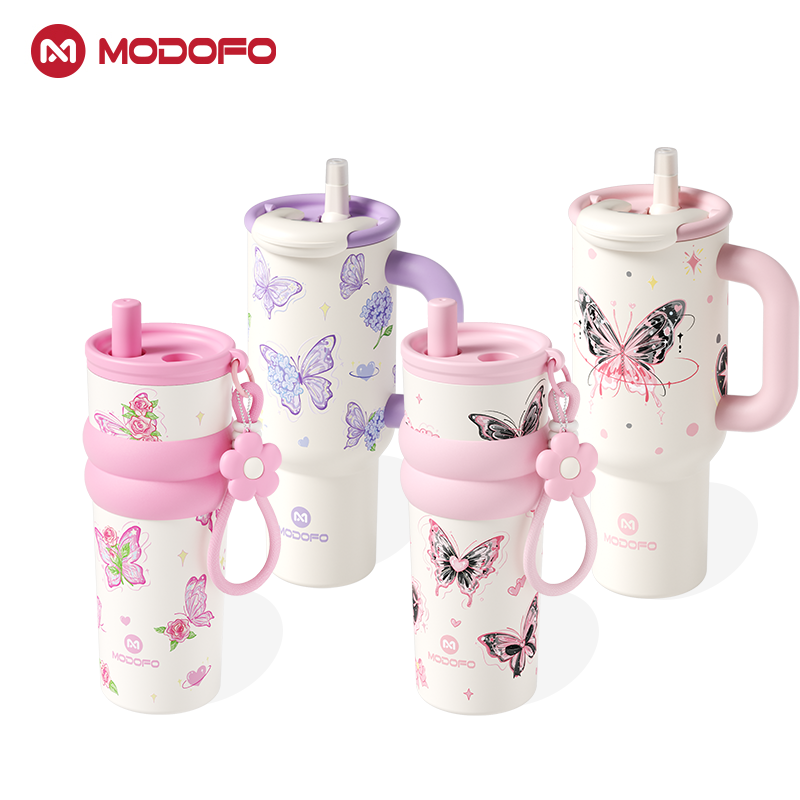
This flexibility is one reason insulated reusable bottles have become everyday companions rather than purely seasonal products.
When choosing drinkware for this time of year, consider features that support changing routines:
- Reliable insulation for both hot and cool beverages
- Leak-resistant lids for commuting or travel
- Comfortable grip during outdoor activities
- Wide-mouth openings that make cleaning easier
- Durable stainless steel interiors that resist flavor retention
- Easy-to-carry designs suitable for work, parks, and weekend trips
The best bottle isn't necessarily the one with the longest feature list.
It's the one that quietly fits into everyday life without requiring extra effort.
Small Outdoor Rituals Worth Rediscovering
One of spring's greatest gifts isn't warmer weather.
It's the return of ordinary moments spent outdoors.
These moments rarely appear on travel itineraries, yet they often become the most memorable.
A weekend visit to a local farmers' market.
Reading beneath a tree after work.
Sharing mate in a neighborhood park.
Cycling along the waterfront.
Watching children play while enjoying a cup of tea.
Stopping for coffee during a morning walk.
Listening to birds instead of notifications.
None of these experiences require expensive equipment or careful planning.
What they require is simply making room for them.
A reusable bottle often becomes a quiet companion to these routines—not the focus, but part of the experience.
Building a Gentle Daily Rhythm
Modern wellness conversations often emphasize optimization.
Wake up earlier.
Exercise harder.
Drink more water.
Track every habit.
Yet seasonal living offers another perspective.
Instead of asking how much we can improve, it asks how comfortably we can live.
A gentle daily rhythm might look like this:
| Time | Everyday Ritual |
|---|---|
| Morning | Coffee or mate while planning the day |
| Mid-Morning | Refill a reusable bottle before work begins |
| Lunch | Fresh water with seasonal fruit |
| Afternoon | Herbal tea during a short break |
| Evening | Warm chamomile while reading or spending time with family |
None of these habits are dramatic.
Together, however, they create a routine that feels balanced rather than busy.
Living Well Doesn't Require More—Only Better Moments
Perhaps the biggest lesson of seasonal transitions is that happiness rarely arrives all at once.
It grows gradually.
A brighter morning.
Fresh flowers at the market.
A favorite café reopening its outdoor seating.
A reusable bottle filled before leaving home.
Lunch in the sunshine instead of under office lights.
An evening walk that lasts ten minutes longer than yesterday.
These experiences don't ask us to purchase an entirely new lifestyle.
They simply encourage us to notice what is already available.
Spring doesn't replace winter.
It gently expands the ways we experience everyday life.
Conclusion: Let the Season Change at Its Own Pace
Across South America, the journey from winter to spring rarely happens overnight.
Some mornings still begin with chilly air.
Some afternoons already feel warm enough for a walk in the park.
Nature doesn't rush the transition—and neither do people.
Perhaps that's why this season feels so refreshing.
It reminds us that meaningful change often begins quietly.
A lighter drink.
A longer conversation outdoors.
More daylight at the dinner table.
A reusable bottle that accompanies us through changing routines without demanding attention.
These aren't grand resolutions.
They're ordinary habits repeated with care.
And over time, those small habits become the moments we remember most.
As the seasons continue to change, perhaps the best routine isn't chasing perfection.
It's simply carrying a drink you enjoy, spending more time outside, and allowing everyday life to become just a little slower, lighter, and more intentional.
References
The ideas presented in this article are informed by publicly available guidance and research related to hydration, seasonal health, food culture, and lifestyle habits, including:
- World Health Organization (WHO). Healthy Hydration and Healthy Living resources.
- Pan American Health Organization (PAHO). Public health guidance for communities across the Americas.
- Harvard T.H. Chan School of Public Health. Nutrition and hydration recommendations.
- National Sleep Foundation. Research on seasonal daylight and daily routines.
- American Psychological Association (APA). Studies on daily habits, routines, and well-being.
- International Journal of Environmental Research and Public Health. Research on hydration behaviors, outdoor activity, and lifestyle.
- UNESCO. Cultural information on traditional Yerba Mate practices and regional food heritage.
- Government tourism and cultural resources from Argentina, Uruguay, Brazil, Chile, and Paraguay regarding local beverage traditions and seasonal customs.
Editor's Note: Beverage traditions and seasonal experiences vary across South America's diverse climates and regions. This article is intended as a lifestyle guide that encourages mindful hydration and everyday well-being rather than prescribing specific dietary or health recommendations.