
Pengenalan: Membeli-belah Itu Mudah—Memilih Yang Terbaik Tidak
Melangkah ke pusat membeli-belah terasa mudah. Semuanya dikurasi, diterangi dengan baik, dan direka untuk membimbing anda ke arah pembelian. Tetapi walaupun membeli sesuatu itu mudah, memilih perkara yang betul selalunya jauh lebih sukar.
Kebanyakan orang meninggalkan pusat membeli-belah dengan produk yang kelihatan bagus pada masa itu—tetapi tidak semestinya meningkatkan kehidupan harian mereka.
Mengapa?
Kerana persekitaran membeli-belah dibina untuk penemuan dan dorongan, bukan untuk membuat keputusan jangka panjang.
Cabaran sebenarnya bukan akses. Ia adalah pertimbangan.
Memilih produk harian yang lebih baik memerlukan perubahan—daripada bertindak balas kepada apa yang anda lihat, kepada menilai apa yang sebenarnya anda perlukan.
Artikel ini menjelaskan cara melakukan perkara tersebut: bagaimana untuk beralih daripada membeli-belah kasual kepada pemilihan yang disengajakan, supaya barangan yang anda beli bukan sahaja dimiliki—tetapi digunakan secara konsisten.
1. Mengapa Membeli-belah di Pusat Beli-belah Sering Kali Menyebabkan Keputusan Buruk
1.1 Terlalu Banyak Pilihan, Terlalu Sedikit Kejelasan
Pusat beli-belah moden menawarkan pelbagai variasi kategori yang sama:
- Berpuluh-puluh botol air
- Pelbagai jenis peralatan dapur
- Penyelesaian penyimpanan yang tidak terkira
Pada pandangan pertama, ini kelihatan seperti faedah. Pada hakikatnya, ia menimbulkan keletihan membuat keputusan.
Apabila pilihan meningkat, kejelasan berkurangan.
1.2 Reka Bentuk Visual Berbanding Penggunaan Praktikal
Ruang runcit dioptimumkan untuk penampilan:
- Paparan bersih
- Pembungkusan menarik
- Pencahayaan strategik
Elemen-elemen ini mempengaruhi persepsi. Produk yang kelihatan premium tidak semestinya berfungsi lebih baik dalam penggunaan harian.
1.3 Masalah Pembelian Impulsif
Pusat beli-belah menggalakkan keputusan emosi:
- Promosi masa terhad
- Suasana kedai
- Pemikiran “Ini mungkin berguna”
Hasilnya adalah biasa:
Anda membeli sesuatu yang kelihatan betul—tetapi jarang menggunakannya kemudian.
2. Ubah Pemikiran Anda: Daripada Membeli kepada Menilai
2.1 Berfikir Seperti Pengguna, Bukan Pembeli
Daripada bertanya:
- “Adakah ini bagus?”
- “Adakah ini popular?”
Tanya:
- “Adakah saya akan menggunakan ini secara kerap?”
Pergeseran mudah ini mengubah segalanya.
2.2 Tumpukan pada Kekerapan Penggunaan
Tidak semua produk memerlukan perhatian yang sama.
- Barang kekerapan tinggi (digunakan setiap hari) → memerlukan keputusan yang lebih baik
- Barang kekerapan rendah → impak lebih rendah
Produk yang digunakan 5–10 kali sehari memerlukan lebih banyak pertimbangan daripada yang digunakan sebulan sekali.
2.3 Tentukan Kes Penggunaan Sebenar Anda
Sebelum membeli, jelaskan:
- Di mana saya akan menggunakan ini?
- Berapa kerap?
- Dalam situasi apa?
Produk yang tidak sesuai dengan rutin sebenar anda akhirnya akan diabaikan—walau sebaik mana pun ia.
3. Rangka Kerja Teras: Cara Menilai Produk Harian
Untuk memilih yang lebih baik, anda memerlukan rangka kerja yang boleh diulang. Berikut adalah dimensi utama yang penting.
3.1 Fungsi Diutamakan
Mulakan dengan asas:
- Adakah produk ini menyelesaikan masalah sebenar?
- Adakah ia lebih baik daripada apa yang sudah saya miliki?
Jika jawapannya tidak jelas, produk itu tidak penting.
3.2 Kemudahan Penggunaan (Ujian Geseran)
Produk yang baik seharusnya terasa mudah.
Tanya diri anda:
- Bolehkah saya menggunakan ini dengan sebelah tangan?
- Adakah ia memerlukan langkah tambahan?
- Adakah interaksinya intuitif?
Alat harian terbaik adalah yang anda tidak perlu fikirkan.
3.3 Keselesaan dan Ergonomik
Terutamanya untuk item kegunaan harian:
- Bagaimana rasanya di tangan anda?
- Adakah saiznya sesuai?
- Adakah beratnya boleh diurus?
Keselesaan secara langsung mempengaruhi konsistensi penggunaan.
3.4 Ketahanan dan Bahan
Lihat di luar kesan pertama:
- Ia diperbuat daripada apa?
- Adakah ia akan bertahan lama?
- Adakah ia terasa kukuh atau rapuh?
Ketahanan menentukan sama ada produk menjadi sebahagian daripada rutin anda—atau diganti dengan cepat.
3.5 Penyelenggaraan dan Pembersihan
Sering terlepas pandang, tetapi kritikal:
- Adakah ia mudah dibersihkan?
- Adakah ia memerangkap kotoran atau bau?
- Adakah penyelenggaraan terasa seperti satu beban?
Jika produk sukar diselenggara, anda kurang cenderung untuk terus menggunakannya.
3.6 Kesesuaian Tingkah Laku (Faktor Paling Penting)
Di sinilah kebanyakan keputusan gagal.
Produk yang direka bentuk dengan baik sekalipun tidak akan berfungsi jika tidak sepadan dengan tabiat anda.
Tanya:
- Adakah ini sesuai dengan tingkah laku semula jadi saya?
- Adakah saya akan menggunakan ini tanpa memaksa diri?
Produk hanya berfungsi jika ia selaras dengan tingkah laku anda—bukan jika ia cuba mengubahnya.
4. Apa yang Sebenarnya Patut Anda Lakukan di Pusat Beli-belah
Mengetahui cara menilai adalah satu perkara. Mengaplikasikannya dalam persekitaran membeli-belah sebenar adalah perkara lain.
4.1 Berinteraksi dengan Produk
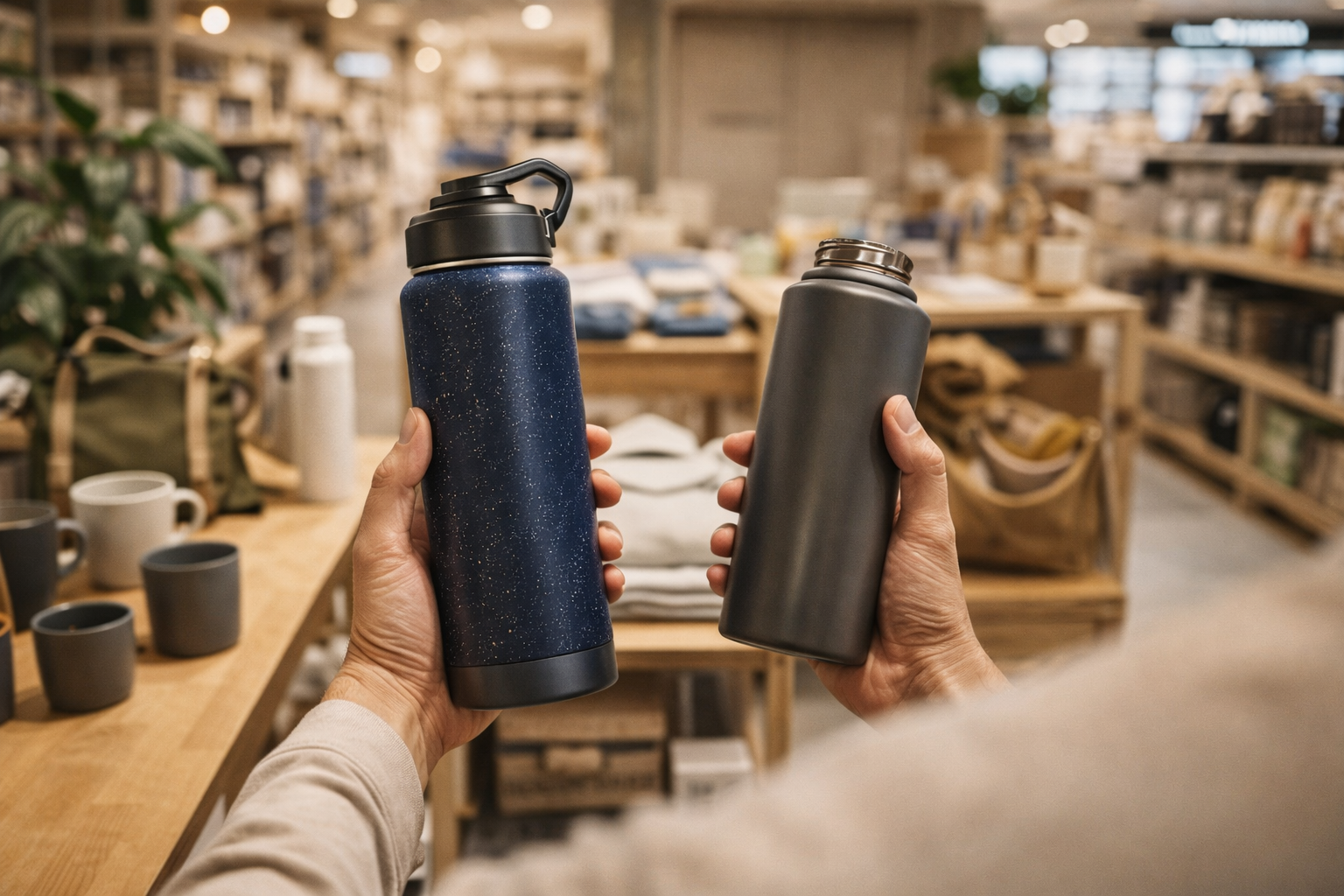
Jangan hanya melihat—gunakan ia.
- Buka ia
- Pegang ia
- Simulasikan penggunaan sebenar
Ini mendedahkan lebih banyak daripada mana-mana pembungkusan atau penerangan.
4.2 Bandingkan di Pelbagai Kedai
Elakkan membuat keputusan terlalu cepat.
- Lawati sekurang-kurangnya 2–3 kedai
- Bandingkan produk serupa
- Perhatikan perbezaan dalam kebolehgunaan
Kontras meningkatkan pertimbangan.
4.3 Ajukan Soalan Praktikal
Daripada soalan umum, tanya:
- Untuk apa ini paling baik digunakan?
- Bagaimana orang biasanya menggunakannya?
- Adakah terdapat isu biasa?
Fokus pada penggunaan dunia sebenar, bukan ciri-ciri.
4.4 Berundur Sebelum Membuat Keputusan
Salah satu taktik yang paling mudah tetapi paling berkesan:
- Tinggalkan kedai
- Tunggu 10–15 minit
Jika anda masih menginginkan produk tersebut, kemungkinan besar ia adalah keputusan yang lebih baik.
5. Kesalahan Biasa yang Dilakukan Orang di Pusat Beli-belah
- Memilih berdasarkan penampilan semata-mata
- Melebihkan nilai jenama
- Mengabaikan senario penggunaan sebenar
- Membeli untuk “kemungkinan masa depan”
Keputusan-keputusan ini didorong oleh imaginasi—bukan realiti.
6. Kajian Kes: Memilih Peralatan Minuman Yang Lebih Baik
Peralatan minuman adalah contoh sempurna bagaimana keputusan kecil memberi kesan kepada kehidupan harian.
6.1 Apa Yang Kebanyakan Orang Lihat
- Reka bentuk
- Saiz
- Harga
6.2 Apa Yang Sebenarnya Penting
- Betapa mudahnya untuk minum
- Sama ada ia menyokong penggunaan kerap
- Bagaimana ia sesuai dengan rutin harian anda
6.3 Reka Bentuk Membentuk Tingkah Laku
Perbezaan kecil memberi impak besar:
- Penyedut minuman menggalakkan tegukan kerap
- Bukaan lebar menggalakkan minum sesekali
- Penebat mempengaruhi pilihan suhu
Botol yang direka dengan baik bukan sahaja menyimpan air—ia menjadikan penghidratan lebih mudah.
Dari masa ke masa, ini mengubah kekerapan anda minum, tanpa memerlukan usaha.
7. Membeli-belah untuk Keluarga: Pendekatan Berbeza
Membeli-belah keluarga memperkenalkan pembolehubah baru.
7.1 Penggunaan Bersama
Produk mungkin digunakan oleh ramai orang:
- Kemudahan penggunaan menjadi lebih penting
- Kesederhanaan mengurangkan kekeliruan
7.2 Ketahanan Lebih Penting
Persekitaran keluarga menyebabkan lebih banyak kerosakan dan kehausan.
Bahan dan pembinaan yang lebih kukuh adalah penting.
7.3 Kepraktisan Berbanding Estetika
Dalam persekitaran keluarga, keutamaan beralih:
- Mudah dibersihkan
- Bahan selamat
- Penyimpanan yang cekap
Daya tarikan visual menjadi kedua.
8. Ekonomi Pilihan yang Lebih Baik
8.1 Kos Setiap Penggunaan
Produk yang digunakan setiap hari akan dengan cepat membenarkan kos permulaan yang lebih tinggi.
8.2 Mengelakkan Kitaran Penggantian
Produk yang lebih murah sering membawa kepada:
- Penggantian yang kerap
- Pembelanjaan berulang
- Ketidakselesaan yang berterusan
8.3 Beli Lebih Sedikit, Tetapi Lebih Baik
Sejumlah kecil barangan yang dipilih dengan baik selalunya mengatasi sejumlah besar barangan yang biasa-biasa sahaja.
9. Menjadikan Pembelian Sebagai Sistem
9.1 Rancang Sebelum Pergi
Tahu apa yang anda cari.
Elakkan melayari tanpa arah.
9.2 Berbelanja Dengan Niat
Buat keputusan berdasarkan:
- Keperluan
- Penggunaan
- Kesepadanan
Bukan berdasarkan emosi.
9.3 Bina Piawaian Anda Sendiri
Lama-kelamaan, bina kriteria anda sendiri:
- Apa yang paling penting bagi anda
- Apa yang anda elakkan
- Apa yang sentiasa berfungsi
Ini mengurangkan masa membuat keputusan di masa hadapan.
10. Pandangan Lebih Besar: Pilihan yang Lebih Baik Membina Rutin yang Lebih Baik
Setiap produk yang anda pilih mempengaruhi:
- Bagaimana anda bertindak
- Seberapa kerap anda bertindak
- Seberapa mudah anda bertindak
Lama-kelamaan:
- Tindakan menjadi kebiasaan
- Kebiasaan membentuk gaya hidup
Proses ini halus—tetapi berkuasa.
Kesimpulan: Pembelian yang Lebih Baik Adalah Kemahiran
Memilih produk yang lebih baik bukan tentang berbelanja lebih.
Ia adalah tentang berfikir secara berbeza.
- Menilai bukannya bertindak balas
- Mengutamakan penggunaan berbanding penampilan
- Menyelaraskan produk dengan tingkah laku
Pada akhirnya, kualiti kehidupan harian anda dibentuk bukan oleh apa yang anda beli sekali-sekala—tetapi oleh apa yang anda gunakan secara konsisten.
Pilihan yang lebih baik dalam detik-detik biasa—seperti membeli-belah di pusat membeli-belah—secara senyap-senyap menentukan bagaimana kehidupan anda terasa setiap hari.