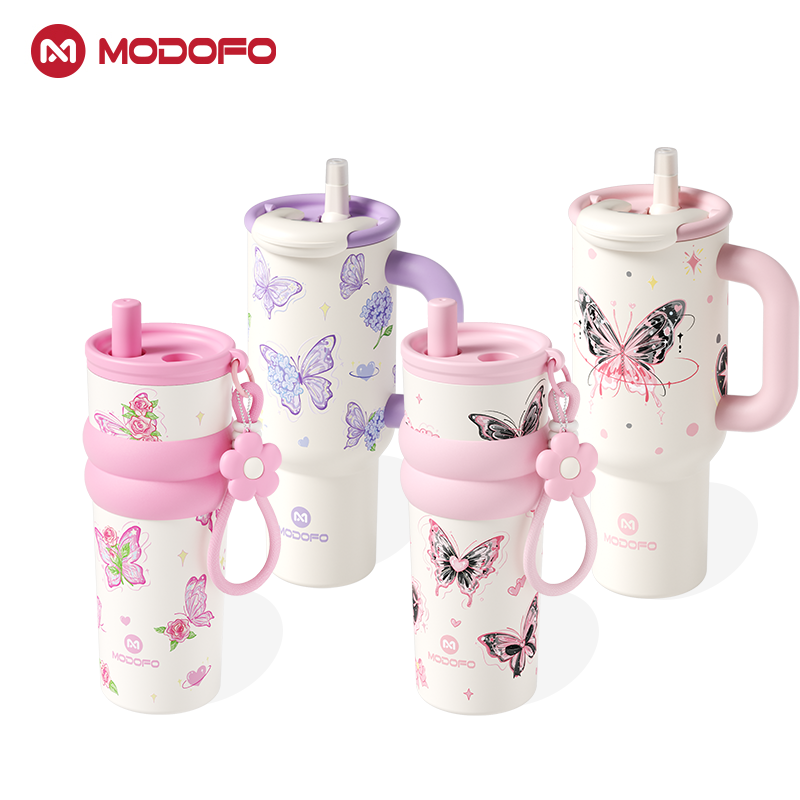


Dalam pasaran barangan minuman hari ini, pengguna jarang mencari nama produk teknikal. Mereka mencari penyelesaian. Salah satu istilah yang paling biasa berdasarkan penyelesaian ialah "cawan bertutup."
Pada pandangan pertama, ia kedengaran generik. Dalam praktiknya, ia mencerminkan jangkaan yang sangat spesifik: cawan yang boleh ditutup, dibawa, dipercayai, dan digunakan dalam pelbagai senario kehidupan sebenar.
Cawan bertutup bukan sekadar cawan dengan penutup. Ia adalah kategori produk yang dibentuk oleh mobiliti, kemudahan, kebersihan, dan tingkah laku pengguna. Dan semakin banyak, penutup, bukan badan cawan, yang menentukan nilai sebenar produk.
Apakah Itu Cawan Bertutup?
Sebuah cawan bertutup secara meluas merujuk kepada mana-mana cawan minuman yang direka dengan penutup atau tudung berfungsi, berbanding dengan cawan terbuka atau mug tradisional.
Tidak seperti klasifikasi teknikal seperti 'tumbler', botol, atau 'mug', "cawan bertutup" adalah istilah bahasa pengguna. Pengguna menggunakannya apabila mereka mahukan:
- Pencegahan tumpahan
- Mudah dibawa
- Kebersihan yang lebih baik
- Sokongan kawalan suhu
Dari perspektif tujuan carian, pengguna tidak bertanya jenis cawan apakah itu. Mereka bertanya sama ada ia sesuai dengan gaya hidup mereka.
Inilah sebabnya "cawan bertutup" sering muncul dalam carian berkaitan perjalanan ulang-alik, penggunaan pejabat, perjalanan kereta, kecergasan, dan persekitaran keluarga.
Mengapa Penutup Lebih Penting Daripada Badan Cawan
Dalam pembangunan produk, badan cawan menentukan nilai bahan.
Penutup menentukan nilai penggunaan.
Dua cawan boleh berkongsi badan keluli tahan karat yang sama, prestasi penebat yang sama, dan kapasiti yang sama—namun memberikan pengalaman pengguna yang sama sekali berbeza hanya berdasarkan reka bentuk penutup.
Daripada data maklum balas pengguna dan sebab-sebab pengembalian di seluruh industri barangan minuman, kebanyakan ketidakpuasan datang daripada:
- Tudung bocor
- Kesukaran membersih
- Struktur engsel rapuh
- Pengedap yang lemah selepas penggunaan berulang
Dengan kata lain, titik kegagalan jarang sekali pada cawan. Ia adalah pada penutup.
Jenis Utama Cawan Bertutup Mengikut Struktur Tudung
Cawan Tudung Skru
Tudung skru memberi tumpuan kepada prestasi pengedapan maksimum.
Ia bergantung pada penglibatan berulir dan gasket silikon untuk mencipta pengedap yang ketat.
Kekuatan
- Rintangan kebocoran tinggi
- Boleh dipercayai untuk beg dan beg galas
- Sesuai untuk cecair panas atau sejuk
Tukar Ganti
- Lebih perlahan untuk dibuka
- Kurang mudah untuk menghirup kerap
Kes penggunaan biasa
- Perjalanan harian
- Perjalanan dan penggunaan luar
- Alat minuman dipasang di kereta
Cawan penutup skru sering dipasangkan dengan badan keluli tahan karat dan diletakkan sebagai penyelesaian serba guna yang boleh dipercayai.
Cawan Penutup Flip dan Penutup Tekan
Penutup flip-top dan butang tekan direka bentuk berdasarkan kelajuan dan operasi satu tangan.
Kekuatan
- Akses pantas
- Lebih baik untuk penggunaan aktif
- Pengurangan gangguan semasa bekerja atau bergerak
Tukar Ganti
- Lebih banyak bahagian bergerak
- Risiko kegagalan jangka panjang yang lebih tinggi
- Pengedap sangat bergantung pada reka bentuk ketepatan
Penutup ini biasa terdapat dalam produk pejabat, kecergasan, dan penggunaan harian kasual di mana kemudahan mengatasi perlindungan kebocoran mutlak.
Cawan Penutup Straw
Penutup straw mengutamakan hidrasi berterusan, kurang usaha.
Daripada membuka dan menutup berulang kali, pengguna minum melalui straw tetap, yang mengubah kedua-dua tingkah laku dan jangkaan.
Kelebihan
- Sangat mudah
- Popular di kalangan pengguna jangka panjang
- Tarikan kuat dalam segmen gaya hidup dan estetika
Cabaran
- Kerumitan pembersihan
- Kebimbangan kebersihan
- Ketahanan straw dari masa ke masa
Cawan penutup straw sering dipilih bukan kerana ia yang paling selamat, tetapi kerana ia lebih sesuai dengan corak penggunaan tertentu berbanding alternatif lain.
Sistem Penutup Hibrid dan Modular
Kategori yang muncul ialah cawan penutup hibrid, di mana satu badan cawan menyokong pelbagai penutup yang boleh ditukar ganti.
Pendekatan ini menawarkan:
- Fleksibiliti senario
- Nilai tanggapan yang lebih tinggi
- Mengurangkan keperluan untuk cawan berganda
Dari perspektif komersial, sistem penutup modular:
- Meningkatkan jualan aksesori
- Memanjangkan kitaran hayat produk
- Meningkatkan pengekalan pelanggan
Ini adalah salah satu sebab jenama premium melabur banyak dalam ekosistem tudung berbanding hanya badan cawan.
Bagaimana Reka Bentuk Penutup Mencerminkan Keperluan Pengguna
Pengguna tidak menilai penutup secara terasing. Mereka menilainya dalam konteks.
Penutup yang sama boleh terasa "sempurna" atau "tidak boleh digunakan" bergantung pada:
- Di mana cawan digunakan
- Kekerapan ia dibuka
- Sama ada ia dibawa atau statik
Prioriti pengguna utama biasanya termasuk:
- Pencegahan kebocoran semasa bergerak
- Kemudahan pembersihan
- Keserasian dengan pemegang cawan
- Bunyi dan kelancaran semasa penggunaan
Cawan bertutup yang direka dengan baik menyelaraskan keutamaan ini dengan senario yang dimaksudkan dan bukannya cuba memenuhi semua kes penggunaan sekaligus.
Hubungan Antara Cawan Bertutup dan Bahan
Pilihan bahan meningkatkan kepentingan penutup.
Dengan cawan keluli tahan karat, terutamanya yang menggunakan keluli 304 atau 316, badan jarang menjadi titik lemah. Tudung menjadi 'bottleneck' sistem.
Isu-isu biasa termasuk:
- Tudung plastik merosot lebih cepat daripada badan keluli
- Pengedap silikon menua secara tidak sekata
- Pengembangan haba menjejaskan prestasi pengedap
Inilah sebabnya mengapa produk minuman berkualiti tinggi sering:
- Mengukuhkan struktur penutup
- Menggunakan gasket yang boleh diganti
- Menawarkan tudung ganti
Dalam kedudukan premium, penutup bukan lagi aksesori. Ia adalah komponen kritikal.
Cawan Bertutup Merentasi Gaya Hidup Berbeza
Penggunaan Pejabat dan Meja
Pengguna menghargai:
- Rintangan tumpahan
- Pembukaan senyap
- Menghirup dengan selesa
Penutup flip dan penutup profil rendah menunjukkan prestasi terbaik di sini.
Penggunaan Komuter dan Kereta
Prioriti beralih kepada:
- Operasi satu tangan
- Keserasian pemegang cawan
- Perlindungan kebocoran mutlak
Penutup skru dan reka bentuk hibrid mendominasi segmen ini.
Luar dan Perjalanan
Pengguna menuntut:
- Kesederhanaan struktur
- Rintangan impak
- Penyelenggaraan mudah
Penutup dengan sedikit bahagian bergerak cenderung berprestasi lebih baik.
Kegunaan Keluarga dan Rumah
Pertimbangan utama termasuk:
- Keselamatan
- Pembersihan mudah
- Ketahanan di bawah penggunaan kerap
Tudung straw dan tudung flip yang dipermudahkan adalah biasa, dengan syarat bahan memenuhi piawaian keselamatan.
Bagaimana Menilai Cawan Bertutup yang Baik
Dari sudut praktikal, cawan bertutup yang baik boleh dinilai melalui tiga dimensi teras:
Logik pengedap
Adakah pengedap bergantung pada tekanan, benang, atau penguncian mekanikal?
Laluan pembukaan
Adakah tudung terbuka secara intuitif tanpa sudut atau daya yang janggal?
Kerumitan pembersihan
Bolehkah penutup dibongkar sepenuhnya dan dipasang semula tanpa alat?
Ulasan pengguna sering mendedahkan lebih banyak tentang penutup daripada penerangan pemasaran. Sebutan berulang tentang kebocoran, bau, atau engsel yang patah adalah tanda amaran yang boleh dipercayai.
Trend Pasaran: Ke Mana Hala Tuju Cawan Bertutup
Kategori cawan bertutup sedang berkembang melangkaui fungsi asas.
Trend utama termasuk:
- Sistem penutup modular
- Struktur dalaman yang dipermudah
- Peningkatan fokus pada ketahanan jangka panjang
- Penutup sebagai pembeza jenama dan bukannya pemikiran kedua
Apabila pengguna menjadi lebih berpengalaman dengan barangan minuman, jangkaan meningkat. Cawan yang kelihatan baik tetapi gagal di tahap penutup akan cepat ditolak.
Pemikiran Akhir: Cawan Bertutup Bukan Sekadar "Cawan Dengan Tudung"
Dalam barangan minuman moden, badan cawan menentukan garis dasar.
Penutup menentukan sama ada produk itu berjaya.
Apabila gaya hidup menjadi lebih mudah alih dan senario penggunaan lebih terfragmentasi, cawan bertutup tidak lagi pilihan—ia adalah jangkaan lalai.