
Panduan Komprehensif untuk Prestasi, Kebersihan, dan Kesesuaian Kes Penggunaan
Memilih penutup botol air yang tepat bukan lagi keputusan remeh. Dalam pasaran di mana tabiat hidrasi bertembung dengan gaya hidup, jangkaan kesihatan, dan tuntutan prestasi, reka bentuk penutup semakin menentukan sama ada botol itu mudah, selamat, dan sejajar dengan keperluan penggunaan dunia sebenar. Antara sistem penutup utama, penutup straw, penutup muncung, dan penutup pusing mendominasi pilihan pengguna — setiap satu dibina untuk memenuhi tingkah laku minum dan persekitaran tertentu.
Bagi jenama, peruncit, dan pengguna, memahami perbezaan operasi antara jenis penutup ini adalah kritikal. Penutup mempengaruhi segala-galanya daripada risiko kebersihan dan prestasi kebocoran kepada pengalaman pengguna, ketahanan, dan juga ROI kitaran hayat produk. Artikel ini menyediakan pecahan strategik setiap seni bina penutup, disokong oleh analisis fungsi dan cadangan berasaskan senario untuk membimbing keputusan pembelian atau reka bentuk produk.
1. Memahami Peranan Fungsian Penutup Botol
Penutup botol air lebih daripada sekadar mekanisme penutup. Peranannya merangkumi beberapa dimensi operasi:
- Kebolehaksesan cecair (betapa cepat dan mudah pengguna boleh menghidrat)
- Pengurusan kebocoran dan tumpahan (terutama semasa pengangkutan)
- Perlindungan kebersihan (pendedahan kepada udara, sentuhan, dan bahan cemar luar)
- Prestasi haba (sama ada penebat terjejas)
- Ketahanan (ketahanan mekanikal di bawah penggunaan harian)
- Ergonomik pengguna (penggunaan satu tangan, kemudahan cengkaman, kesesuaian untuk kumpulan umur)
Kerana setiap jenis penutup direka bentuk berdasarkan keutamaan yang berbeza, memilih format yang betul memastikan kepuasan jangka panjang dan meminimumkan kekecewaan pelanggan atau pengembalian produk.
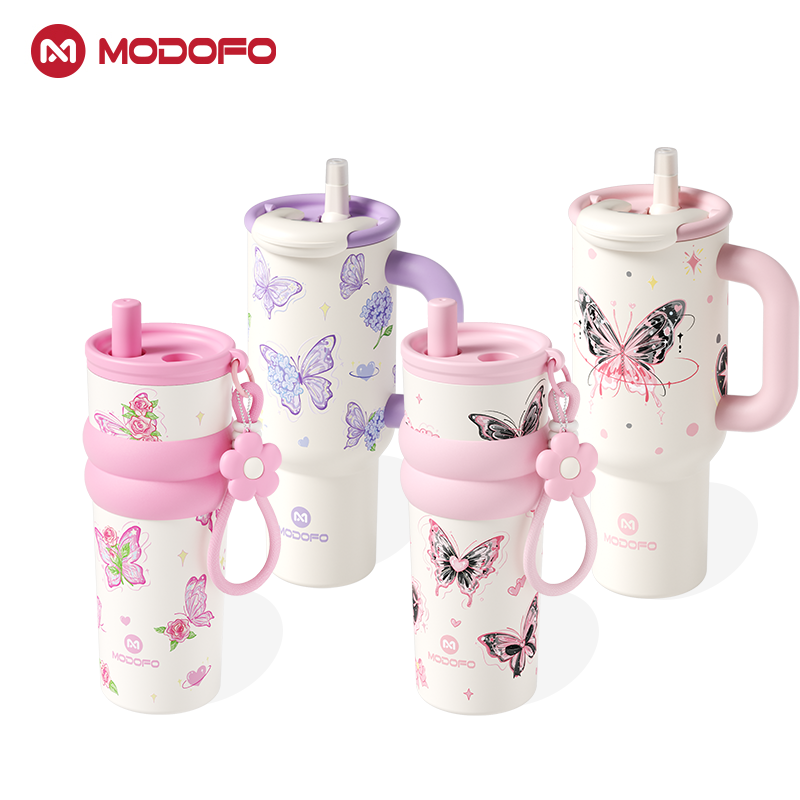
2. Penutup Straw: Hidrasi Berorientasikan Kemudahan
2.1 Cara Kerja Penutup Straw
Penutup straw menggabungkan straw silikon atau TPU dalaman yang menyalurkan cecair terus ke muncung atas. Pengguna minum dengan menghirup dari straw daripada mencondongkan botol.
2.2 Kekuatan
a. Hidrasi tanpa condong — sesuai untuk mobiliti
Ini adalah proposisi nilai utama. Pengguna boleh minum sambil berjalan, memandu, bersenam, atau melakukan pelbagai tugas. Kedudukan sentiasa tegak mengurangkan risiko tumpahan dan menyokong gaya hidup aktif.
b. Mesra kanak-kanak dan mesra kebolehaksesan
Reka bentuk "hirup-untuk-minum" yang intuitif sesuai untuk kanak-kanak, warga emas, atau pengguna dengan mobiliti pergelangan tangan yang terhad. Jenama dengan rangkaian botol kanak-kanak yang kuat sering bergantung pada penutup straw sebagai SKU utama.
c. Kadar aliran terkawal
Straw memberikan aliran sederhana, mengurangkan risiko tercekik dan memberikan pengalaman minum yang lebih lancar daripada penutup aliran tinggi.
d. Kurang risiko percikan air panas
Untuk minuman suam (walaupun banyak penutup straw tidak dinilai untuk haba tinggi), ketiadaan condong menghalang percikan tidak sengaja.
2.3 Batasan
a. Kerumitan kebersihan
Straw mengumpul sisa lebih cepat daripada sistem lain. Ia memerlukan pembersihan mendalam yang kerap, terutamanya dengan minuman manis.
b. Lebih banyak komponen = lebih banyak titik kegagalan
Injap gigit straw, pengedap silikon, dan bahagian engsel boleh merosot atau melengkung.
c. Tidak sesuai untuk minuman berkarbonat
Ruang straw dalaman memerangkap tekanan, meningkatkan risiko kebocoran atau tumpahan yang tidak kemas.
2.4 Kes Penggunaan yang Disyorkan
- Botol harian kanak-kanak
- Sesi kecergasan dalaman
- Hidrasi pejabat atau meja
- Memandu atau berulang-alik
- Pengguna yang lebih suka menghirup perlahan dan stabil
Jika kemudahan dan hidrasi kerap menjadi keutamaan, penutup straw memberikan kepuasan pengguna yang tinggi.
3. Penutup Muncung: Prestasi dan Serbaguna Aliran Pantas
3.1 Cara Kerja Penutup Muncung
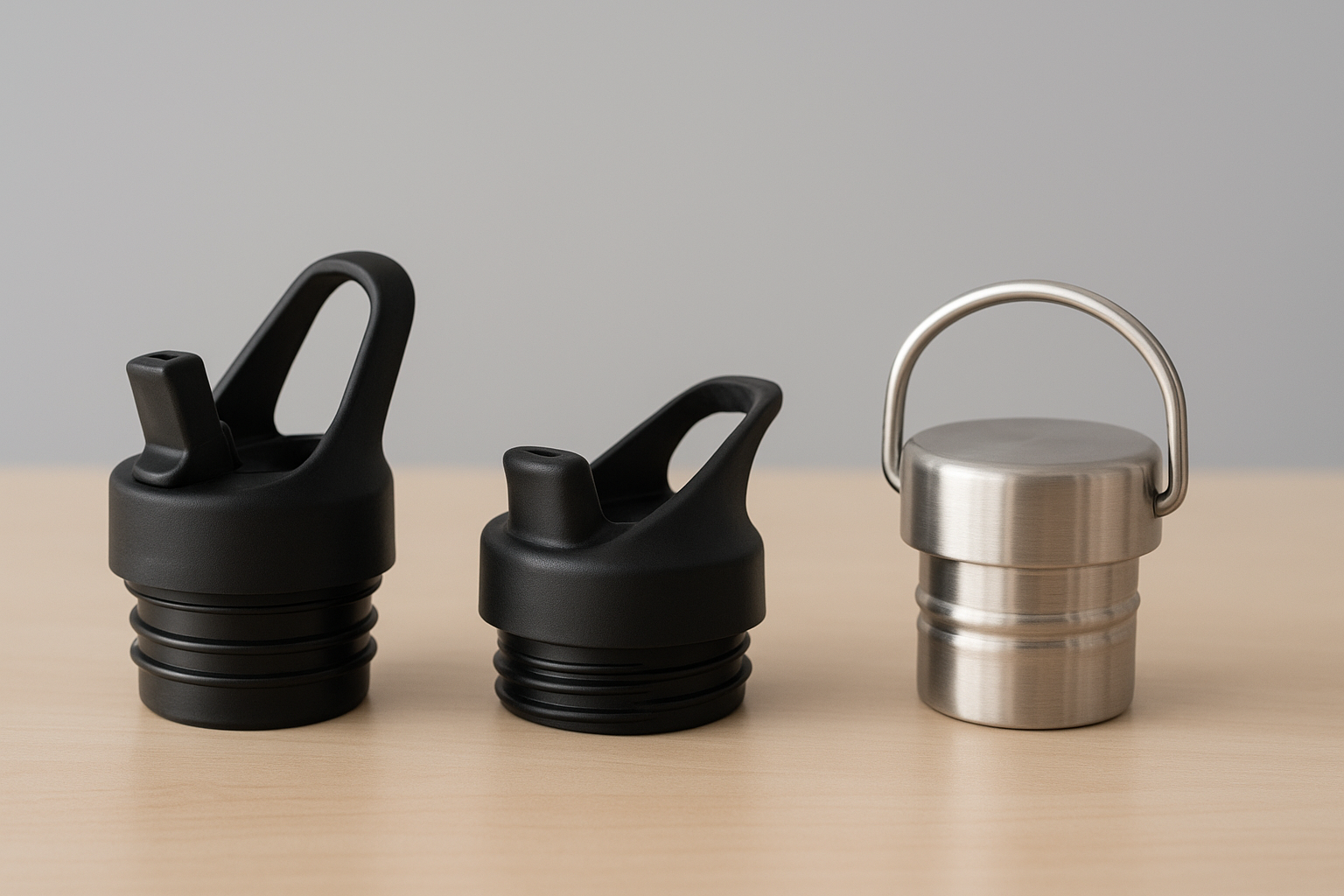
Penutup muncung menggunakan bukaan flip-top atau tolak-tarik untuk memberikan aliran air langsung dan pantas. Tidak seperti straw, pengguna perlu mencondongkan botol untuk minum.
3.2 Kekuatan
a. Kadar aliran lebih tinggi untuk hidrasi pantas
Penutup muncung sesuai untuk atlet, pendaki, atau pengguna yang memerlukan pengisian semula pantas selepas bersenam.
b. Pengurusan kebersihan yang lebih mudah
Dengan komponen dalaman yang lebih sedikit, penutup muncung lebih cepat dibersihkan. Ia mengelakkan ruang sempit yang mudah berjejak sisa yang terdapat dalam sistem straw.
c. Seni bina tahan lama
Ketiadaan injap lembut menjadikan penutup muncung lebih kukuh, terutamanya untuk kegunaan luar atau tugas berat.
d. Keserasian yang lebih baik dengan cecair panas atau suam
Kebanyakan penutup muncung mengendalikan variasi suhu lebih baik daripada pemasangan straw silikon.
3.3 Batasan
a. Memerlukan condong — kurang mudah alih semasa bergerak
Minum dari muncung memerlukan kedua-dua tangan atau condongan yang terkoordinasi, yang kurang sesuai untuk memandu atau melakukan pelbagai tugas.
b. Pendedahan muncung
Muncung flip, apabila dibuka, lebih terdedah kepada bahan cemar persekitaran (habuk, kotoran, peluh, dll.).
c. Tidak sepenuhnya kalis tumpah apabila dibuka
Jika muncung dibiarkan terbuka sebahagian, kebocoran berlaku lebih mudah berbanding dengan penutup pusing.
3.4 Kes Penggunaan yang Disyorkan
- Latihan gim
- Sukan intensiti tinggi
- Rekreasi luar
- Orang dewasa yang lebih suka hidrasi lebih cepat
- Pengguna yang hanya minum air (bukan smoothie atau minuman pekat)
Penutup muncung mengimbangi kelajuan, kebersihan, dan ketahanan — pilihan yang cekap dari segi operasi untuk pengguna aktif.
4. Penutup Pusing: Keselamatan Maksimum dan Kestabilan Termal
4.1 Cara Kerja Penutup Pusing
Penutup pusing bergantung pada sistem penutup berulir. Pengguna membuka penutup untuk mengakses bukaan mulut yang lebar. Seni bina ini menyediakan pengedap terkuat antara semua jenis penutup.
4.2 Kekuatan
a. Perlindungan kebocoran tertinggi — gred perjalanan
Penutup pusing memberikan pengedap yang paling selamat, menjadikannya sesuai untuk beg galas, bagasi, dan pengangkutan kasar.
b. Penahanan haba terbaik
Penutup berulir lebar meminimumkan pertukaran udara dan mengekalkan prestasi suhu dalam botol bertebat.
c. Pembersihan yang dipermudahkan
Tidak ada saluran atau injap tersembunyi. Struktur penutup tunggal menyelaraskan pembersihan dan pembasmian kuman.
d. Keserasian pelbagai guna
Penutup pusing berfungsi dengan baik dengan:
- Ketulan ais
- Infuser
- Cecair panas
- Kopi sejuk
- Sup atau minuman pekat
Akses mulut lebar menyokong pelbagai corak penggunaan.
4.3 Batasan
a. Operasi dua tangan
Memusing penutup buka dan tutup mengurangkan kemudahan, terutamanya untuk tegukan cepat atau hidrasi semasa bergerak.
b. Risiko tumpahan lebih tinggi semasa minum
Dengan bukaan lebar, pengguna mesti mencondongkan botol dengan ketara, meningkatkan risiko tumpahan jika mereka bergerak.
c. Tidak sesuai untuk kanak-kanak
Pengguna yang lebih muda mungkin sukar untuk membuka/menutup penutup pusing dengan selamat.
4.4 Kes Penggunaan yang Disyorkan
- Mendaki dan berkhemah
- Perjalanan jarak jauh
- Pengguna dengan keutamaan penahanan suhu yang kuat
- Kopi sejuk atau minuman berperisa
- Cecair panas
- Pengguna yang memerlukan pilihan kalis bocor yang paling selamat
Penutup pusing menawarkan kebolehpercayaan tertinggi di mana keselamatan dan prestasi pengedap paling penting.
5. Analisis Prestasi Perbandingan
5.1 Kemudahan
| Jenis Penutup | Tahap Kemudahan | Nota |
|---|---|---|
| Penutup Straw | ★★★★★ | Hidrasi satu tangan, tanpa condong |
| Penutup Muncung | ★★★★☆ | Akses cepat, tetapi memerlukan condong |
| Penutup Pusing | ★★☆☆☆ | Operasi dua tangan |
5.2 Kebersihan & Pembersihan
| Jenis Penutup | Kesukaran Kebersihan | Kerumitan |
|---|---|---|
| Penutup Straw | Tinggi | Pelbagai komponen, tiub sempit |
| Penutup Muncung | Sederhana | Mudah dibilas |
| Penutup Pusing | Rendah | Pembinaan ringkas |
5.3 Pengurusan Kebocoran & Tumpahan
| Jenis Penutup | Rintangan Kebocoran | Nota |
|---|---|---|
| Penutup Straw | Sederhana | Injap boleh gagal jika rosak |
| Penutup Muncung | Sederhana-Tinggi | Baik apabila ditutup rapat |
| Penutup Pusing | ★★★★★ | Pengedap paling selamat |
5.4 Ketahanan
| Jenis Penutup | Ketahanan Dijangka | Faktor Risiko |
|---|---|---|
| Penutup Straw | Sederhana | Kehausan silikon, kerosakan injap |
| Penutup Muncung | Tinggi | Struktur kukuh |
| Penutup Pusing | Sangat Tinggi | Bahagian bergerak yang minimum |
5.5 Kadar Aliran
| Jenis Penutup | Aliran | Gaya Hidrasi |
|---|---|---|
| Penutup Straw | Rendah–Sederhana | Menghirup perlahan |
| Penutup Corong | Sederhana–Tinggi | Hidrasi cepat |
| Penutup Pusing | Berubah-ubah | Minum teguk lebar |
6. Pemetaan Kes Penggunaan: Penutup Mana Yang Perlu Anda Pilih?
Memilih penutup yang betul akhirnya adalah soal menyelaraskan jangkaan dunia sebenar dengan seni bina produk.
6.1 Untuk Kegunaan Pejabat atau Rumah Harian
Terbaik: Penutup Jerami
Keselesaan dan aliran terkawal sejajar dengan tabiat hidrasi sedentari.
6.2 Untuk Sukan dan Kecergasan
Terbaik: Penutup Corong
Kadar aliran yang kuat sepadan dengan keperluan pengambilan pantas.
6.3 Untuk Kanak-kanak
Terbaik: Penutup Jerami
Selamat, tahan tumpahan, dan mudah untuk pengguna muda.
6.4 Untuk Mendaki Luar atau Melancong
Terbaik: Penutup Pusing
Prestasi kalis bocor yang unggul melindungi beg galas dan peralatan.
6.5 Untuk Minuman Panas
Terbaik: Penutup Pusing
Memastikan keselamatan dan mengurangkan tumpahan tidak sengaja.
6.6 Untuk Berulang-alik atau Memandu
Terbaik: Penutup Jerami
Minum tanpa condong meminimumkan gangguan.
7. Keserasian dan Keselamatan Bahan
Prestasi penutup dipengaruhi oleh bahan mentah seperti:
- Tritan™ (bebas BPA, tahan impak)
- PP (Polipropilena) (tahan panas, selamat makanan)
- Silikon (injap, pengedap)
- Keluli tahan karat + salutan serbuk (untuk model bertebat)
Pemeriksaan pematuhan utama biasanya termasuk:
- Piawaian sentuhan makanan FDA
- LFGB atau EU 1935/2004 untuk pasaran Eropah
- Pensijilan bebas BPA dan bebas phthalate
- Penarafan ketahanan tekanan untuk botol bertebat
Penutup berprestasi tinggi mesti sepadan dengan bahan badan botol dan jenis minuman yang dimaksudkan.
8. Trend Pasaran: Arah Inovasi Penutup
Segmen penutup botol menyaksikan inovasi yang dipercepatkan dipengaruhi oleh perubahan tingkah laku pengguna:
8.1 Himpunan pelbagai penutup
Jenama premium kini menawarkan botol yang dibungkus dengan penutup yang boleh ditukar ganti, meningkatkan fleksibiliti SKU dan penggunaan silang.
8.2 Peningkatan reka bentuk kebersihan
Permintaan untuk pembersihan yang lebih mudah mendorong geometri dalaman yang lebih ringkas dan bahagian silikon yang boleh ditanggalkan.
8.3 Sistem tangan tunggal dan pengedap automatik
Penutup yang dicetuskan oleh gerakan atau bantuan vakum semakin mendapat daya tarikan dalam segmen komuter dan kecergasan.
8.4 Keperluan kemampanan
Penutup semakin direka bentuk untuk boleh dikitar semula, pembaikan modular, dan mengurangkan sisa plastik.
9. Cadangan Strategik: Penutup Mana Yang “Terbaik”?
Tiada "penutup terbaik" yang universal. Pilihan yang betul bergantung pada senario. Walau bagaimanapun, berdasarkan metrik prestasi:
- Untuk kemudahan maksimum: Penutup Jerami
- Untuk hidrasi berorientasikan prestasi: Penutup Corong
- Untuk keselamatan pengedap dan pengekalan suhu: Penutup Pusing
Jika sesebuah jenama perlu mengutamakan satu SKU untuk penggunaan meluas, penutup corong memberikan prestasi yang paling seimbang merentasi aliran, ketahanan, dan demografi pengguna.
10. Pemikiran Akhir
Penutup adalah jantung operasi pengalaman botol air. Memilih yang betul mempengaruhi kebersihan, ketahanan, kecekapan hidrasi, dan kepuasan pelanggan. Sama ada anda seorang pengguna yang memilih botol seterusnya, peruncit yang mengoptimumkan pelbagai jenis, atau jenama yang mereka bentuk alat minum baharu, menyelaraskan seni bina penutup dengan kes penggunaan dunia sebenar menghasilkan prestasi produk yang lebih baik dan kadar penggunaan yang lebih tinggi.
Dengan memahami kekuatan dan pertukaran penutup jerami, penutup corong, dan penutup pusing, pembuat keputusan boleh membina kit alat hidrasi yang memberikan kecemerlangan fungsi dan perkaitan pasaran.