
Understanding the Hidden Relationship Between Heat, Humidity, Hydration, Sleep, and Everyday Energy
There are days when the weather feels heavy before the day has even properly started.
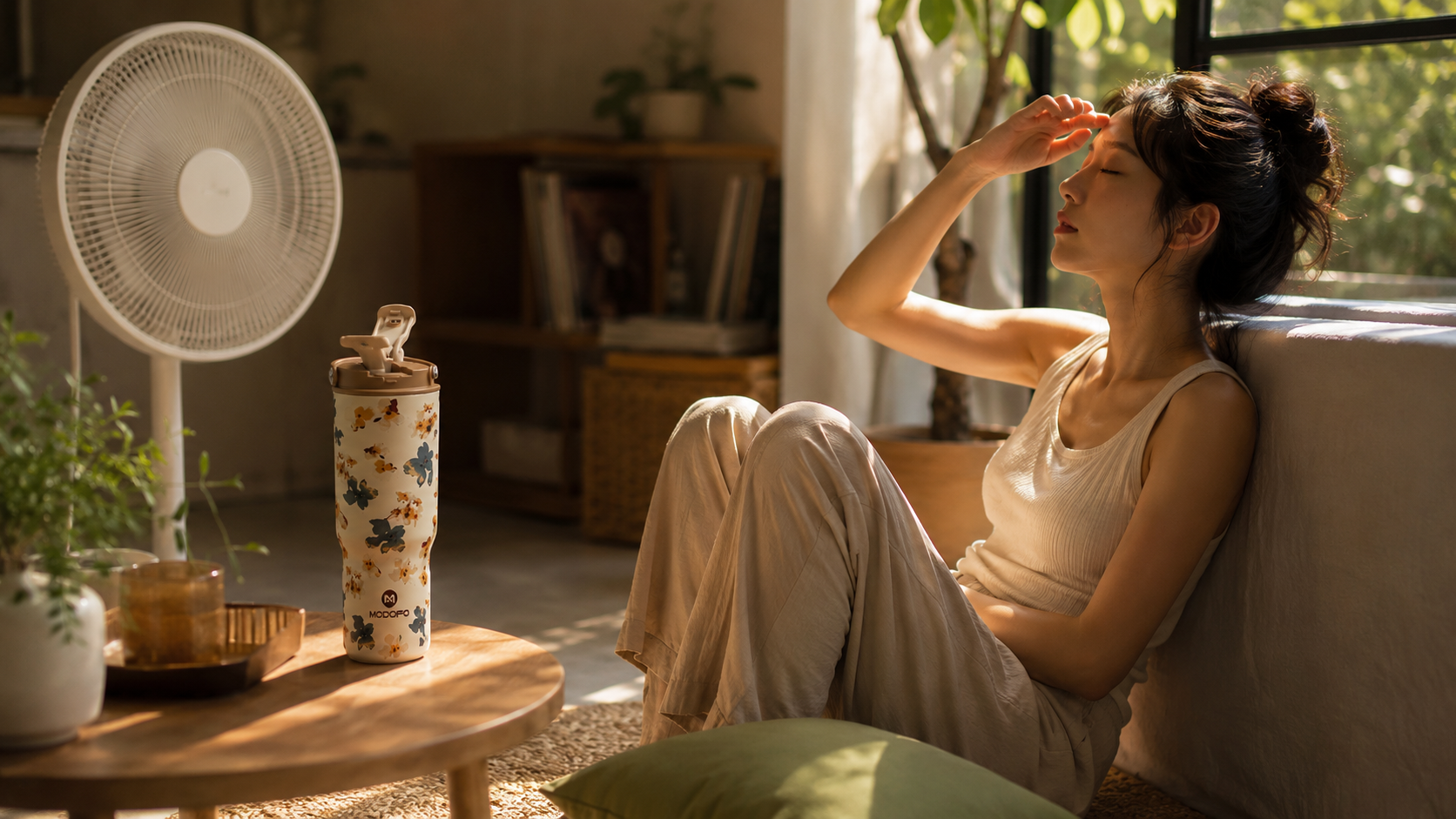
You wake up feeling tired despite sleeping for enough hours. Walking outside for only a few minutes already feels exhausting. By afternoon, concentration drops, motivation disappears, and even simple tasks begin feeling slower than usual.
In many tropical countries like Malaysia, Indonesia, Singapore, Thailand, and the Philippines, this feeling is incredibly common.
And yet, many people underestimate how much hot weather actually affects the human body.
Most people think heat only causes discomfort.
But in reality, hot weather quietly affects:
- physical energy
- hydration
- sleep quality
- mental clarity
- emotional stability
- productivity
- recovery
- lifestyle habits
In modern urban environments where people already face stress, long working hours, heavy screen exposure, poor sleep, and irregular routines, hot weather adds another layer of invisible fatigue.
The body is constantly adapting.
And over time, that adaptation consumes energy in ways most people never notice directly.
Why Heat Drains Energy Faster Than People Realize
The human body works continuously to maintain a stable internal temperature.
This process is called thermoregulation.
Under normal conditions, the body naturally balances heat production and heat release. But when external temperatures become too high, the body must work much harder to stay cool.
This activates several systems at once:
- sweating increases
- blood circulation changes
- heart rate rises
- fluid loss accelerates
- breathing may become heavier
All of these responses require energy.
This is why hot weather often creates fatigue even without intense physical activity.
Simple actions such as:
- commuting
- shopping
- cleaning the house
- walking outdoors
- standing in crowded places
can suddenly feel far more exhausting during hot days.
The body is already under physical stress before additional work or activity even begins.
Why Humid Weather Feels Even More Exhausting
Humidity makes the situation significantly worse.
Sweating is one of the body’s primary cooling systems. Sweat evaporates from the skin and removes heat.
But in humid environments, the air already contains high levels of moisture.
This slows evaporation.
As a result:
- the body retains more heat
- cooling becomes less efficient
- sweating increases further
- fatigue appears faster
This is why tropical climates often feel far more draining than dry heat.
A humid 32°C day may feel much more exhausting than a dry 38°C environment.
The body simply struggles to release heat effectively.
The Hidden Energy Cost of Staying Cool
One of the most overlooked realities of hot weather is that the body spends enormous energy simply trying to remain functional.
Even when someone appears inactive, the body may still be:
- increasing circulation
- regulating temperature
- managing hydration balance
- adapting to environmental stress
This creates what many people experience as “invisible fatigue.”
It feels like:
- low motivation
- mental heaviness
- slower thinking
- reduced focus
- emotional irritability
- physical laziness
But often, this is not laziness at all.
The body is simply overloaded by environmental conditions.
Why Heat Affects the Brain and Mental Focus
Temperature affects cognitive performance more than most people expect.
The brain is highly sensitive to thermal stress.
When body temperature rises, the brain begins prioritizing survival and regulation functions instead of optimal cognitive performance.
This can lead to:
- difficulty concentrating
- slower reaction speed
- reduced productivity
- forgetfulness
- irritability
- mental fatigue
Many people describe this feeling as “brain fog.”
This becomes especially noticeable during afternoons in hot climates.
Even office workers who spend most of their time indoors may still experience heat-related mental fatigue because of:
- poor hydration
- commuting stress
- inconsistent indoor temperatures
- poor airflow
- long screen exposure
The combination becomes exhausting over time.
Why Hot Weather Often Makes People Feel Emotionally Drained
Hot weather does not only affect physical performance.
It also affects emotional regulation.
People living in hot climates often experience:
- shorter patience
- irritability
- mood fluctuations
- emotional exhaustion
- reduced motivation
This is partly caused by physical discomfort.
But it is also connected to sleep quality, dehydration, and nervous system stress.
When the body continuously works harder to maintain balance, emotional energy becomes lower as well.
This is why extremely hot days often make people feel mentally “overwhelmed” more quickly.
Why Sleep Becomes Worse During Hot Weather
One of the biggest hidden reasons people feel exhausted during summer is poor sleep quality.
The body naturally lowers its core temperature before deep sleep.
But hot environments interfere with this cooling process.
As a result, many people experience:
- difficulty falling asleep
- shallow sleep
- waking up during the night
- sweating while sleeping
- waking up tired despite enough sleep hours
This creates long-term fatigue accumulation.
Even if someone sleeps for seven or eight hours, poor sleep quality reduces recovery efficiency.
In tropical climates, nighttime comfort becomes extremely important for maintaining daily energy.
Modern Urban Life Makes Heat Fatigue Worse
Today’s lifestyles often intensify heat-related exhaustion.
Modern city life includes:
- traffic
- crowded public transport
- air-conditioned offices
- long sitting hours
- excessive screen exposure
- reduced physical movement
- irregular sleep schedules
Many people constantly move between:
- hot outdoor temperatures
- cold indoor air conditioning
This repeated temperature adjustment places additional stress on the body.
Long working hours also reduce awareness of hydration.
People often become mildly dehydrated without realizing it.
Why Mild Dehydration Is More Serious Than Most People Think
Many people only drink water after feeling thirsty.
But thirst is already a delayed signal.
In hot weather, the body continuously loses water through sweat, breathing, and heat regulation.
Even mild dehydration can affect:
- focus
- mood
- memory
- physical stamina
- reaction speed
- mental clarity
This is especially common in tropical countries where people sweat throughout the day without always noticing it.
Many people assume fatigue comes from work stress alone when dehydration is also contributing heavily.
Why Hydration Habits Matter More in Hot Climates
In hot weather, hydration becomes part of energy management.
People who hydrate consistently often experience:
- better concentration
- more stable mood
- improved endurance
- reduced headaches
- better recovery
But hydration is not only about drinking more water.
It is also about making hydration easier and more natural throughout the day.
This is one reason modern drinkware has become closely connected to lifestyle and wellness culture.
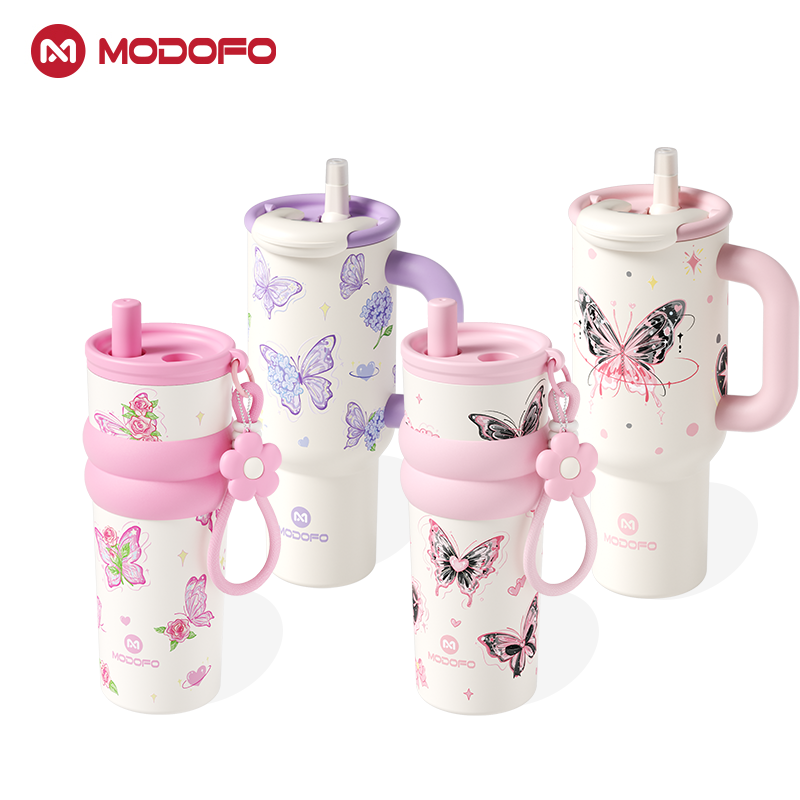
Large-capacity insulated bottles, straw tumblers, and portable cups help people maintain better hydration habits without constantly thinking about it.
Cold drinks remain refreshing longer.
Water becomes more accessible during work, commuting, exercise, or rest.
And small conveniences often improve consistency significantly.
At MODOFO, this idea aligns closely with modern tropical living.
Drinkware is no longer simply a container.
It becomes part of daily comfort, routine, and wellbeing.
Why People Crave Comfort More During Hot Weather
Hot climates naturally increase the desire for comfort-focused living.
After long days of physical heat exposure, people increasingly seek:
- cooler environments
- softer lighting
- relaxing routines
- refreshing drinks
- comfortable homes
- calming evening habits
This explains why “slow living” and cozy lifestyle trends continue growing across Southeast Asia.
People are learning that recovery matters.
Not every problem can be solved through pushing harder.
Sometimes energy improves through creating environments that help the body relax.
Why Simple Daily Rituals Matter
Small habits often make a surprisingly large difference during hot weather.
For example:
Drinking Cold Water Regularly
Helps reduce overheating and maintain hydration.
Using Insulated Bottles
Keeps beverages cool longer in tropical climates.
Taking Short Recovery Breaks
Even brief pauses help reduce mental fatigue.
Reducing Excessive Sugar Intake
Sugary drinks often create temporary energy spikes followed by crashes.
Improving Evening Routines
Warm tea, lower lighting, and reduced screen exposure help improve sleep quality.
Creating Better Airflow at Home
Fans, ventilation, and cooler environments support recovery.
Why Many People Feel Better After Slowing Down
Modern culture often encourages nonstop productivity.
But the body has limits.
Especially in hot environments.
Many people eventually realize that managing energy matters more than constantly maximizing output.
This is why concepts like:
- balance
- recovery
- emotional wellness
- intentional living
- slow evenings
- home comfort
have become increasingly important.
People are not becoming less productive.
They are becoming more aware of sustainability.
Best Types of Drinks for Hot Weather
Different beverages affect the body differently during hot conditions.
Water
The most important foundation for hydration.
Cold Water
Provides quick cooling and refreshing relief.
Warm Water
Often supports smoother and more consistent hydration.
Tea
Helps create calming recovery routines.
Electrolyte Drinks
Helpful after heavy sweating or outdoor activity.
Coffee
Can improve alertness temporarily, but excessive intake may increase dehydration for some people.
Sugary Drinks
Often create unstable energy levels and may worsen fatigue later.
How to Maintain Better Energy During Hot Weather
Improving energy in hot climates usually comes from small consistent habits rather than extreme solutions.
Some of the most effective strategies include:
Maintain Consistent Hydration
Drink throughout the day instead of waiting until thirst appears.
Improve Sleep Quality
Cooler environments and stable nighttime routines improve recovery.
Avoid Long Exposure to Extreme Heat
Especially during peak afternoon hours.
Reduce Excessive Sugar Consumption
Stabilizing energy matters more than temporary stimulation.
Create Recovery-Focused Routines
Tea, music, quiet evenings, and comfortable spaces support nervous system recovery.
Build a Comfortable Home Environment
Small details like lighting, airflow, hydration stations, and calming spaces improve daily wellbeing significantly.
Why Understanding Your Environment Matters
Many people blame themselves for feeling tired.
But environment plays a major role in human performance.
Heat, humidity, sleep quality, hydration, and modern lifestyle stress constantly interact with each other.
Understanding these relationships changes how people approach wellbeing.
Sometimes better energy does not come from working harder.
Sometimes it comes from learning how to live more intelligently within the climate and lifestyle conditions around us.
Final Thoughts
Hot weather affects far more than comfort.
It quietly shapes:
- energy
- mood
- focus
- sleep
- hydration
- emotional wellbeing
- daily routines
In modern tropical cities, these effects become even stronger because life already moves quickly and demands constant attention.
This is why small lifestyle improvements matter.
Better hydration.
Better sleep.
Slower evenings.
More comfortable living environments.
Healthier routines.
These habits may seem simple, but over time they can dramatically change how daily life feels.
Sometimes, maintaining energy is not about doing more.
It is about understanding what the body needs in the environment we live in every day.