
How Tropical Climates Quietly Affect Energy, Sleep, Mood, and Everyday Living
Hot weather is often associated with discomfort.
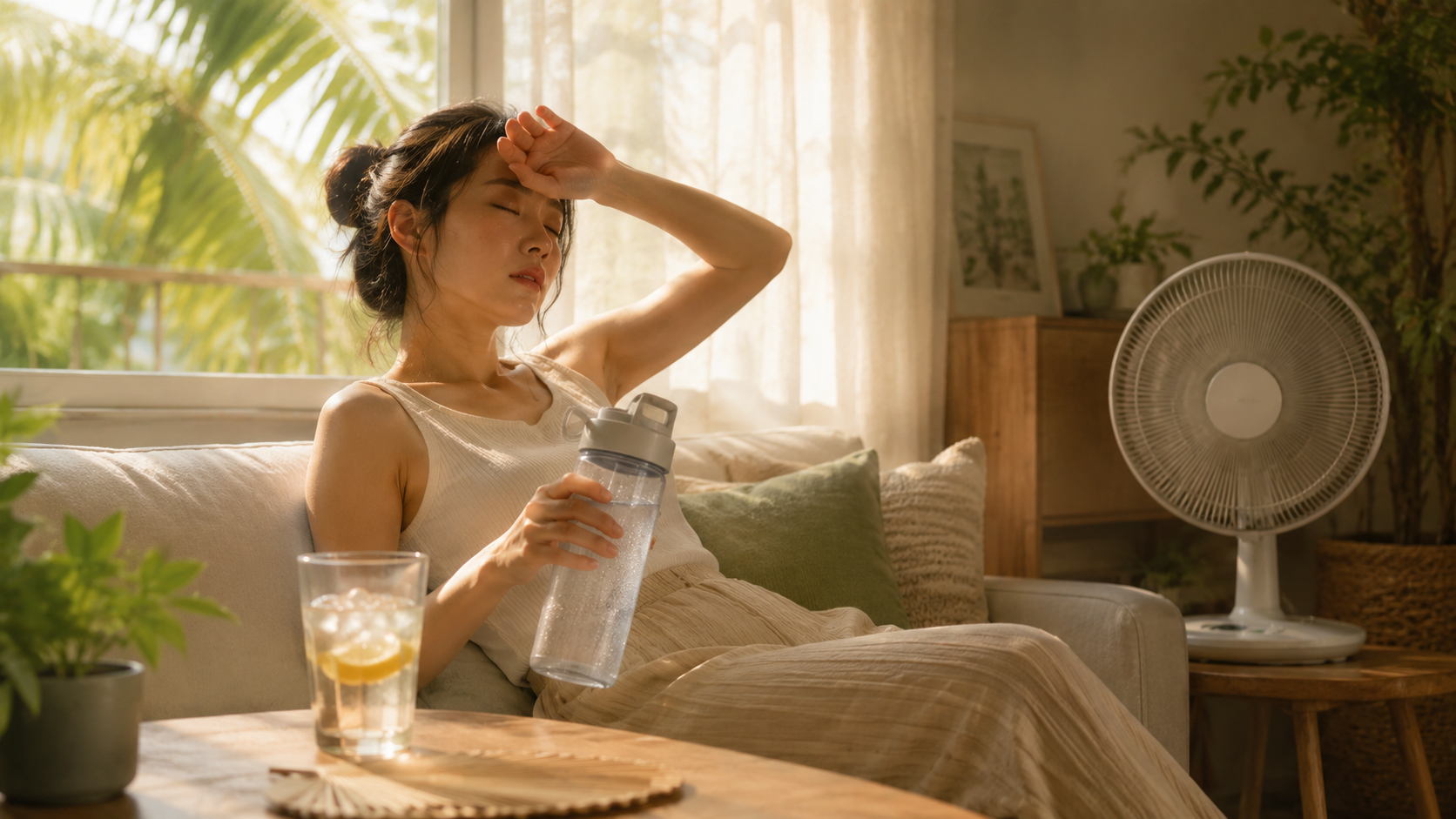
People complain about sweating, feeling sticky, becoming tired during the afternoon, or struggling to sleep at night. In tropical countries like Malaysia, Indonesia, Singapore, Thailand, and the Philippines, these experiences are part of everyday life.
But many people underestimate how deeply humid weather affects the body and mind.
Humidity does not only influence physical comfort. It can quietly shape:
- energy levels
- focus
- mood
- hydration
- sleep quality
- productivity
- emotional wellbeing
- daily lifestyle habits
In modern cities where people already deal with busy schedules, long screen time, traffic, stress, and irregular routines, humid climates can place even more pressure on the body.
This is one reason why many people living in tropical environments often feel exhausted even when they have not done intense physical activity.
The body is constantly working harder in the background.
And over time, that invisible energy consumption begins affecting everyday life.
Why Humid Weather Feels More Exhausting Than Dry Heat
Many people assume temperature alone determines how hot weather feels.
But humidity plays an equally important role.
The human body naturally cools itself through sweating. When sweat evaporates from the skin, it removes heat from the body.
However, in humid weather, the air already contains large amounts of moisture. Because of this, sweat evaporates more slowly.
This creates several effects:
- the body retains more heat
- cooling becomes less efficient
- heart rate increases
- fatigue appears more quickly
- physical discomfort lasts longer
This is why 32°C in a humid tropical city often feels much more exhausting than the same temperature in a dry environment.
Even normal daily activities like:
- walking outside
- commuting
- shopping
- climbing stairs
- doing housework
can feel surprisingly draining.
The body continuously spends extra energy attempting to regulate temperature.
Why Humid Weather Creates “Invisible Fatigue”
One of the most overlooked effects of humid climates is invisible fatigue.
This is not the dramatic exhaustion caused by intense exercise or physical labor.
Instead, it feels like:
- low motivation
- mental heaviness
- brain fog
- reduced focus
- constant tiredness
- emotional irritation
Many people living in humid regions slowly normalize these feelings without realizing the environment contributes to them daily.
Humidity creates ongoing physical stress.
Even if people are sitting indoors most of the day, the body may still be adapting to:
- heat exposure
- temperature changes
- dehydration
- poor airflow
- inconsistent cooling environments
Over time, this constant adaptation consumes energy quietly.
Why Modern Office Life Makes the Problem Worse
Modern urban lifestyles often intensify the effects of humid weather.
A typical day in many tropical cities may include:
- hot outdoor commuting
- crowded public transportation
- aggressive air conditioning
- long hours sitting indoors
- screen fatigue
- poor hydration habits
- irregular sleep
The body repeatedly shifts between extremely hot outdoor temperatures and cold indoor air-conditioned spaces.
This constant temperature adjustment can leave people feeling physically and mentally exhausted by the end of the day.
Many office workers also forget to drink enough water because they spend long hours focused on work.
As a result, mild dehydration becomes extremely common.
Why Humidity Affects Mental Focus and Mood
Weather affects more than the body.
It also affects emotional and cognitive performance.
Research and real-world experience both suggest that excessive heat and humidity may contribute to:
- reduced concentration
- lower productivity
- irritability
- mood fluctuations
- slower thinking
- mental fatigue
Many people describe humid afternoons as mentally “heavy.”
Tasks feel slower.
Energy disappears faster.
Motivation decreases.
This is partly because the brain also consumes energy while helping regulate body temperature.
When the body works harder physically, mental performance often declines as well.
Why Sleep Becomes More Difficult in Humid Climates
One of the strongest hidden effects of humid weather is poor sleep quality.
Good sleep requires the body’s core temperature to decrease slightly during the night.
But humid environments make cooling more difficult.
As a result, many people experience:
- trouble falling asleep
- waking up during the night
- shallow sleep
- sweating while sleeping
- waking up feeling unrested
Even when someone technically sleeps for enough hours, the quality of recovery may still be poor.
Over time, poor sleep accumulates into chronic fatigue.
This creates a cycle:
humid weather → poor sleep → lower daytime energy → worse stress tolerance → increased exhaustion.
This is why nighttime comfort matters so much in tropical regions.
Small adjustments often help significantly:
- improving airflow
- reducing excessive room warmth
- creating calmer nighttime routines
- drinking enough water during the evening
- avoiding overstimulation before sleep
Why Many People Are Dehydrated Without Realizing It
In humid weather, the body loses water constantly through sweat.
But because sweat sometimes evaporates slowly, people may not realize how much fluid they are losing.
This creates mild dehydration throughout the day.
And even mild dehydration can affect:
- concentration
- mood
- physical energy
- reaction time
- headaches
- emotional balance
Many people only drink water when they feel thirsty.
But thirst itself is already a delayed signal.
In tropical climates especially, hydration should become part of regular daily routine rather than something done occasionally.
Why Modern Drinkware Is Becoming Part of Wellness Culture
As people become more aware of hydration and lifestyle wellbeing, drinkware has evolved beyond simple utility.
Modern bottles, tumblers, and insulated cups are increasingly connected to:
- daily routines
- hydration habits
- emotional comfort
- lifestyle aesthetics
- work environments
- fitness culture
- home wellness
People are more likely to drink water consistently when hydration feels accessible and enjoyable.
For example:
- insulated bottles help maintain cold temperatures longer in hot weather
- straw tumblers encourage more frequent sipping
- large-capacity bottles reduce the need for constant refilling
- portable drinkware supports hydration during commuting and outdoor activities
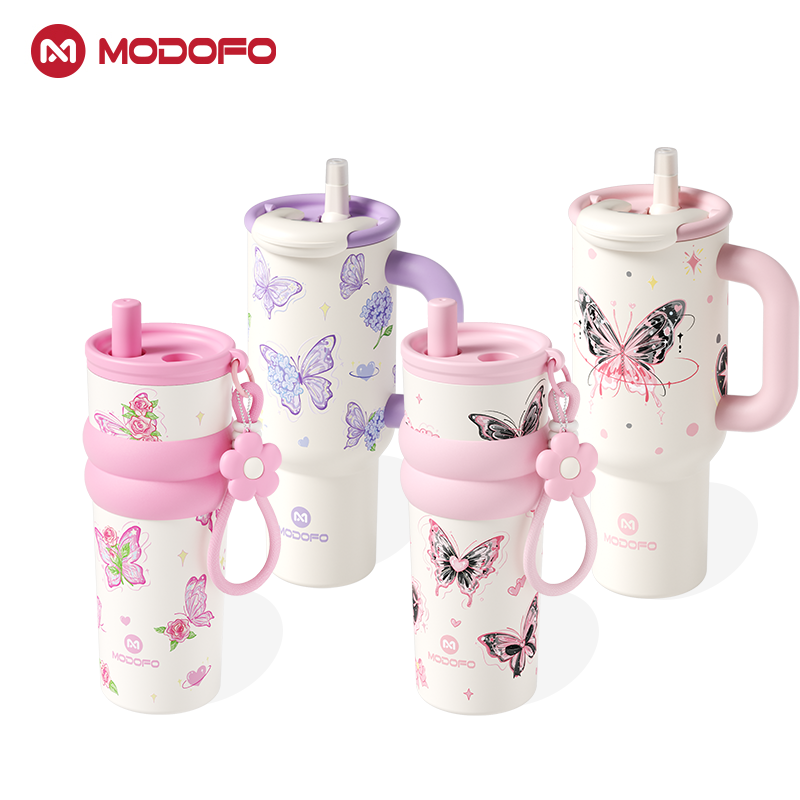
At MODOFO, this idea connects closely with modern lifestyle habits.
Drinkware is not only about carrying beverages.
It is about supporting healthier and more comfortable daily experiences in climates where hydration matters constantly.
Whether someone is:
- working in an office
- commuting in tropical heat
- exercising outdoors
- relaxing at home
- preparing tea during the evening
well-designed drinkware quietly supports those routines throughout the day.
Why People in Tropical Climates Crave Comfort More Than Ever
In hot and humid environments, comfort becomes extremely valuable.
This is one reason why cozy living trends continue growing across Southeast Asia and other tropical regions.
People increasingly seek:
- softer home environments
- cooling spaces
- warm lighting
- relaxing routines
- hydration-focused habits
- calming drinks
- slower evenings
After spending time in crowded and overheated urban environments, many people want homes that feel emotionally restorative.
This explains the popularity of:
- home cafés
- tea rituals
- comfortable workspaces
- slow living aesthetics
- wellness-centered products
People are no longer designing lifestyles purely around productivity.
They are designing lifestyles around recovery and emotional balance as well.
Why Warm Tea and Cold Drinks Both Matter
Different beverages serve different purposes in humid climates.
Cold water and iced drinks help cool the body quickly and provide refreshing relief during extremely hot weather.
At the same time, warm drinks like tea continue playing an important role emotionally and culturally.
Tea often creates calmness.
Preparing tea slows the pace of the day.
It creates a small pause between stress and recovery.
This is why many people still enjoy warm tea at night even in tropical countries.
The experience is less about temperature and more about emotional comfort.
Why Humid Weather Is Changing Lifestyle Trends
Climate strongly influences how people live.
As urban populations continue growing in tropical regions, people increasingly adapt their lifestyles around heat and humidity.
This can be seen through trends such as:
- lightweight clothing
- portable hydration culture
- home-centered lifestyles
- wellness-focused products
- minimalist interiors
- café culture
- comfortable home routines
- slow living habits
People want environments and routines that reduce physical and mental exhaustion.
And increasingly, lifestyle design itself becomes part of energy management.
Small Daily Habits That Help in Humid Weather
One of the most important lessons about living in humid climates is that small habits matter.
Minor adjustments often improve daily comfort significantly.
Helpful habits include:
Consistent Hydration
Drink water regularly throughout the day rather than waiting until thirst becomes strong.
Better Sleep Routines
Cooler sleeping environments and stable nighttime habits improve recovery.
Comfortable Drinkware
Accessible hydration encourages healthier routines naturally.
Reducing Excessive Sugar Intake
Sugary drinks may provide temporary energy but often increase fatigue later.
Slower Evening Routines
Tea, reading, soft lighting, and reduced screen exposure help the body relax.
Creating Comfortable Living Spaces
Good airflow, softer lighting, plants, and calming environments reduce mental fatigue.
Why Energy Management Matters More Than Productivity
Modern culture often encourages people to push harder whenever they feel tired.
But not all exhaustion comes from laziness or lack of discipline.
Sometimes the environment itself creates continuous pressure on the body.
This is especially true in humid climates where physical discomfort quietly accumulates every day.
Understanding this changes how people approach wellbeing.
Instead of constantly forcing higher productivity, many people are beginning to focus on:
- sustainability
- balance
- recovery
- comfort
- healthier routines
- emotional wellbeing
And often, this leads to healthier long-term lifestyles.
Final Thoughts
Humid weather affects daily life more deeply than most people realize.
It influences:
- sleep
- focus
- mood
- hydration
- physical energy
- emotional comfort
- lifestyle habits
In modern tropical cities, these effects become even stronger because people already live inside fast-moving, high-pressure environments.
This is why creating healthier routines matters.
Small habits such as:
- drinking more water
- improving sleep
- slowing down during evenings
- creating comfortable home spaces
- building calming rituals
- staying hydrated throughout the day
can noticeably improve how daily life feels over time.
Sometimes, better energy does not come from doing more.
It comes from understanding the environment around us — and learning how to live with it more intentionally.