
Understanding Temperature Switching, Urban Fatigue, and the Hidden Energy Drain of Modern Life
Modern life constantly moves between extremes.
One moment you are walking under intense sunlight, surrounded by humid air, traffic heat, and concrete streets radiating warmth back into the atmosphere.
A few minutes later, you step into an office tower, shopping mall, café, train station, or car with freezing air conditioning blowing directly onto your skin.
Then you go back outside again.
And repeat the cycle several times a day.
For many people living in tropical cities or modern urban environments, this routine feels completely normal.
Yet more and more people quietly experience the same symptoms every day:
- sudden fatigue
- headaches
- brain fog
- dry throat
- heavy limbs
- low concentration
- afternoon crashes
- constant tiredness despite resting
Most people blame work stress, poor sleep, or being “too busy.”
But there is another hidden factor quietly draining energy every day:
Environmental switching.
The human body was not designed to repeatedly jump between humid outdoor heat and artificially cold indoor environments all day long.
And over time, this constant adjustment creates a form of low-level physical and mental fatigue that modern urban populations increasingly experience without fully understanding.
The Body Is Constantly Trying to Stay Balanced
The human body works hard to maintain stability.
This includes regulating:
- body temperature
- hydration
- circulation
- breathing
- skin moisture
- energy balance
When the surrounding environment changes rapidly, the body must continuously adapt in order to maintain internal comfort and survival.
This process happens automatically.
Most people never notice it consciously.
But the body still spends energy responding to every environmental shift.
When you move from:
- hot outdoor heat
to - cold indoor air conditioning
the body immediately begins recalculating how to manage temperature again.
Blood vessels constrict.
Sweating slows.
Skin temperature changes.
Humidity exposure shifts.
Breathing adjusts.
Then the cycle repeats when you go back outside.
Over time, this creates physical strain that many people mistake for general tiredness.
Why Tropical Cities Feel Especially Exhausting
This issue becomes even more noticeable in tropical and high-humidity cities.
Places like:
- Kuala Lumpur
- Jakarta
- Bangkok
- Manila
- Singapore
- Ho Chi Minh City
often combine:
- high humidity
- strong sunlight
- trapped urban heat
- dense buildings
- traffic pollution
- heavily air-conditioned interiors
The result is an environment where the body rarely experiences stable comfort.
Outside, the body struggles to release heat effectively because humidity slows sweat evaporation.
Inside, overly cold air conditioning suddenly removes warmth and moisture from the skin.
The body keeps switching between survival modes.
This constant environmental contrast quietly consumes energy throughout the day.
Why Air Conditioning Feels Amazing at First
There is a reason entering a cold room after being outside feels incredibly satisfying.
Heat places stress on the body.
When temperatures rise, the body must work harder to cool itself through sweating and circulation.
Air conditioning temporarily reduces this workload.
That is why entering a cool environment creates instant relief.
The nervous system interprets cooling as recovery.
Muscles relax.
Sweating slows.
The skin cools down.
People often describe this feeling as:
“Finally.”
But the comfort often fades surprisingly quickly.
Why Cold Indoor Spaces Eventually Feel Uncomfortable
After spending enough time inside cold indoor environments, many people begin noticing a different type of discomfort.
Instead of feeling refreshed, they begin feeling:
- sluggish
- dry
- stiff
- sleepy
- mentally dull
This happens because comfort is more complex than temperature alone.
Modern indoor environments often create several hidden stressors at once.
1. Dry Air
Air conditioning systems reduce humidity while cooling the environment.
This helps remove sticky heat, but excessive dryness creates new problems.
Dry indoor air can contribute to:
- dry skin
- irritated eyes
- sore throat
- dehydration
- headaches
The body gradually loses moisture without people realizing it.
2. Reduced Movement
Most air-conditioned environments also involve prolonged sitting.
People remain inactive for long periods inside offices, classrooms, trains, or indoor spaces.
Cold environments combined with inactivity reduce circulation.
This often creates:
- shoulder tension
- cold hands
- muscle stiffness
- physical heaviness
3. Stale Indoor Air
Many modern buildings circulate recycled air with limited natural airflow.
The room may feel cold, but not necessarily fresh.
Without airflow movement, people often experience:
- low alertness
- heaviness
- sleepiness
- mental fatigue
This is one reason why a shaded outdoor area with natural wind can sometimes feel more comfortable than an extremely cold indoor office.
The Hidden Fatigue of Constant Temperature Switching
One of the least discussed aspects of modern urban life is temperature fatigue.
The body spends the entire day adapting to environmental instability.
Examples include:
- sweating outdoors
- drying indoors
- reheating outside
- cooling again inside
This repeated switching quietly drains physical energy.
The nervous system constantly responds to changing conditions.
Blood circulation repeatedly adjusts.
Skin temperature fluctuates.
Humidity exposure changes rapidly.
The body never fully relaxes.
Even though these adjustments seem small individually, repeating them daily creates cumulative fatigue.
Why Many People Crash in the Afternoon
This phenomenon becomes especially obvious during afternoon work hours.
Many office workers experience:
- brain fog
- heavy eyelids
- low focus
- cold fatigue
- mental exhaustion
even without intense physical activity.
Why?
Because by afternoon, the body has already spent hours adapting to:
- commuting heat
- office air conditioning
- dry indoor air
- sitting posture
- screen exposure
- hydration loss
The exhaustion is often environmental as much as mental.
Humidity May Affect Energy More Than Temperature
Many people focus only on heat itself.
But humidity plays an enormous role in how the body feels.
High humidity prevents sweat from evaporating efficiently.
As a result, the body struggles to release heat naturally.
This creates:
- stickiness
- heaviness
- overheating
- slower recovery
Then, once inside dry air-conditioned spaces, the body suddenly experiences the opposite extreme.
The skin dries rapidly.
Breathing changes.
Moisture loss increases.
The body must constantly readjust.
Humidity instability may actually exhaust the body more than temperature itself.
Why So Many People Are Mildly Dehydrated
One major reason temperature switching feels exhausting is hidden dehydration.
Most people associate dehydration only with outdoor heat or exercise.
But indoor cooling environments also contribute to fluid loss.
In air-conditioned environments:
- the air is drier
- people feel less thirsty
- moisture still leaves the body gradually
Many people stop drinking enough water simply because they no longer feel sweaty.
This creates mild but persistent dehydration throughout the day.
Symptoms may include:
- headaches
- low energy
- poor concentration
- dry skin
- mood changes
- fatigue
In many cases, people are not only tired.
They are underhydrated.
Why Drinking Habits Matter More Than People Think
Hydration is not just biological.
It is behavioral.
People drink more water when drinking feels convenient and enjoyable.
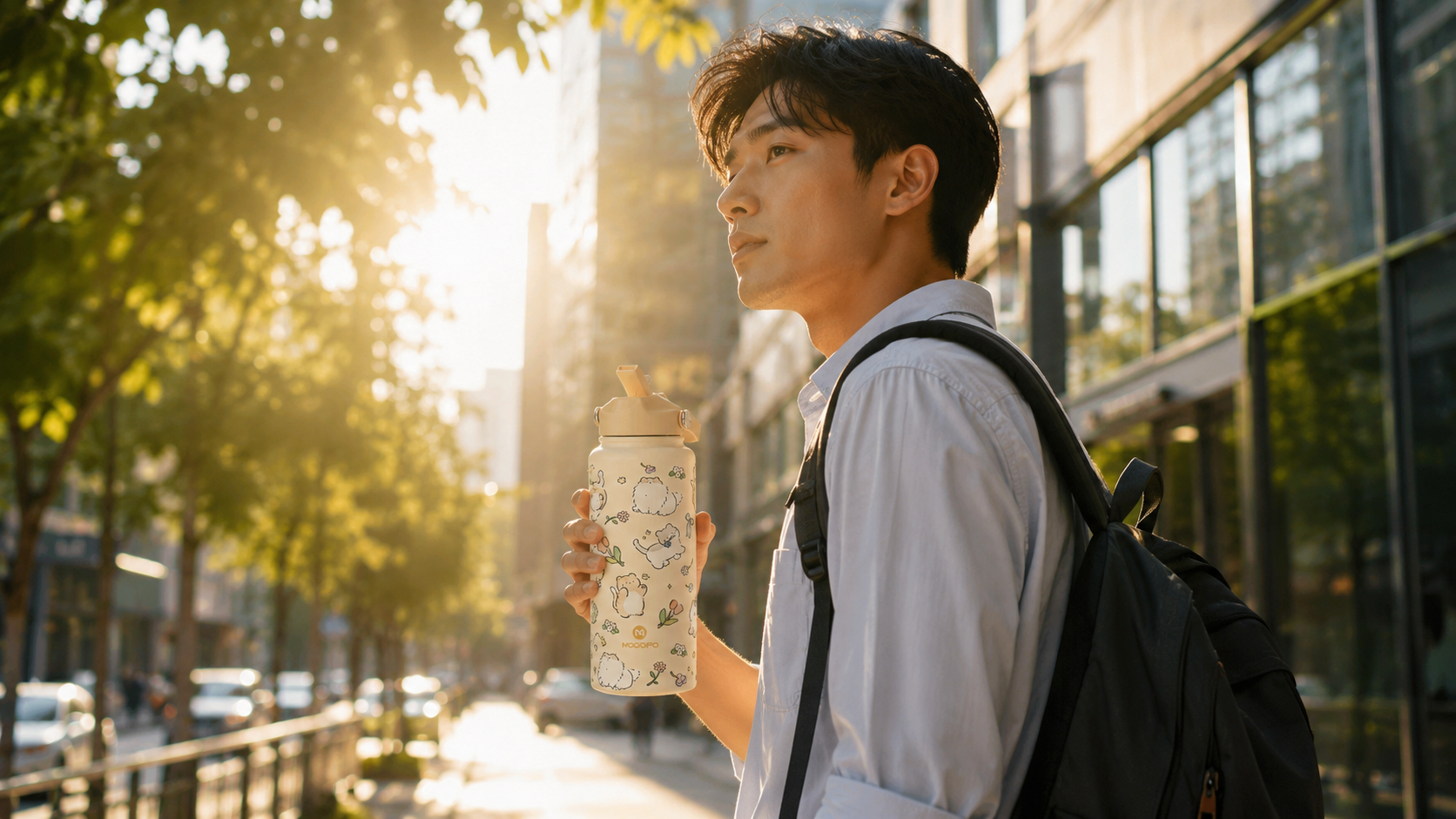
This explains why modern drinkware has evolved far beyond simple utility.
Today, many people prefer:
- insulated tumblers
- straw bottles
- large-capacity bottles
- portable hydration cups
because these products support consistent drinking habits throughout long urban days.
Small design differences affect behavior.
For example:
Straw Lids Encourage Frequent Sipping
People tend to drink more regularly when hydration feels effortless.
This is especially useful during office work, commuting, studying, or driving.
Insulated Bottles Keep Drinks More Appealing
In hot climates, cold water often feels more refreshing and motivating.
When drinks stay cool longer, people naturally drink more consistently.
Larger Bottles Reduce Friction
People are less likely to refill small containers repeatedly.
Large-capacity tumblers help support all-day hydration routines.
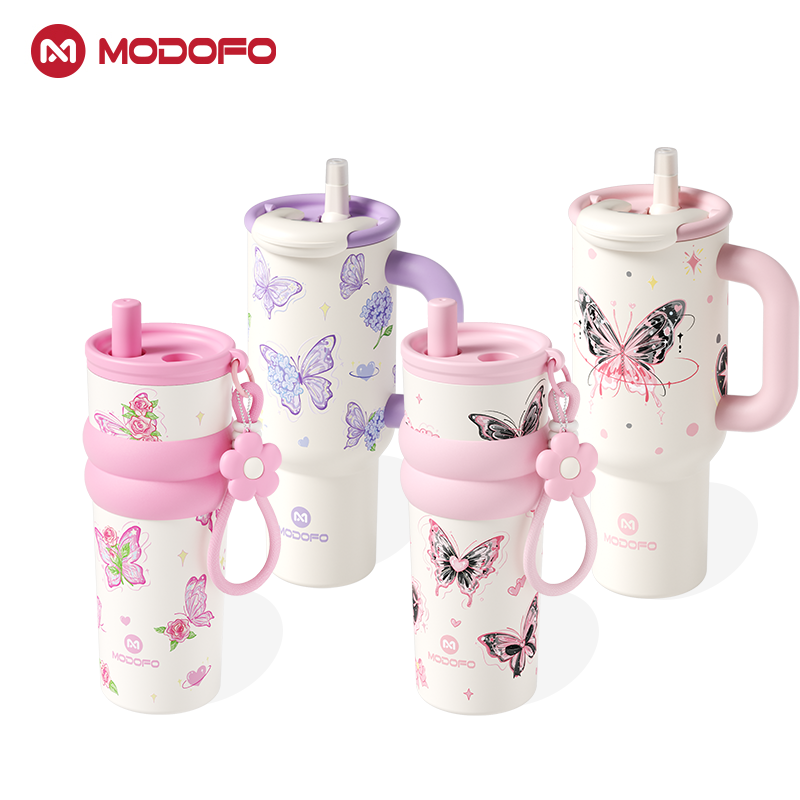
At brands like MODOFO, modern drinkware increasingly reflects lifestyle needs rather than only storage needs.
Hydration products are becoming part of daily comfort systems.
Modern Cities Create Invisible Stress
One important reality about urban living is that the body experiences many small stressors simultaneously.
These include:
- environmental heat
- cold indoor temperatures
- traffic noise
- artificial lighting
- screen exposure
- dry air
- crowded spaces
- irregular schedules
None of these may seem extreme individually.
But together, they gradually overload the nervous system.
Many people today are not exhausted from one major event.
They are exhausted from constant low-level environmental pressure.
Why People Are Seeking “Recovery-Oriented Living”
This is one reason modern lifestyle trends increasingly focus on:
- slower living
- breathable interiors
- wellness routines
- calming spaces
- evening recovery habits
- hydration awareness
People are beginning to prioritize environments that help the body recover instead of constantly adapt.
This shift is especially visible among younger urban populations.
Comfort is becoming less about luxury and more about nervous system relief.
How to Reduce Temperature-Switching Fatigue
Although modern cities cannot completely eliminate environmental contrast, small daily habits can significantly reduce fatigue.
1. Avoid Extremely Cold Indoor Temperatures
Overcooling increases physical stress.
Moderate cooling usually feels more sustainable than freezing environments.
2. Hydrate Before Feeling Thirsty
By the time thirst appears, mild dehydration may already exist.
Consistent small sips throughout the day work better than occasional large amounts.
3. Improve Airflow Around You
Fans and natural ventilation often improve comfort more effectively than lowering temperature further.
4. Reduce Sudden Temperature Shock
If possible, allow the body a few minutes to adjust gradually after entering cold indoor environments.
5. Move Regularly
Stretching, walking, and standing help circulation recover from prolonged cold indoor sitting.
6. Support Evening Recovery
After spending all day adapting to environmental stress, the body benefits from calming routines such as:
- warm showers
- tea rituals
- quiet lighting
- gentle airflow
- hydration
- reduced screen time
Recovery is not laziness.
It is maintenance for modern living.
The Future of Comfort May Be More Human-Centered
For decades, modern cities focused heavily on efficiency and climate control.
But the future may focus more on human comfort as a whole.
This includes:
- breathable architecture
- balanced airflow
- humidity-aware interiors
- recovery-focused homes
- hydration-centered routines
- wellness-oriented spaces
People are beginning to realize that true comfort is not simply about making environments colder.
It is about helping the body feel stable again.
Final Thoughts
Going between hot outdoors and cold indoors feels exhausting because the body is constantly adapting.
Modern urban life asks the body to repeatedly switch between:
- heat and cold
- humidity and dryness
- sweating and cooling
- movement and stillness
This constant adjustment quietly drains energy every day.
Sometimes fatigue is not only caused by work or lack of motivation.
Sometimes the environment itself is asking too much from the body.
And often, the solution is not extreme change.
It is small improvements in comfort, hydration, airflow, recovery, and the way we move through modern life.