
Understanding Temperature Fatigue, Indoor Air, and the Search for Comfort in Modern Cities
Modern life depends heavily on air conditioning.
Homes use it. Offices depend on it. Shopping malls, cafés, trains, airports, cars, gyms, and apartments all rely on controlled indoor cooling systems to make daily life bearable — especially in tropical and high-temperature cities.
For millions of people living in places like Kuala Lumpur, Bangkok, Jakarta, Manila, Singapore, or Dubai, air conditioning is no longer considered a luxury.
It has become part of everyday survival.
And yet, despite spending so much time in cooled indoor spaces, many people still feel strangely uncomfortable.
At first, stepping into an air-conditioned room feels amazing.
The body relaxes.
Sweat dries.
The heat disappears.
But after a while, the experience changes.
People begin noticing:
- dry skin
- cold hands
- heavy fatigue
- headaches
- stiffness
- brain fog
- dry throat
- low energy
- discomfort that is difficult to explain
This creates an interesting contradiction in modern urban life:
People constantly seek colder environments, but rarely feel truly comfortable inside them for very long.
Why does this happen?
The answer is more complex than temperature alone.
True comfort is not simply about making environments colder. It involves airflow, humidity, body adaptation, sensory balance, movement, hydration, lighting, and even emotional wellbeing.
Modern air-conditioned environments often cool the body quickly — but fail to support long-term physical comfort and recovery.
Why Air Conditioning Feels So Good at First
The human body naturally seeks cooling when exposed to heat.
In hot environments, the body works continuously to regulate temperature through:
- sweating
- blood circulation
- skin cooling
- fluid balance
This process consumes energy.
When people enter an air-conditioned environment after spending time outside, the body experiences immediate relief because cooling reduces the stress placed on temperature regulation systems.
This is why entering a cool room on a humid afternoon can feel almost euphoric.
The nervous system interprets cooling as recovery.
Heart rate slows slightly.
Sweating decreases.
Skin temperature drops.
The body temporarily feels safe and relaxed.
But this effect often fades surprisingly quickly.
Why the Comfort Does Not Last
One of the most overlooked realities of indoor cooling is that the human body adapts rapidly to stable environments.
After remaining inside a cold room for a period of time, the body gradually becomes less sensitive to the initial cooling effect.
The environment that felt refreshing twenty minutes ago now begins to feel:
- overly cold
- stale
- dry
- artificial
- uncomfortable
This happens because comfort is dynamic, not static.
The body constantly adjusts expectations based on surrounding conditions.
Simply lowering temperature cannot create lasting comfort by itself.
Over time, the nervous system begins noticing other environmental problems that were initially hidden behind the relief of cooling.
Modern Air Conditioning Often Creates “Temperature Fatigue”
One of the biggest hidden problems in modern cities is constant temperature switching.
People repeatedly move between:
- hot outdoor environments
- freezing office spaces
- humid streets
- cold shopping malls
- warm transportation systems
- overcooled meeting rooms
The body must continuously adapt.
This repeated adjustment quietly consumes energy throughout the day.
Blood vessels constantly expand and contract.
Skin temperature changes rapidly.
The nervous system repeatedly responds to environmental stress.
This creates what many people experience as “temperature fatigue.”
The body becomes tired not from one extreme condition, but from constant environmental fluctuation.
Why Office Air Conditioning Feels Especially Exhausting
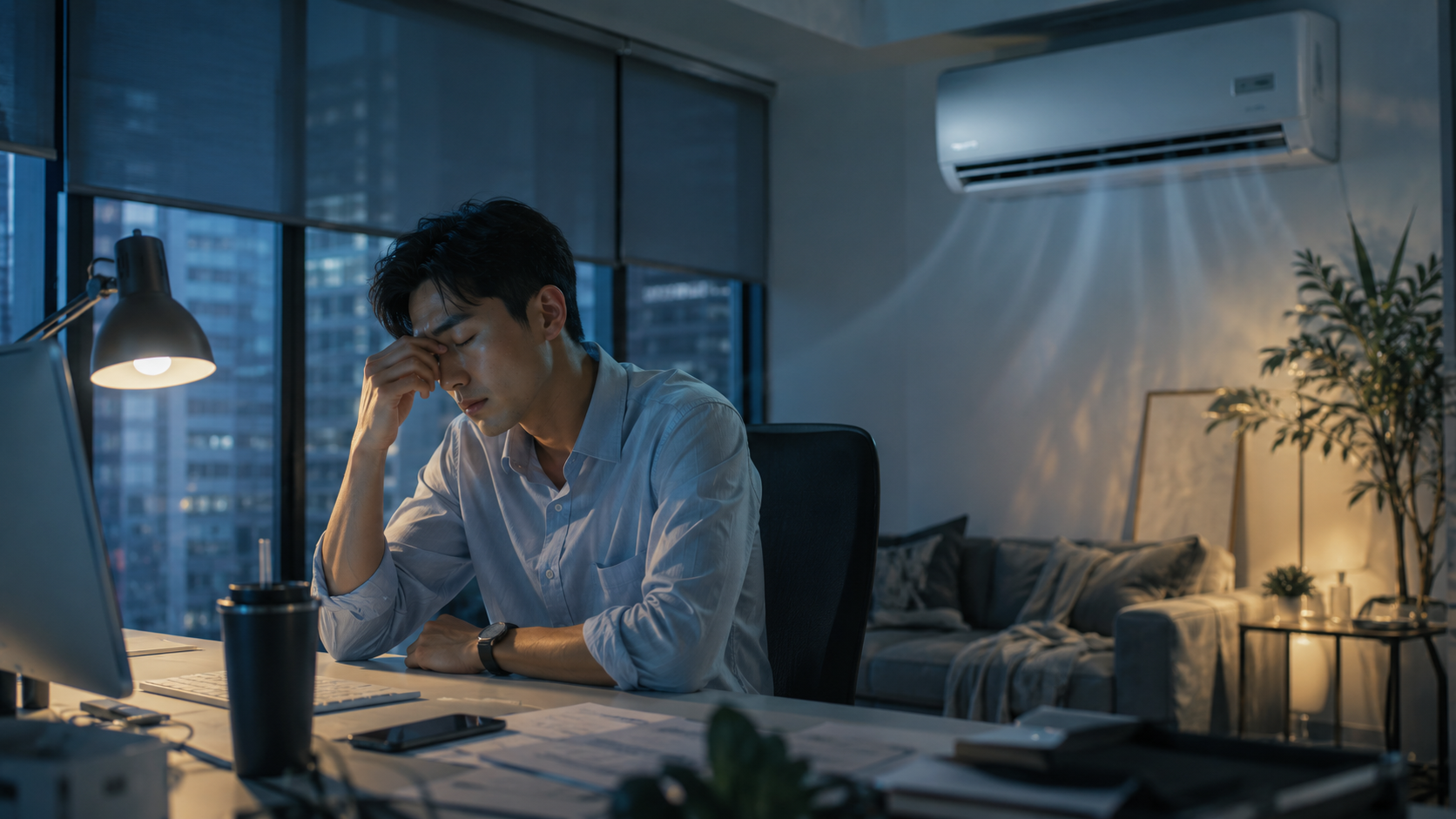
Many office workers know this feeling well.
By afternoon, even after sitting all day, they feel:
- mentally drained
- physically stiff
- emotionally flat
- sleepy
- dehydrated
This seems strange because office work is not physically intense.
But modern office environments combine several fatigue-inducing factors at once.
1. Lack of Airflow
Many offices circulate cold air without creating true fresh airflow.
The environment may feel cool, but the air itself often feels “dead.”
Without proper ventilation, people begin experiencing:
- heaviness
- drowsiness
- mental fatigue
- reduced alertness
The body responds better to moving natural air than stagnant recycled air.
This is partly why outdoor shade with a gentle breeze can sometimes feel more comfortable than a heavily air-conditioned office.
2. Long Periods of Inactivity
Cold environments combined with prolonged sitting reduce circulation.
When the body remains inactive for long hours, muscles stiffen more easily in cool temperatures.
People often describe this as:
- shoulder tightness
- cold fatigue
- heavy limbs
- low physical energy
Movement matters for comfort.
The body was not designed to remain motionless under artificial cooling for ten hours a day.
3. Artificial Lighting and Indoor Fatigue
Many air-conditioned spaces also rely heavily on artificial lighting and screen exposure.
The result is a sensory environment disconnected from natural rhythms.
People spend entire days inside spaces with:
- fixed temperatures
- fluorescent lighting
- low sunlight exposure
- limited natural air
- minimal physical movement
Over time, this affects mood, focus, and mental energy.
Why Air Conditioning Makes the Air Feel Dry
Another major reason comfort fades over time is humidity reduction.
Air conditioning systems remove moisture from indoor air as part of the cooling process.
This helps reduce sticky heat, especially in tropical climates.
But excessive moisture removal creates a different problem.
Dry indoor environments may lead to:
- dry skin
- irritated eyes
- dry throat
- cracked lips
- nasal discomfort
- dehydration
The body often feels physically “off” without understanding why.
Many people assume they are tired from work itself, when in reality indoor environmental conditions are also contributing.
The Hidden Relationship Between Air Conditioning and Dehydration
One of the least discussed effects of air-conditioned environments is hidden dehydration.
People usually associate dehydration with sweating outdoors.
But indoor cooling environments can quietly reduce hydration levels too.
This happens because:
- dry air increases moisture loss
- people feel less thirsty indoors
- long work sessions interrupt drinking habits
- cold environments reduce hydration awareness
Many office workers drink far less water than their bodies actually need.
Mild dehydration contributes to:
- headaches
- brain fog
- fatigue
- low concentration
- mood decline
This is one reason insulated bottles, tumblers, and hydration-focused routines have become increasingly common in modern workplaces.
People are trying to compensate for indoor environmental fatigue through easier access to hydration.
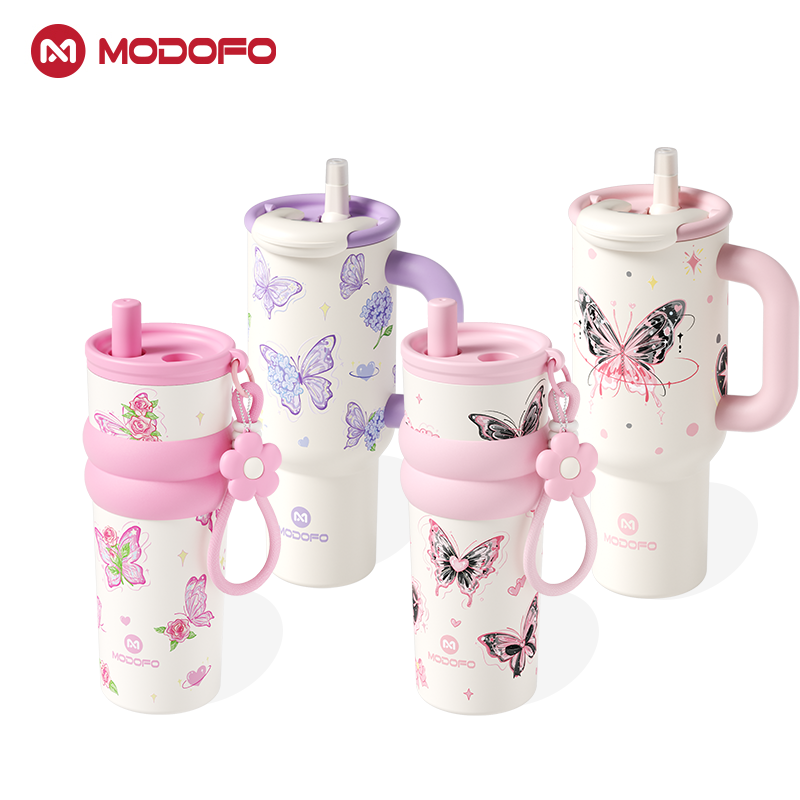
At MODOFO, this idea connects closely with modern lifestyle design.
Drinkware today is not only functional.
It has become part of comfort culture — helping people maintain better hydration, temperature preference, and recovery throughout long indoor days.
Why “Cold” Is Not the Same as “Comfort”
One of the biggest misconceptions in modern living is the belief that colder always means more comfortable.
But genuine comfort involves many factors working together:
- balanced humidity
- fresh airflow
- natural movement
- sensory calmness
- lighting quality
- emotional relaxation
- body circulation
- hydration balance
This explains why some naturally ventilated environments feel far more pleasant than heavily air-conditioned spaces.
Humans evolved in dynamic natural environments — not sealed indoor climate boxes.
The body responds positively to subtle natural variation:
- gentle airflow
- soft warmth
- outdoor sounds
- natural light transitions
Overcontrolled environments can eventually feel emotionally and physically exhausting.
Why People Crave “Breathable Living” Today
Modern lifestyle trends increasingly reflect this realization.
People are beginning to prioritize:
- breathable interiors
- open layouts
- natural materials
- linen fabrics
- indoor plants
- warm lighting
- slower evenings
- balanced airflow
This movement is especially visible in tropical urban environments.
Rather than seeking maximum cooling, many people now seek environments that feel lighter and calmer.
Comfort today is becoming more emotional and sensory — not purely temperature-based.
Why Homes Are Becoming Recovery Spaces
After spending entire days inside overstimulating indoor environments, many people now use their homes as recovery spaces.
This shift influences:
- interior design
- furniture choices
- lighting styles
- hydration routines
- evening habits
People increasingly value homes that feel:
- quiet
- breathable
- warm
- calming
- restorative
This is partly why modern minimalist and slow-living aesthetics continue growing globally.
People are searching for relief from environmental overload.
The Psychological Side of Indoor Cooling
Comfort is not only physical.
It is also psychological.
Many modern air-conditioned spaces feel emotionally cold because they lack sensory warmth.
Some environments may be technically cool yet still feel stressful due to:
- harsh lighting
- noise
- crowded layouts
- sterile design
- constant screen exposure
Meanwhile, softer spaces with natural textures and balanced airflow often feel significantly more relaxing even at slightly warmer temperatures.
The nervous system responds strongly to atmosphere.
Why Natural Airflow Feels Different
One reason natural airflow feels so refreshing is that it constantly changes.
Outdoor air moves dynamically.
Temperatures shift subtly.
Humidity varies naturally.
This creates sensory stimulation the body recognizes as organic and healthy.
In contrast, air-conditioned airflow is often mechanically repetitive.
The body eventually notices the artificial consistency.
That is why even a slightly open window or small fan can sometimes improve comfort dramatically inside air-conditioned rooms.
Movement matters.
The Growing Importance of Recovery-Oriented Living
Modern cities place enormous pressure on the human body and nervous system.
People constantly navigate:
- screens
- schedules
- traffic
- indoor environments
- overstimulation
- climate stress
As a result, recovery is becoming one of the most important lifestyle priorities of modern life.
Recovery now includes:
- hydration
- airflow
- sleep quality
- calming spaces
- sensory balance
- evening rituals
People are beginning to understand that sustainable energy depends heavily on environmental quality.
How to Make Air-Conditioned Spaces Feel More Comfortable
While air conditioning is necessary in many climates, there are ways to improve long-term comfort significantly.
1. Avoid Extremely Low Temperatures
Overcooling often increases fatigue.
Moderate cooling usually feels more sustainable than freezing indoor environments.
2. Improve Airflow
Fans, open circulation, and occasional fresh air breaks help reduce stagnant indoor fatigue.
3. Maintain Better Hydration
Dry indoor environments increase fluid loss more than many people realize.
Keeping cold or room-temperature water nearby encourages consistent hydration throughout the day.
4. Add Natural Elements
Indoor plants, sunlight, wood textures, and breathable fabrics help soften artificial environments psychologically.
5. Move More Frequently
Standing, stretching, and short walking breaks improve circulation and reduce cold-environment stiffness.
6. Reduce Sensory Overload
Warm lighting, quieter spaces, and screen breaks help reduce nervous system fatigue.
7. Create Better Evening Recovery Habits
After spending all day inside climate-controlled environments, the body benefits from calming routines such as:
- warm showers
- tea rituals
- quiet music
- dim lighting
- gentle airflow
- hydration
Recovery is cumulative.
Small rituals matter more than people often realize.
The Future of Comfort May Become More Human-Centered
For decades, modern buildings focused heavily on efficiency and climate control.
But future urban living may increasingly focus on human comfort from a broader perspective.
This includes:
- breathable architecture
- balanced airflow
- wellness-centered interiors
- natural lighting
- emotional comfort
- recovery-oriented design
People are slowly realizing that comfort is not something machines alone can create.
True comfort comes from environments that work with the body — not against it.
Final Thoughts
Air conditioning solves heat quickly.
But long-term comfort is more complicated than temperature alone.
The human body needs:
- airflow
- hydration
- movement
- balanced humidity
- natural sensory variation
- emotional calmness
- recovery
In modern cities where people spend most of their lives indoors, comfort is becoming less about escaping heat — and more about creating spaces that help people feel lighter, healthier, and mentally balanced.
Sometimes the goal is not to make life colder.
It is to make life easier to breathe inside.