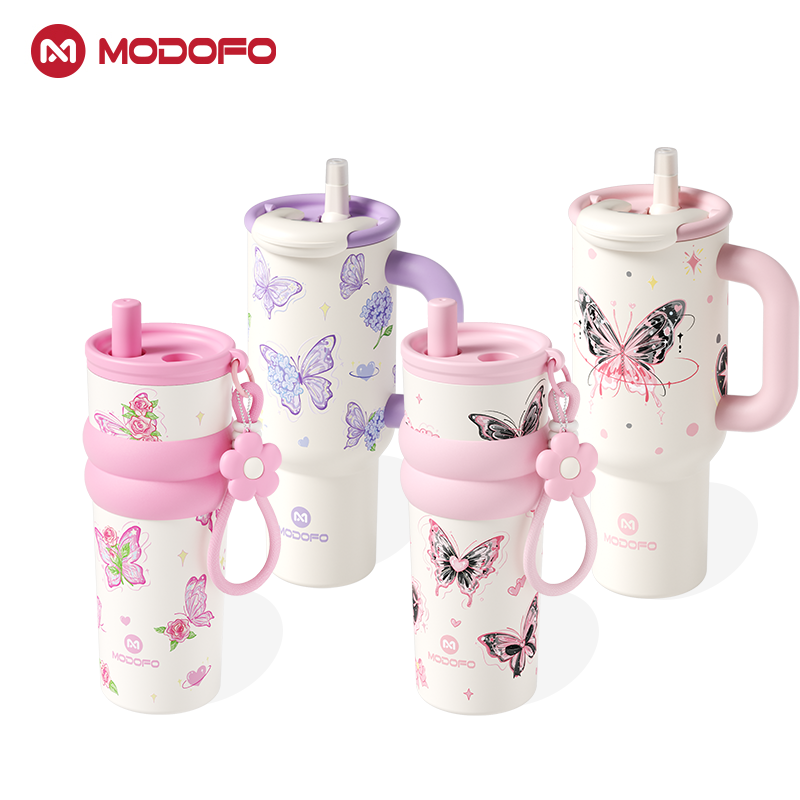


Reusable water bottles have become an everyday essential for millions of people around the world. Whether commuting to work, exercising at the gym, or traveling outdoors, a personal water bottle is now a standard part of daily life.
Yet one question continues to surface among health-conscious consumers:
What is the safest material for a water bottle?
Many people focus on design, insulation performance, or aesthetics when choosing a bottle. However, the material used to construct the bottle can influence durability, chemical stability, taste neutrality, and long-term safety.
Over the past decade, discussions about BPA, microplastics, and chemical leaching have also raised public awareness about the materials used in drinkware. As a result, consumers today are paying closer attention not just to how a bottle looks, but what it is made of.
This guide explains the most common water bottle materials used today and examines their advantages, limitations, and safety characteristics. By understanding how each material behaves in real-world use, it becomes easier to choose a bottle that supports safe and reliable daily hydration.
Why Water Bottle Material Matters
At first glance, most water bottles seem similar. They all hold water, they are portable, and many promise durability or insulation. However, different materials behave very differently when exposed to heat, liquids, cleaning agents, and long-term wear.
The material affects several important factors:
Chemical stability – whether compounds from the material can migrate into the liquid.
Temperature resistance – whether the bottle can safely hold hot beverages.
Durability and corrosion resistance – how well the material withstands daily use.
Ease of cleaning – whether the bottle can be maintained hygienically.
Because a water bottle is used repeatedly over months or years, these factors become increasingly important over time. A bottle that performs well initially may degrade if the material is not resistant to corrosion, staining, or odor retention.
For this reason, evaluating bottle materials is not simply about preference. It is about understanding how each material behaves during long-term daily use.
How Water Bottle Materials Are Evaluated
Before comparing individual materials, it helps to establish a clear framework for evaluating them. The safety and performance of a bottle material can generally be assessed across four main criteria.
Chemical Stability
Chemical stability refers to whether a material releases compounds into water or beverages. Some materials remain chemically inert under most conditions, while others may release trace compounds when exposed to heat or acidic liquids.
For example, certain plastics historically contained additives such as BPA, which raised concerns about potential health effects. Although many modern plastics are now labeled BPA-free, the topic has encouraged consumers to consider material composition more carefully.
Materials like stainless steel and glass are widely valued because they are highly chemically stable.
Heat Resistance
Many people use the same bottle for both cold water and hot beverages such as coffee or tea. Materials that cannot tolerate heat may deform, degrade, or accelerate chemical migration.
Glass, stainless steel, and titanium generally tolerate high temperatures well, while some plastics are designed primarily for cold liquids.
Corrosion Resistance
Long-term exposure to water, acids, and cleaning agents can cause certain materials to degrade. Corrosion resistance is particularly important for metal bottles.
High-quality stainless steel and titanium are known for their strong resistance to corrosion, which helps preserve the structural integrity of the bottle.
Cleanability
A bottle must also be easy to clean thoroughly. Narrow necks, porous materials, or surfaces that retain odor can make cleaning difficult.
Materials that are non-porous and resistant to staining generally perform better over time. This is one reason why glass and stainless steel are commonly recommended for reusable drinkware.
The Most Common Water Bottle Materials Today
Modern drinkware is produced using a range of materials. Some focus on affordability and lightweight design, while others prioritize durability and performance.
The most common materials used in reusable water bottles include:
- Plastic
- Stainless steel
- Glass
- Aluminum
- Silicone
- Copper
- Titanium
Each material offers different benefits depending on how the bottle is used. The following sections examine these materials individually.
Plastic Water Bottles
Plastic remains one of the most widely used materials in reusable water bottles due to its affordability and lightweight properties.
Common types of plastic used in bottles include:
- PET (polyethylene terephthalate)
- Tritan
- Polypropylene
Modern reusable plastic bottles are often marketed as BPA-free, which addresses concerns related to older plastic formulations.
Advantages
Plastic bottles offer several practical advantages:
They are lightweight and easy to carry, making them ideal for sports and outdoor activities. Plastic is also impact-resistant, meaning bottles are less likely to shatter if dropped.
Additionally, plastic bottles are typically more affordable than bottles made from metal or glass.
Limitations
Despite these benefits, plastic bottles have some limitations.
Plastic may absorb odors or flavors over time, especially when used with flavored drinks. High temperatures can also cause certain plastics to warp or degrade, which is why many plastic bottles are recommended only for cold liquids.
In recent years, researchers have also begun studying microplastic particles, which has contributed to ongoing discussions about long-term plastic use.
For these reasons, plastic bottles are often considered practical but not always the top choice for long-term durability.
Stainless Steel Bottles
Stainless steel bottles have become extremely popular in recent years, particularly in insulated drinkware designed for temperature retention.
Most stainless steel bottles use either 304 stainless steel or 316 stainless steel, both of which offer strong corrosion resistance.
Advantages
Stainless steel offers several major benefits.
First, it is highly durable. Stainless steel bottles can withstand heavy use without cracking or breaking.
Second, stainless steel is chemically stable and does not easily react with water or most beverages.
Third, stainless steel performs well with hot liquids, making it suitable for coffee, tea, and other warm drinks.
Many insulated bottles also use a double-wall vacuum design, which helps maintain beverage temperature for extended periods.
Limitations
While stainless steel performs well overall, there are a few considerations.
Some bottles may include plastic components in the lid or straw system, which still require regular cleaning.
Additionally, stainless steel bottles are typically heavier than plastic bottles.
Despite these minor trade-offs, stainless steel is widely considered one of the most reliable materials for reusable drinkware.
Glass Water Bottles
Glass bottles appeal to consumers who want a material that is completely inert and free from metallic or plastic components.
Many glass bottles use borosilicate glass, a specialized type of glass that offers improved resistance to temperature changes.
Advantages
Glass has several unique advantages.
It is chemically inert, meaning it does not react with water or most beverages. As a result, glass bottles preserve the natural taste of liquids extremely well.
Glass is also very easy to clean and does not absorb odors or stains easily.
Limitations
The main drawback of glass bottles is fragility. Although many glass bottles include protective silicone sleeves, glass is still more vulnerable to breakage than metal or plastic.
Glass bottles are also generally heavier, which can reduce portability for certain activities.
Nevertheless, glass remains a popular choice for people who prioritize purity of taste and chemical stability.
Aluminum Bottles
Aluminum bottles are commonly used in lightweight outdoor drinkware.
Because aluminum can react with certain liquids, most aluminum bottles include an interior lining designed to prevent direct contact between the metal and the beverage.
Advantages
Aluminum bottles are lightweight and easy to carry. They also offer strong resistance to dents and impact damage.
Additionally, aluminum is highly recyclable, making it attractive from a sustainability perspective.
Limitations
The primary concern with aluminum bottles involves the internal lining. If the protective coating becomes damaged, the aluminum beneath could potentially react with acidic beverages.
As a result, the quality of the interior coating plays an important role in the long-term performance of aluminum bottles.
Silicone Bottles
Silicone bottles are relatively new compared to other materials. They are often designed to be collapsible, making them convenient for travel.
Advantages
Silicone bottles are flexible and lightweight. Many designs can be folded or compressed when empty, which saves space in bags or backpacks.
Silicone is also heat resistant and commonly used in kitchen utensils.
Limitations
Although silicone is widely considered safe for food contact, it has not been studied as extensively as materials like stainless steel or glass in drinkware applications.
Some users also report that silicone bottles may retain odors if not cleaned regularly.
Copper Bottles
Copper bottles have gained attention partly due to traditional wellness practices that suggest antimicrobial properties.
Advantages
Copper has natural antimicrobial characteristics, which may help reduce bacterial growth on surfaces.
Copper bottles are also visually distinctive and often marketed as premium lifestyle products.
Limitations
Despite these historical claims, the scientific consensus on copper bottles remains limited. Excessive copper intake can also present health risks, which is why prolonged contact between copper and drinking water is sometimes debated.
Because of these uncertainties, copper bottles are generally used with caution.
Titanium Bottles
Titanium is one of the strongest and most corrosion-resistant metals used in drinkware.
Although less common than stainless steel, titanium bottles are popular among outdoor enthusiasts.
Advantages
Titanium is extremely durable and resistant to corrosion. It is also lighter than stainless steel while maintaining exceptional strength.
These properties make titanium attractive for backpacking and long-distance travel.
Limitations
The primary drawback of titanium bottles is cost. Titanium drinkware is significantly more expensive than most alternatives.
As a result, titanium bottles tend to be niche products used in specialized outdoor gear.
Safety Ranking: Which Water Bottle Materials Perform Best?
Based on chemical stability, durability, and ease of cleaning, some materials generally perform better for daily hydration.
A simplified comparison looks like this:
| Rank | Material | Safety Level |
|---|---|---|
| 1 | Stainless Steel | Excellent |
| 2 | Glass | Excellent |
| 3 | Titanium | Excellent |
| 4 | Silicone | Good |
| 5 | Plastic (BPA-free) | Acceptable |
| 6 | Aluminum | Acceptable |
| 7 | Copper | Limited Evidence |
This ranking reflects overall material performance rather than specific brand designs. High-quality manufacturing and proper maintenance can still influence real-world safety.
Choosing the Right Bottle for Your Lifestyle
The safest bottle material is not always the same for every situation. Lifestyle and usage patterns also play an important role.
For example:
People who drink hot beverages frequently may prefer stainless steel bottles with vacuum insulation.
Individuals who prioritize taste purity might choose glass bottles.
Outdoor travelers may value lightweight options such as titanium or aluminum.
Meanwhile, casual daily hydration may work perfectly well with a durable BPA-free plastic bottle.
Understanding how the bottle will be used can help narrow the best material choice.
Keeping Any Water Bottle Safe
Regardless of material, proper maintenance is essential for safe and hygienic use.
A few simple practices can extend the lifespan of any bottle:
Clean bottles regularly with warm water and mild detergent.
Allow bottles to dry completely before sealing them to prevent odor buildup.
Perform occasional deep cleaning if stains or residue appear.
Inspect bottles periodically for signs of wear or damage.
With proper care, most high-quality reusable bottles can provide reliable service for years.
Final Thoughts
Choosing the safest water bottle material ultimately depends on balancing durability, chemical stability, and everyday convenience.
Materials such as stainless steel, glass, and titanium generally perform exceptionally well across most safety criteria. Plastic, aluminum, and silicone also remain widely used but may require additional attention to heat exposure, coatings, or cleaning.
As reusable drinkware continues to evolve, manufacturers are constantly improving materials and designs to meet growing consumer expectations.
For most people seeking a reliable everyday bottle, selecting a well-made product from a reputable manufacturer—and maintaining it properly—will ensure safe and consistent hydration for years to come.