
Tea is one of the oldest beverages in human history.
Yet in modern life, the way people drink tea has changed dramatically.
Today, many people drink tea while:
- answering emails
- commuting
- studying
- rushing between meetings
Tea is often treated as a quick caffeine alternative rather than an experience.
Instant tea bags, disposable cups, and rushed brewing methods have become normal parts of everyday life.
But traditional tea culture teaches something different.
Tea is not only about hydration.
It is about:
- rhythm
- aroma
- temperature
- focus
- atmosphere
- ritual
And at the center of that experience is one important object:
the teapot.
A teapot is not simply a container for hot water and tea leaves.
It shapes:
- extraction
- flavor
- aroma
- pouring rhythm
- the emotional experience of drinking tea itself
The right teapot can transform tea from an ordinary drink into a calming daily ritual.
In this guide, we’ll explore:
- how teapots affect tea brewing
- different teapot materials and their strengths
- how to match tea types with the right teaware
- beginner-friendly brewing techniques
- how modern tea rituals fit into contemporary lifestyles
Because good tea is not only about the leaves.
It is also about the experience created around them.
Why the Teapot Matters More Than Most People Think
Many beginners assume tea quality depends only on:
- the tea leaves
- water quality
- brewing time
These factors are important.
But the teapot itself also changes the outcome significantly.
Different teapots affect:
- heat retention
- flavor release
- tea leaf expansion
- aroma concentration
- pouring speed
Even the shape of a teapot can influence how tea tastes and feels.
This is why tea enthusiasts often choose different teapots for different types of tea.
Tea Brewing Is About Control
Good tea brewing is not simply “putting tea into hot water.”
It is a balance between:
- temperature
- extraction time
- airflow
- leaf movement
- pouring rhythm
A well-designed teapot helps control these variables naturally.
This is why tea culture places so much importance on teaware.
Understanding the Core Elements of Tea Brewing
Before choosing a teapot, it helps to understand the four major elements that shape tea flavor.
1. Water Temperature
Different teas require different temperatures.
For example:
- green tea prefers lower temperatures
- black tea handles higher heat better
- delicate floral teas may become bitter if overheated
The teapot material influences how heat is retained during brewing.
2. Brewing Time
Longer steeping extracts:
- more flavor
- more tannins
- more bitterness
The right teapot allows better timing and pouring control.
3. Tea Leaf Expansion
Tea leaves need space to open properly.
This affects:
- aroma
- flavor complexity
- smoothness
Wide brewing chambers often improve leaf expansion.
4. Pouring Rhythm
Tea brewing is not only about steeping.
The pouring process matters too.
Controlled pouring helps regulate extraction and improves the overall tea experience.
Ceramic Teapots: The Traditional Favorite
Ceramic teapots remain one of the most popular choices in tea culture.
They combine:
- warmth
- stability
- traditional aesthetics
- balanced brewing performance
Why Ceramic Works So Well
Ceramic retains heat steadily without transferring too much aggressive heat directly into the tea.
This creates smoother extraction.
Best Tea Types for Ceramic Teapots
Ceramic works especially well for:
- oolong tea
- black tea
- pu-erh tea
These teas benefit from:
- stable heat
- richer extraction
- aromatic development
The Emotional Appeal of Ceramic
Ceramic teaware also carries emotional value.
It often feels:
- calming
- traditional
- handcrafted
- ritualistic
Many tea drinkers enjoy ceramic because it slows down the brewing experience in a positive way.
Glass Teapots: Modern, Visual & Elegant
Glass teapots create a completely different tea experience.
Instead of emphasizing tradition, they focus on:
- visibility
- transparency
- visual beauty
Why Glass Teapots Are Popular
Glass allows users to watch:
- tea leaves unfold
- flowers bloom
- color changes develop
This creates a highly immersive brewing experience.
Best Tea Types for Glass Teapots
Glass works especially well for:
- green tea
- floral tea
- fruit tea
- herbal tea
These teas benefit from both visual presentation and lighter brewing conditions.
Advantages of Glass Teapots
Flavor Neutrality
Glass does not easily influence flavor.
Easy Monitoring
You can visually control brew strength.
Modern Aesthetic
Glass teaware fits minimalist and contemporary interiors very well.
Limitations of Glass
Glass generally loses heat faster than ceramic or cast iron.
It is also more fragile.
For this reason, glass works best in calm home or office environments rather than heavy travel use.
Stainless Steel Teapots: Modern Convenience Meets Practicality
Modern tea culture is evolving.
People increasingly want tea systems that fit into:
- offices
- commuting
- travel
- fast-paced routines
This is where stainless steel teapots and insulated tea systems become valuable.
Why Stainless Steel Is Growing in Popularity
Modern stainless steel tea systems offer:
- durability
- portability
- insulation
- convenience
Especially for busy professionals.
Best Uses for Stainless Steel Teaware
- office tea brewing
- outdoor tea setups
- portable tea rituals
- travel use
316 vs 304 Stainless Steel for Tea
Both are commonly used.
However:
- 316 stainless steel offers stronger corrosion resistance
- 304 stainless steel remains highly practical and widely trusted
For tea, both perform well when properly manufactured.
Why Ceramic-Lined Stainless Bottles Are Trending
One major trend in modern tea drinkware is ceramic-lined interiors.
These combine:
- insulation performance
- portability
- smoother flavor experience
They help reduce metallic flavor interaction while maintaining modern convenience.
Cast Iron Teapots: Heat Retention & Ceremony
Cast iron teapots are often associated with:
- Japanese tea culture
- ceremonial tea experiences
- slow brewing rituals
Why People Love Cast Iron
The biggest advantage is heat retention.
Cast iron maintains temperature extremely well.
This creates:
- stable extraction
- warm serving conditions
- long tea sessions
Limitations of Cast Iron
- heavy weight
- less portable
- requires maintenance
For many users, cast iron is more about ritual and atmosphere than convenience.
Matching Tea Types with the Right Teapot
Different teas perform better in different brewing environments.
Understanding this improves tea quality significantly.
Green Tea
Green tea is delicate.
Excessive heat can create bitterness quickly.
Best Teapots for Green Tea
- glass teapots
- thin ceramic teapots
These allow lighter, more controlled brewing.
Oolong Tea
Oolong tea emphasizes aroma complexity.
It benefits from stable heat and proper airflow.
Best Teapots for Oolong
- ceramic
- clay-based teaware
Black Tea
Black tea handles higher temperatures well.
It benefits from stronger heat retention.
Best Teapots for Black Tea
- ceramic
- insulated teapots
- cast iron
Floral & Blooming Tea
Visual presentation becomes part of the experience.
Best Teapots
- glass teapots
Watching flowers bloom enhances the ritual dramatically.
Herbal Tea
Herbal teas often involve:
- larger ingredients
- longer steeping times
Best Teapots
- larger glass teapots
- stainless steel tea systems with infusers
How to Brew Tea Properly: Beginner-Friendly Method
Tea brewing becomes much easier when simplified into a repeatable process.
Step 1: Start with Good Water
Water quality changes tea flavor significantly.
Clean filtered water generally produces smoother tea.
Step 2: Match Water Temperature to the Tea
Approximate guidelines:
- green tea: lower temperature
- black tea: higher temperature
- herbal tea: near boiling
Step 3: Use the Right Tea-to-Water Ratio
Too much tea creates bitterness.
Too little tea creates weak flavor.
Balance matters.
Step 4: Control Brewing Time
One of the biggest beginner mistakes is over-steeping.
Long extraction increases bitterness and harshness.
Step 5: Pour with Intention
Pouring is part of the ritual.
A smooth controlled pour improves:
- consistency
- rhythm
- sensory experience
Tea Rituals in Modern Life
Tea culture is no longer limited to traditional ceremonies.
Modern tea rituals can exist anywhere:
- offices
- apartments
- workspaces
- travel environments
The key is not complexity.
It is intentionality.
Why Tea Feels Different from Coffee
Coffee often emphasizes speed and stimulation.
Tea encourages:
- slower pacing
- mindfulness
- sustained focus
This is one reason many people turn to tea as part of a healthier lifestyle rhythm.
The Rise of Office Tea Culture
More professionals are incorporating tea into work routines.
Reasons include:
- reduced caffeine anxiety
- calmer energy levels
- hydration support
- emotional reset moments
Modern Tea Setups for Busy People
Minimalist tea systems are becoming increasingly popular.
Examples include:
- insulated tea tumblers
- portable tea infusers
- ceramic-lined tea bottles
- compact office teaware
These systems combine traditional tea culture with modern practicality.
Common Tea Brewing Mistakes
Mistake 1: Using Water That Is Too Hot
Especially harmful for green tea and delicate teas.
Mistake 2: Over-Steeping
Creates bitterness and unpleasant heaviness.
Mistake 3: Using the Wrong Teapot for the Tea Type
Different teas benefit from different brewing environments.
Mistake 4: Ignoring Teapot Cleaning
Tea residue and buildup eventually affect flavor quality.
Mistake 5: Rushing the Brewing Process
Tea is not designed for speed.
The experience improves when the pace slows slightly.
How to Choose the Right Teapot for Your Lifestyle
The best teapot depends on your habits.
Not everyone needs the same system.
Ask Yourself:
What Tea Do You Drink Most Often?
This influences material choice.
Where Do You Usually Drink Tea?
- home
- office
- outdoors
- travel
What Matters Most to You?
- ritual
- convenience
- portability
- aesthetics
- insulation
Do You Prefer Solo or Shared Tea Sessions?
Larger teapots work better for groups.
Smaller systems suit personal rituals.
Brand Perspective: Tea Brewing Is About Experience
The best tea products do more than hold tea.
They shape how people experience moments throughout the day.
Good teaware supports:
- comfort
- rhythm
- intentional living
- sensory enjoyment
Modern tea culture does not need to choose between tradition and convenience.
The best systems combine both.
Final Thoughts
Tea brewing is not only about technique.
It is about creating a better relationship with time, attention, and daily routine.
A good teapot improves:
- flavor
- aroma
- brewing control
- emotional experience
But more importantly, it creates space for slower, more intentional moments in everyday life.
Because in the end, the best teapot is not necessarily the most expensive or the most traditional.
It is the one that helps you enjoy tea in a way that feels natural, calming, and meaningful to you.
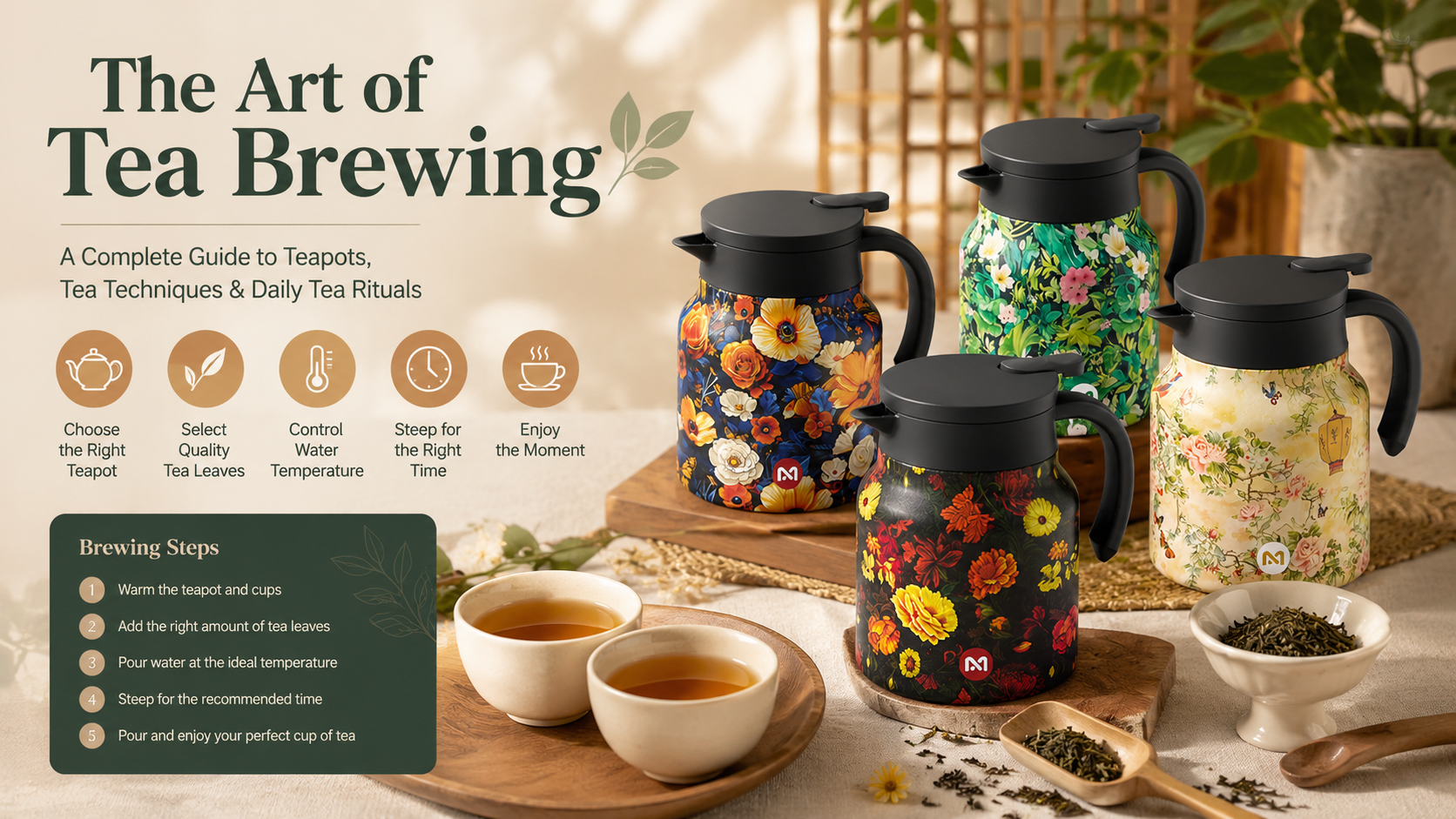
MODOFO Teapot Recommendation
https://modofo.net/products/modofo-316-thermos-stainless-steel-teapot-coffee-pot-thermal-insulation-stewed-teapot-jug-air-panas-dan-sejuk-portable-household-stuffy-teapot