
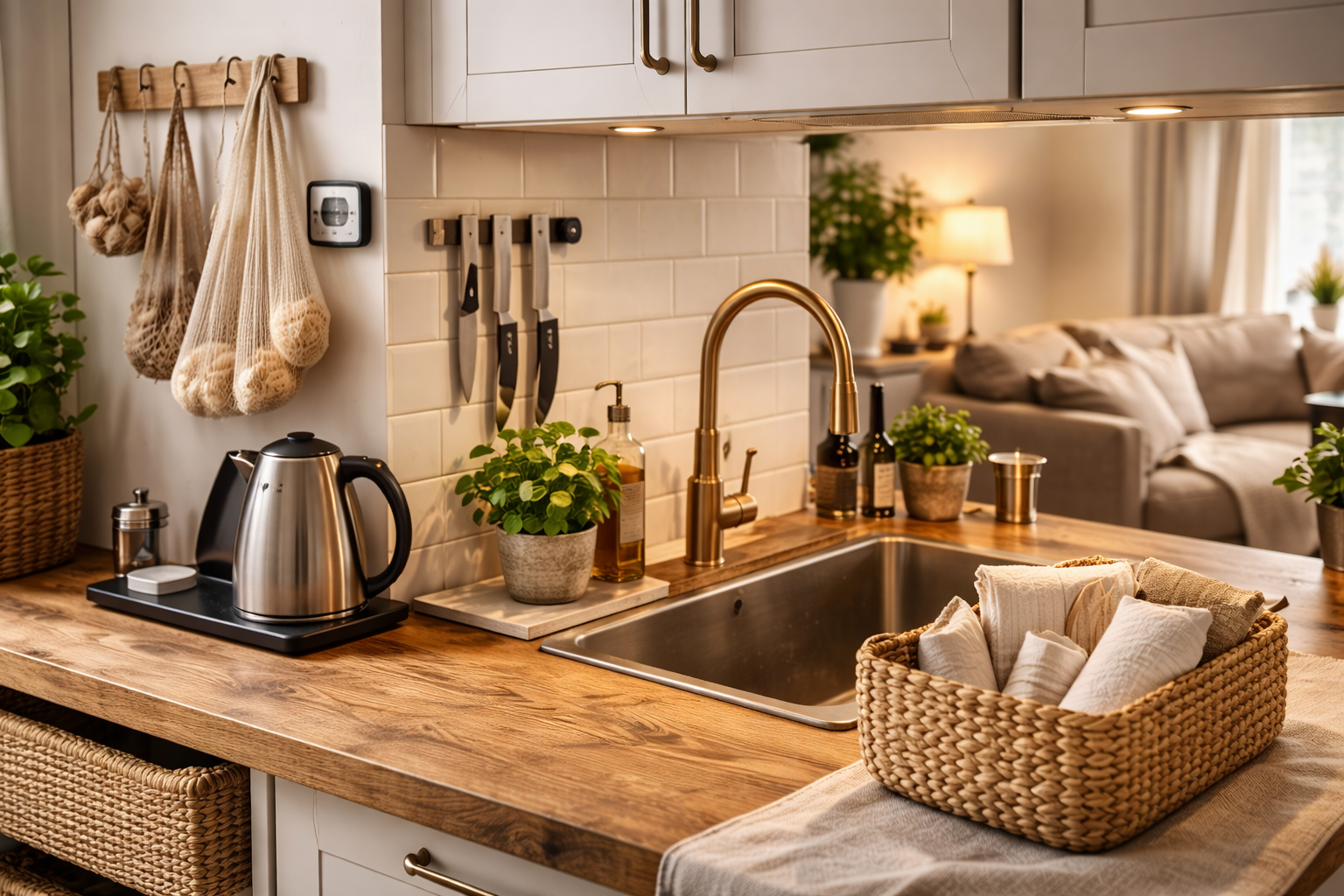
Most people associate home improvement with major renovations: tearing down walls, replacing floors, or investing in expensive furniture. These projects are visible, dramatic, and often disruptive. Yet the changes that most strongly affect daily life are usually much smaller—and far less noticeable.
Daily comfort is shaped by repetition. The actions you perform dozens of times each day—turning on a light, reaching for a cup, opening a drawer, filling a glass of water—define how your home actually feels to live in. When these actions are smooth, quiet, and intuitive, life feels easier. When they involve friction, inconvenience accumulates.
Small home upgrades matter because they reduce that friction. They rarely attract attention, but they steadily improve how a home supports daily routines.
Why Small Changes Often Matter More Than Big Ones
Large upgrades deliver immediate visual impact, but their influence on everyday experience can fade quickly. Once the novelty wears off, what remains is how well the home functions.
Small upgrades operate differently. They target specific pain points: awkward reach, poor lighting, unnecessary noise, or repetitive effort. Each improvement may feel minor on its own, but together they reshape daily life.
The effect is cumulative. Reducing friction in ten small ways often produces more lasting satisfaction than one dramatic change.
The Difference Between Visible and Meaningful Improvements
Not all upgrades are equal. Some are designed to be seen. Others are designed to be felt.
Visible upgrades prioritize appearance: finishes, colors, and statements. Meaningful upgrades prioritize interaction: how things move, feel, and respond during use. The most effective improvements usually belong to the second category.
A home that works well rarely announces itself. Its value shows up as fewer interruptions, fewer adjustments, and fewer moments of irritation.
Reducing Repetitive Effort Throughout the Day
Many daily frustrations come from unnecessary motion. Reaching too far. Bending too often. Opening and closing things repeatedly because they are poorly placed.
Small changes in layout and access can significantly reduce physical effort. Placing frequently used items within easy reach, improving drawer glide, or adjusting shelf heights reduces strain over time.
These changes do not make life exciting. They make it easier. And ease is what people feel every day.
Lighting That Supports Daily Rhythm
Lighting is one of the most underestimated factors in home comfort. Poor lighting increases eye strain, mistakes, and fatigue. Yet many homes rely on a single overhead light to serve every purpose.
Small lighting upgrades—task lights near work areas, softer ambient light in the evening, better placement near sinks and desks—dramatically improve daily experience. They support natural rhythms instead of fighting them.
Good lighting does not draw attention to itself. It simply makes tasks feel calmer and more accurate.
Storage That Reduces Mental Load
Clutter is not just visual. It is cognitive.
When items lack clear storage, the brain spends energy deciding where things go and whether they belong. This decision fatigue accumulates quietly.
Small storage upgrades—dividers, organizers, dedicated spaces for frequently used items—reduce this mental load. The goal is not minimalism, but clarity. When objects have obvious places, routines become automatic.
Effective storage works with behavior, not idealized habits.
Touchpoints You Interact With Every Day
Some surfaces are touched dozens of times a day: handles, switches, containers, faucets. These touchpoints shape subconscious impressions of quality and comfort.
Small upgrades in materials and textures make a noticeable difference over time. A handle that feels solid. A surface that is comfortable at different temperatures. A container that is easy to grip when wet.
These details rarely appear in product specifications, but they strongly influence satisfaction.
Improving Daily Water and Drink Habits
Hydration routines are a good example of how small changes influence behavior.
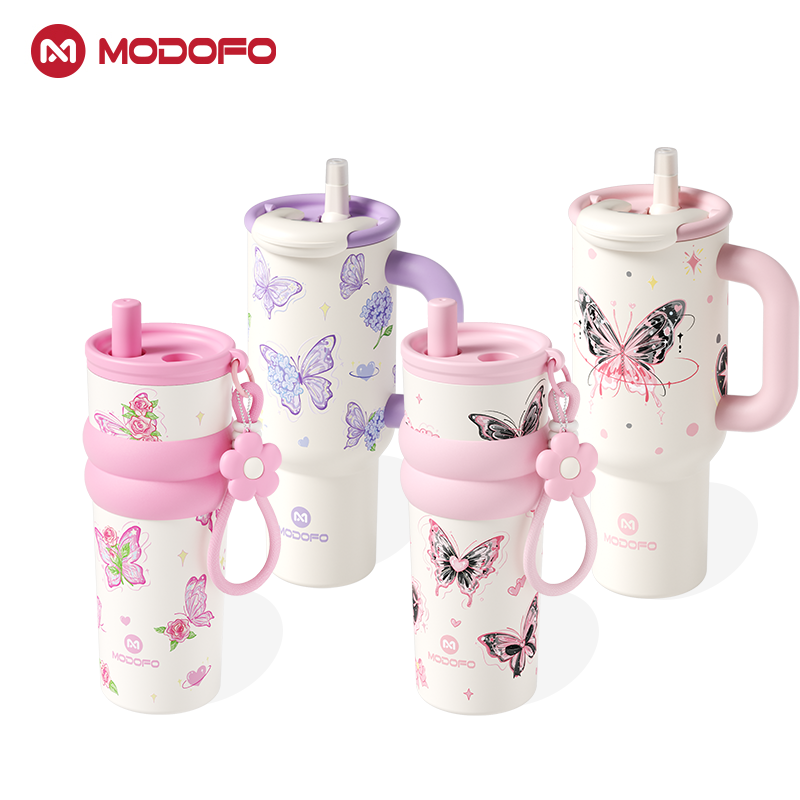
When access to water is inconvenient—poorly placed containers, awkward lids, difficult cleaning—people drink less without realizing why. Small improvements remove friction: better placement, easier opening, containers that fit into daily movement patterns.
Improved hydration is rarely the result of discipline alone. It is often the result of environment design.
Quiet Improvements That Reduce Noise
Noise is one of the most overlooked sources of daily stress. Slamming doors, rattling drawers, vibrating appliances—all contribute to background tension.
Small noise-reducing upgrades, such as soft-close mechanisms, anti-slip pads, or vibration dampening, significantly change how a home feels. The space becomes calmer without becoming silent.
Quiet homes feel more controlled and intentional, even if nothing visible has changed.
Lowering Maintenance Burden
An upgrade that requires frequent maintenance often becomes a burden rather than a benefit.
Items that are easier to clean, dry quickly, or resist buildup save time and reduce frustration. Over months and years, these savings compound.
Low-maintenance upgrades do not advertise themselves. They simply stop demanding attention.
Efficiency Improvements With Daily Payoff
Efficiency upgrades are often framed around savings, but their real value is consistency.
Small improvements that reduce waste or energy use without changing habits—better insulation in specific areas, more efficient fixtures, improved sealing—improve comfort while quietly reducing consumption.
The best efficiency upgrades are invisible in daily routines.
Improving Transitions and Routines
Certain moments repeat every day: leaving the house, coming home, preparing for sleep, starting the morning. Small improvements in these transitions have outsized impact.
Better organization near entryways, improved lighting in transitional spaces, and clearer placement of essential items reduce friction at key moments. These changes lower stress when time and attention are limited.
Designing for transitions improves flow.
Why These Improvements Feel Invisible
One reason small upgrades are undervalued is that people quickly adapt to them. Once friction is removed, it is forgotten.
This invisibility is a sign of success. The home no longer demands attention. It supports life quietly in the background.
People often realize the value of these changes only when they leave the space and encounter friction again.
Small Upgrades as Long-Term Investments
Small home upgrades rarely impress visitors. Their value is personal and cumulative.
Over time, they reduce fatigue, irritation, and mental load. They make routines smoother and spaces calmer. They improve quality of life without requiring ongoing effort.
The best home improvements are the ones you stop noticing—because life simply feels easier.
Conclusion: Designing Comfort Into the Background
A comfortable home is not defined by dramatic gestures. It is defined by how well it supports daily life.
Small upgrades matter because daily life is made of small moments. Improving those moments, quietly and consistently, creates lasting satisfaction.
The most effective home upgrades do not announce themselves. They work in the background, improving life one routine at a time.