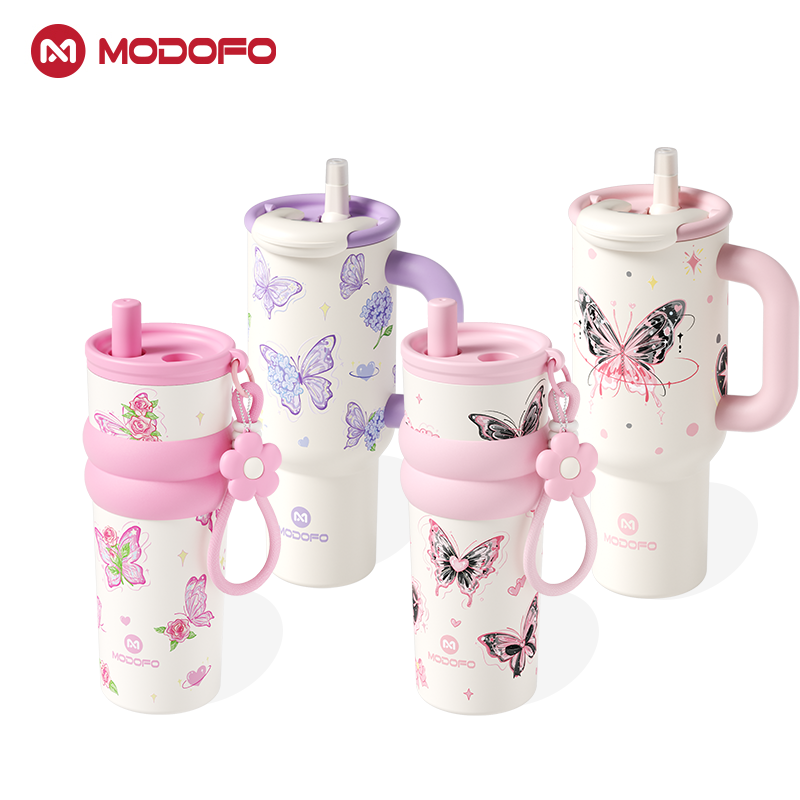


Introduction: Clean Doesn’t Always Mean Safe
A stainless steel water bottle is often seen as a cleaner, safer alternative to plastic. It doesn’t stain easily, doesn’t retain flavors as quickly, and feels more durable. But here’s the reality most users overlook:

A bottle that looks clean isn’t necessarily hygienic.
Over time, even the highest-quality stainless steel bottles can develop:
- Lingering odors from coffee, tea, or protein drinks
- Hidden bacteria buildup in lids and seals
- Moisture-related mold in hard-to-reach areas
And the impact goes beyond taste. Poor cleaning habits can affect your health, your drinking experience, and even the lifespan of your bottle.
This guide breaks down exactly how to clean a stainless steel water bottle properly—step by step—so it stays fresh, safe, and built to last.
Why Proper Cleaning Matters
Before diving into methods, it’s important to understand why cleaning isn’t optional maintenance—it’s part of daily use.
1. Hygiene: The Hidden Risk
Water bottles create a moist, enclosed environment, which is ideal for bacteria growth. Add in sugars from drinks, saliva contact, or warm temperatures, and you have a perfect breeding ground.
Without proper cleaning:
- Bacteria can accumulate within 24–48 hours
- Mold can develop in lids and seals
- Odors signal microbial activity
2. Performance: Taste and Experience
A poorly cleaned bottle affects how your drink tastes:
- Water starts tasting stale
- Coffee or tea flavors linger
- Electrolyte or protein residue builds up
Even if the bottle is structurally sound, the user experience degrades quickly.
3. Durability: Extending Product Life
Improper cleaning can actually shorten your bottle’s lifespan:
- Harsh chemicals can damage internal surfaces
- Scrubbing with abrasive tools may scratch protective layers
- Neglected seals can degrade faster
Consistent, proper cleaning = longer usable life + better performance
Common Cleaning Mistakes (And Why They Matter)
Many users believe they’re cleaning their bottles correctly—but small mistakes can lead to long-term issues.
Mistake 1: Rinsing with Water Only
Quick rinses remove visible residue but do nothing against bacteria or oils.
👉 Result: Odor buildup and bacterial growth
Mistake 2: Not Cleaning Daily
Especially after coffee, tea, or gym use.
👉 Result: Residue accumulation and harder-to-remove stains
Mistake 3: Ignoring the Lid and Straw
These areas trap moisture and are harder to clean.
👉 Result: Hidden mold and unpleasant smells
Mistake 4: Using Harsh Chemicals
Bleach or strong cleaners can damage materials and leave residues.
👉 Result: Material degradation + safety concerns
Mistake 5: Not Drying Properly
Closing a damp bottle creates a humid environment.
👉 Result: Mold growth inside the bottle
Step-by-Step Guide: How to Clean Your Bottle Properly
This is the core process—simple, repeatable, and effective.
1. Daily Cleaning Routine (Essential Habit)
Best for: Everyday use
What you need:
- Warm water
- Mild dish soap
- Bottle brush (soft bristles)
Steps:
- Fill the bottle with warm water
- Add a few drops of mild soap
- Use a bottle brush to scrub the interior
- Clean the mouth and threading areas carefully
- Rinse thoroughly with clean water
👉 Key insight: Mechanical cleaning (scrubbing) is just as important as soap
2. Deep Cleaning Method (Weekly Reset)
Best for: Removing buildup and odors
Method A: Baking Soda Solution
- Add 1–2 teaspoons of baking soda
- Fill with warm water
- Let sit for 1–2 hours
- Scrub and rinse thoroughly
👉 Effective for odor removal and mild residue
Method B: Vinegar Rinse
- Mix equal parts vinegar and water
- Let sit for 10–15 minutes
- Rinse thoroughly
👉 Ideal for breaking down mineral deposits and bacteria
Optional Natural Boost: Lemon
- Add lemon slices with warm water
- Let sit for freshness and light cleaning
👉 Adds a natural deodorizing effect
3. Cleaning Lids, Straws, and Seals (Critical Step)
Most hygiene issues come from these overlooked components.
Steps:
- Disassemble all removable parts
- Use a small brush for straws and tight spaces
- Wash with warm soapy water
- Rinse thoroughly
- Let each part dry separately
👉 Pay special attention to:
- Silicone seals
- Flip lids
- Straw interiors
4. Drying Properly (Non-Negotiable Step)
Cleaning is incomplete without proper drying.
Best practices:
- Air dry upside down
- Keep the bottle open
- Store in a well-ventilated area
👉 Never seal a damp bottle
How to Remove Odors from a Water Bottle
Odor is one of the most common user complaints—and one of the most fixable.
Common Causes
- Coffee or tea residue
- Protein shakes
- Sugary drinks
- Infrequent cleaning
Effective Solutions
1. Baking Soda Soak
- Neutralizes odors naturally
2. Vinegar Treatment
- Breaks down odor-causing bacteria
3. Lemon Refresh
- Adds a fresh scent and mild acidity
👉 Pro tip:
If odor persists, repeat the process and ensure the lid and seals are also cleaned thoroughly.
How Often Should You Clean Your Bottle?
Consistency matters more than intensity.
Recommended Cleaning Frequency:
- Daily use (water): Clean every day
- Coffee / flavored drinks: Clean after each use
- Gym use: Clean daily + deep clean weekly
- Occasional use: Clean before reuse
Simple Rule to Remember:
If you used it today, clean it today.
Maintenance Tips to Extend Bottle Lifespan
Cleaning is just one part of keeping your bottle in optimal condition.
1. Avoid Abrasive Tools
Steel wool or hard brushes can damage surfaces.
2. Protect the Insulation
Dropping the bottle may affect vacuum insulation performance.
3. Check Seals Regularly
Worn seals can lead to leaks and hygiene issues.
4. Store It Properly
Keep the bottle dry and open when not in use.
👉 Insight:
Good maintenance habits reduce the need for aggressive cleaning later
Why Bottle Design Matters More Than You Think
Not all bottles are equally easy to clean—and this has a direct impact on long-term usability.
Key Design Features That Improve Cleaning:
-
Wide-mouth openings
→ Easier access for scrubbing -
Simple internal structure
→ Fewer areas for residue buildup -
Removable components
→ Better hygiene for lids and straws -
High-quality stainless steel
→ Resists staining and odor retention
From a user experience perspective, a well-designed bottle doesn’t just perform better—it reduces friction in daily maintenance.
That’s why modern drinkware design increasingly focuses not just on insulation or aesthetics, but on ease of cleaning as a core feature.
Conclusion: Clean Bottle, Better Experience
Cleaning your stainless steel water bottle isn’t just about hygiene—it’s about maintaining the full value of what you’re using every day.
A properly cleaned bottle:
- Keeps your drinks fresh
- Protects your health
- Lasts significantly longer
More importantly, it turns hydration into a consistently positive experience.
The real shift is simple:
Cleaning shouldn’t be treated as an extra step—it should be part of how the product is designed and used.
References
- CDC – Hygiene and sanitation guidelines
- NSF International – Home hygiene recommendations
- Healthline – Cleaning reusable water bottles
- Good Housekeeping – Bottle cleaning tips
- WebMD – Bacteria in reusable containers