

Introduction: It’s Not Just a Bottle Anymore
There was a time when drinkware was almost invisible.
A water bottle was just… a bottle. A coffee mug was something you grabbed without thinking. Function came first, and that was pretty much the end of the story.
But somewhere along the way, that changed.
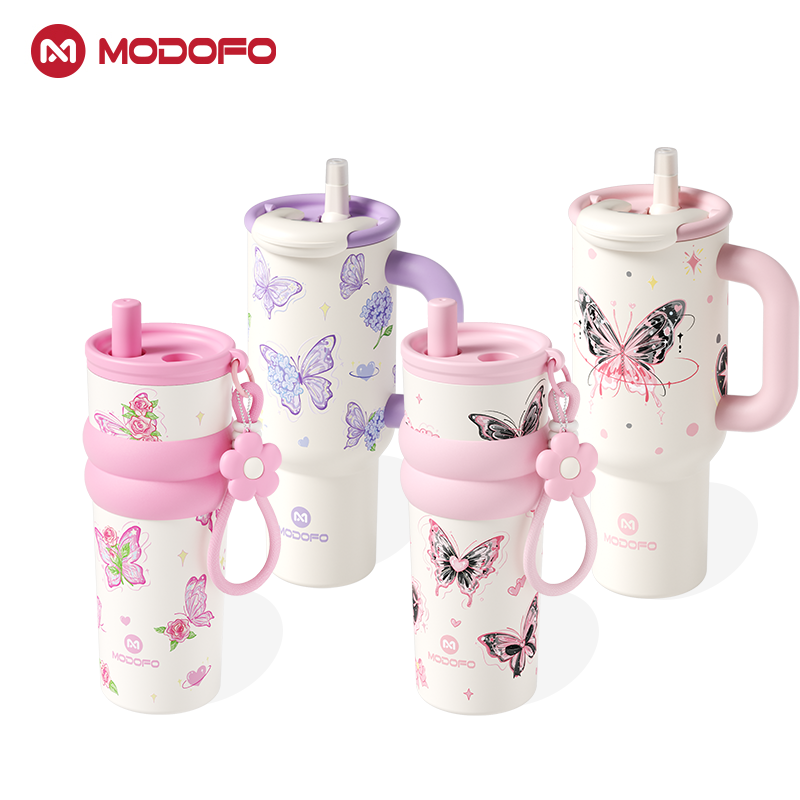
Today, people don’t just carry water bottles—they choose them. They match them to their routines, their environments, even their preferences in design. Some go for minimal stainless steel. Others prefer bold colors or oversized tumblers that stand out.
It’s subtle, but it’s everywhere.
Drinkware is no longer just something you use.
It’s something you carry—and that difference matters.
Why Drinkware Became So Visible in Daily Life
Unlike many everyday objects, drinkware is almost always in sight.
Think about a typical day:
- It sits next to your laptop while you work
- It goes with you to the gym
- It’s in your hand during commutes
- It shows up in cafes, meetings, even travel photos
Few products move through so many environments with you.
And visibility changes everything.
When something is constantly present, it naturally becomes part of how people see you—or at least, how you present yourself in small ways.
A phone case does this. Shoes do this. Backpacks do this.
Now, water bottles do it too.
The Rise of Everyday Lifestyle Objects
There’s a broader shift happening behind all of this.
Consumers are no longer just buying products for function. They’re building systems around how they live.
Items that were once purely practical have become lifestyle objects:
- sneakers
- desk setups
- headphones
- reusable bottles
These are things people interact with every day. They’re not occasional purchases—they’re constant companions.
And because of that, they start to carry meaning beyond their basic purpose.
A water bottle isn’t just about hydration anymore. It’s about how you hydrate, where you carry it, and what it looks like while you do it.
Design Is No Longer Secondary
If you compare drinkware from ten or fifteen years ago to what’s available now, the difference is obvious.
Earlier designs were often generic:
- basic shapes
- limited color choices
- little attention to detail
Now, design is a major factor.
You’ll see:
- matte finishes vs glossy surfaces
- neutral tones vs bold colors
- clean minimal shapes vs more expressive designs
Even material choices—like stainless steel vs transparent plastic—carry a certain visual identity.
This shift didn’t happen by accident.
As drinkware became more visible in daily life, design became part of the value—not just an extra feature.
Social Media Made Everyday Objects More Important
It’s hard to ignore the role of social media here.
Platforms built around daily life—whether it’s short videos, fitness content, or workspace setups—have made small details more noticeable.
A water bottle on a desk isn’t just background anymore. It’s part of the frame.
You see it in:
- productivity setups
- gym routines
- “day in my life” content
- travel clips
Over time, these repeated visuals shape expectations.
People start noticing what others are using. Certain styles become recognizable. Some designs become associated with specific lifestyles—fitness-focused, minimalist, aesthetic, practical.
And without realizing it, people start choosing drinkware not just for function, but for how it fits into that visual context.
Personal Style Shows Up in Small Choices
Not everyone is trying to make a statement with their water bottle.
But that doesn’t mean it isn’t saying something.
Personal style often shows up in small, consistent decisions:
- neutral vs colorful
- compact vs oversized
- simple vs feature-heavy
Someone who prefers clean, minimal design might choose a matte stainless steel tumbler with no visible branding. Someone else might go for a larger, more expressive bottle with a handle and bold color.
Neither is “right” or “wrong.”
But they reflect different preferences—and over time, those preferences form patterns.
That’s essentially what personal style is.
The Psychology of Carrying the Same Bottle
There’s also a behavioral layer that doesn’t get talked about much.
When people use the same bottle every day, something interesting happens.
It becomes familiar.
You know how it feels in your hand. You know how much it holds. You don’t think about how to use it—it just works.
This consistency builds a kind of quiet attachment.
It’s similar to:
- wearing the same watch
- using the same bag
- sticking with the same pair of headphones
The object becomes part of your routine—not in a dramatic way, but in a stable, reliable one.
And that stability is part of what gives it meaning.
Function Still Matters—Maybe More Than Ever
With all this talk about style, it’s easy to assume that function has become less important.
If anything, the opposite is true.
Because people rely on their bottles more consistently, they expect more from them.
A bottle that looks good but performs poorly doesn’t last long in daily use.
Key expectations include:
- reliable insulation
- durability over time
- ease of cleaning
- comfortable drinking experience
In other words, style might attract attention—but performance keeps the product in use.
The best drinkware today isn’t just aesthetic. It works well, every time.
One Bottle, One Routine, One Identity
Another shift worth noticing is the move toward owning fewer, better items.
Instead of rotating between multiple bottles, many people now prefer to rely on one that fits most of their daily needs.
This creates a stronger connection between user and product.
The bottle becomes part of:
- morning routines
- workdays
- workouts
- travel habits
It’s not just something you grab occasionally. It’s something you carry everywhere.
And that consistency reinforces identity, even if it’s subtle.
Where Product Design Meets Lifestyle Fit
At this point, the line between product design and lifestyle becomes blurry.
A well-designed tumbler isn’t just technically good—it fits into real life without friction.
That means:
- it’s easy to carry
- it works across different environments
- it doesn’t require constant adjustment
Some modern drinkware brands have started to focus on this idea more intentionally—designing products that don’t just perform well, but integrate naturally into everyday routines.
Not in an obvious way. More like something you don’t have to think about.
And that’s usually a good sign.
The Future: Drinkware as Part of Identity Design
Looking ahead, this trend is unlikely to reverse.
If anything, drinkware will continue to move closer to identity-driven design.
We’re likely to see:
- more customizable options
- designs tailored to specific lifestyles (fitness, work, travel)
- stronger alignment between function and personal preference
At the same time, expectations will rise.
People won’t just ask:
“Does this bottle work?”
They’ll also ask:
“Does this fit my routine?”
“Does this match how I live?”
That’s a different kind of decision-making process.
Conclusion: More Than What You Carry
A water bottle is still, at its core, a practical object.
It holds water. It helps you stay hydrated. That hasn’t changed.
But the role it plays in daily life has evolved.
It’s visible. It’s consistent. It moves with you through different parts of your day.
And because of that, it becomes part of something bigger—not just function, but habit, preference, and yes, even style.
Not in an obvious or forced way.
Just in the small details.
And sometimes, that’s where personal style shows up the most.