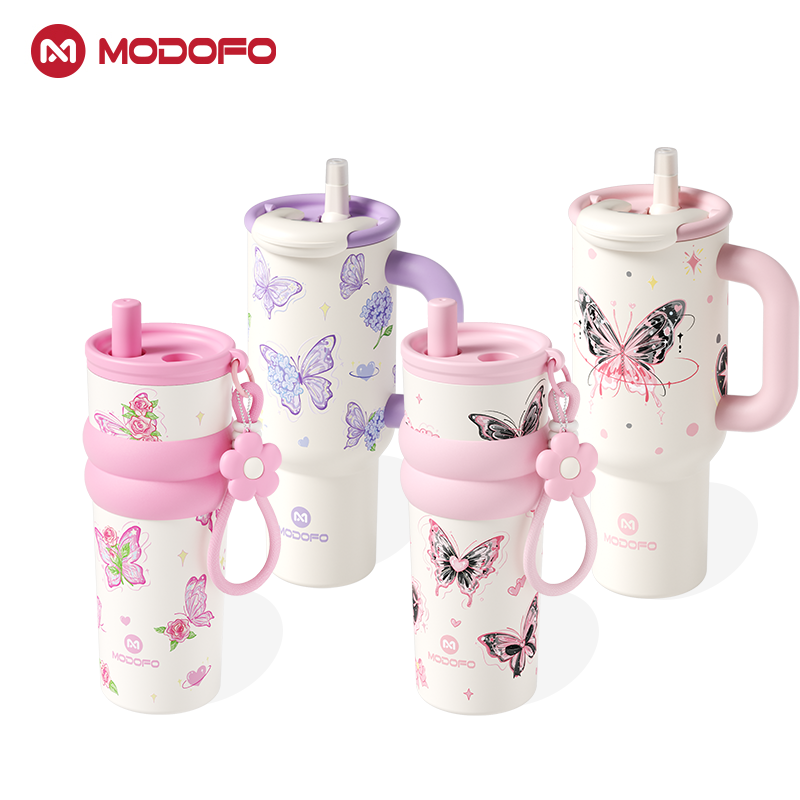


Pendahuluan: Mengapa Ada Begitu Banyak Jenis Peralatan Minum
Sekilas, pasar peralatan minum modern terasa sangat rumit. Mulai dari botol dan tumbler berinsulasi hingga peralatan minum kaca dan cangkir keramik, varietasnya tampak berlebihan untuk tujuan sederhana: menampung cairan.
Namun keragaman ini bukan tanpa sengaja.
Setiap jenis peralatan minum hadir sebagai respons terhadap kombinasi spesifik kondisi dunia nyata—suhu, portabilitas, komposisi cairan, dan perilaku pengguna. Botol yang dirancang untuk hidrasi di gym memecahkan masalah yang berbeda dengan cangkir yang dirancang untuk kopi, meskipun keduanya secara teknis memiliki fungsi yang sama.
Ini mengarah pada pergeseran perspektif yang penting:
Jenis peralatan minum tidak ditentukan oleh desain—melainkan ditentukan oleh kasus penggunaan.
Memahami perbedaan ini memungkinkan pengguna untuk bergerak melampaui keputusan estetika atau berdasarkan merek dan malah memilih peralatan minum berdasarkan keselarasan fungsional dengan kebiasaan sehari-hari.
1. Kerangka Kerja Fungsional untuk Memahami Peralatan Minum
Sebelum menjelajahi kategori individual, ada baiknya untuk membuat kerangka kerja yang menjelaskan mengapa berbagai jenis peralatan minum ada.
Peralatan minum dapat dievaluasi berdasarkan empat dimensi utama:
1.1 Kontrol Suhu
Beberapa peralatan minum dirancang untuk menjaga panas atau dingin dalam jangka waktu yang lama, sementara yang lain mengutamakan konsumsi segera.
- Insulasi tinggi → Cocok untuk penggunaan jangka panjang
- Insulasi rendah → Lebih baik untuk minuman yang sensitif terhadap rasa
1.2 Portabilitas
Portabilitas menentukan seberapa mudah wadah terintegrasi dengan pergerakan:
- Ringan, tahan lama → Ideal untuk kegiatan luar ruangan dan bepergian
- Rapuh atau besar → Lebih cocok untuk lingkungan yang tidak bergerak
1.3 Kompatibilitas Cairan
Minuman yang berbeda berinteraksi dengan bahan yang berbeda pula:
- Kopi → Minyak + keasaman ringan
- Susu → Protein + lemak
- Minuman berkarbonasi → Asam + tekanan
- Air → Garis dasar netral
1.4 Kompleksitas Perawatan
Kemudahan pembersihan dan pengeringan sangat bervariasi:
- Struktur sederhana → Perawatan rendah
- Tutup yang rumit atau bukaan sempit → Usaha yang lebih tinggi
Wawasan Utama
Setiap jenis peralatan minum merepresentasikan keseimbangan yang berbeda dari keempat variabel ini. Tidak ada solusi universal—hanya pertukaran yang dioptimalkan.
2. Jenis Utama Peralatan Minum dan Penggunaan Praktisnya
2.1 Botol Berinsulasi (Termos Vakum)
Botol berinsulasi merupakan salah satu jenis peralatan minum yang paling banyak digunakan, terutama untuk perjalanan sehari-hari dan penggunaan di luar ruangan.
Kasus Penggunaan Utama
- Kopi selama perjalanan panjang
- Air panas untuk jangka waktu yang lama
- Minuman dingin di iklim hangat
Kelebihan
- Retensi suhu yang sangat baik
- Tahan lama dan mudah dibawa
- Cocok untuk penggunaan jangka panjang
Keterbatasan
- Cenderung menahan bau jika digunakan dengan kopi atau susu
- Bukaan sempit dapat menyulitkan pembersihan
- Tidak ideal untuk sering berganti minuman
Wawasan Praktis
Botol berinsulasi dioptimalkan untuk konsistensi seiring waktu, bukan fleksibilitas. Botol ini bekerja paling baik jika didedikasikan untuk satu jenis minuman.
2.2 Botol Plastik (Tritan / Botol Olahraga)
Botol plastik, terutama yang terbuat dari Tritan, dirancang untuk mobilitas dan kenyamanan.
Kasus Penggunaan Utama
- Aktivitas gym dan olahraga
- Hidrasi jangka pendek
- Dibawa sehari-hari untuk air
Kelebihan
- Ringan dan tahan benturan
- Mudah dibawa dan digunakan
- Seringkali memiliki bukaan lebar untuk akses cepat
Keterbatasan
- Cenderung lebih mudah menahan bau seiring waktu
- Kurang cocok untuk minuman panas
- Dapat menyerap rasa dari cairan yang kompleks
Wawasan Praktis
Botol plastik paling baik untuk penggunaan frekuensi tinggi, kompleksitas rendah, terutama ketika daya tahan dan berat lebih penting daripada netralitas rasa.
2.3 Peralatan Minum Kaca
Kaca tetap menjadi salah satu bahan paling stabil secara kimia yang digunakan dalam peralatan minum.
Kasus Penggunaan Utama
- Lingkungan rumah dan kantor
- Kopi dan teh
- Minuman yang sensitif terhadap rasa
Kelebihan
- Profil rasa yang benar-benar netral
- Mudah dibersihkan dan dirawat
- Tidak menahan bau
Keterbatasan
- Rapuh dan kurang portabel
- Kemampuan insulasi terbatas
- Lebih berat dibandingkan plastik
Wawasan Praktis
Kaca mengutamakan kemurnian pengalaman daripada kepraktisan, menjadikannya ideal untuk lingkungan yang terkontrol daripada penggunaan saat bepergian.
2.4 Cangkir dan Mug Keramik
Peralatan minum keramik sangat erat kaitannya dengan budaya kopi dan teh.
Kasus Penggunaan Utama
- Konsumsi kopi dan teh
- Lingkungan dalam ruangan
- Penggunaan jangka pendek
Kelebihan
- Retensi rasa yang sangat baik
- Pengalaman minum yang nyaman
- Stabil dan mudah dibersihkan
Keterbatasan
- Tidak ada retensi suhu
- Tidak cocok untuk transportasi
- Dapat terkelupas atau retak jika terbentur
Mengapa Ini Penting
Keramik banyak digunakan di kafe karena menjaga profil rasa minuman yang diinginkan, terutama kopi. Berbeda dengan logam atau plastik, keramik tidak mengganggu aroma atau rasa.
2.5 Tumbler (Gelas Travel)
Tumbler dirancang sebagai solusi hibrida antara portabilitas dan kegunaan.
Kasus Penggunaan Utama
- Kopi untuk dibawa pulang
- Transisi dari kantor ke perjalanan
- Penggunaan minuman jangka pendek hingga menengah
Kelebihan
- Keseimbangan antara insulasi dan aksesibilitas
- Pengalaman minum yang lebih mudah dibandingkan botol
- Seringkali lebih ergonomis
Keterbatasan
- Kompleksitas tutup dapat meningkatkan kesulitan pembersihan
- Performa penyegelan yang bervariasi
- Mungkin tidak mempertahankan suhu selama termos vakum
Wawasan Praktis
Tumbler dioptimalkan untuk kenyamanan dan aksesibilitas, bukan performa maksimal.
2.6 Peralatan Minum Khusus
Beberapa jenis peralatan minum dirancang untuk kasus penggunaan yang sangat spesifik:
- Gelas anggur meningkatkan pelepasan aroma dan rasa
- Gelas koktail mengoptimalkan presentasi dan pengalaman
- Shaker protein mengintegrasikan mekanisme pencampuran
Peran dalam Ekosistem
Meskipun bukan bagian dari hidrasi sehari-hari, bentuk-bentuk khusus ini menunjukkan bagaimana desain beradaptasi dengan perilaku cairan dan niat pengguna.
3. Menyesuaikan Peralatan Minum dengan Skenario Kehidupan Nyata
Memahami jenis-jenis peralatan minum hanya berguna jika mengarah pada keputusan yang lebih baik.
3.1 Hidrasi Harian
Direkomendasikan:
- Botol plastik
- Botol stainless steel sederhana
Prioritas Utama:
Kemudahan penggunaan dan pembersihan
3.2 Kopi dan Minuman Sensitif Rasa
Direkomendasikan:
- Gelas
- Keramik
- Interior berlapis
Hindari:
- Plastik
- Penggunaan jangka panjang pada stainless steel standar
3.3 Olahraga dan Penggunaan di Luar Ruangan
Direkomendasikan:
- Plastik (Tritan)
- Stainless steel
Prioritas Utama:
Ketahanan dan portabilitas
3.4 Susu dan Minuman Berbahan Dasar Susu
Direkomendasikan:
- Gelas
- Interior berlapis keramik
Prioritas Utama:
Kemudahan pembersihan dan pencegahan bau
Poin Utama
Peralatan minum yang tepat tidak ditentukan oleh kualitas saja, tetapi oleh keselarasan kontekstual dengan penggunaan.
4. Mengapa Menggunakan Peralatan Minum yang Salah Menimbulkan Masalah
Banyak masalah umum berasal dari penggunaan yang tidak sesuai:
- Menggunakan botol olahraga untuk kopi → bau yang tertinggal
- Menyimpan susu dalam botol berinsulasi → sulit dibersihkan
- Beralih antara beberapa cairan dalam satu wadah → kontaminasi rasa
Wawasan Inti
Sebagian besar masalah peralatan minum tidak disebabkan oleh produk yang buruk, tetapi oleh pola penggunaan yang salah.
5. Bahan vs Jenis: Mana yang Lebih Penting?
Pertanyaan umum dalam pemilihan peralatan minum adalah apakah bahan atau jenis yang lebih penting.
Bahan Menentukan Perilaku
- Retensi panas
- Interaksi kimia
- Ketahanan
Jenis Menentukan Kesesuaian
- Kompatibilitas kasus penggunaan
- Pengalaman pengguna
- Persyaratan perawatan
Kesimpulan
Jenis menentukan apakah suatu produk cocok untuk hidup Anda. Bahan menentukan bagaimana produk tersebut berperilaku dalam kecocokan itu.
6. Tren Baru dalam Desain Peralatan Minum (Logika Merek Ringan)
Seiring dengan berkembangnya ekspektasi pengguna, desain peralatan minum bergeser ke arah pengurangan gesekan dalam penggunaan sehari-hari.
Tren utama meliputi:
- Interior berlapis keramik untuk netralitas rasa yang lebih baik
- Desain hibrida yang menyeimbangkan insulasi dan kemudahan pembersihan
- Struktur mulut lebar untuk perawatan yang lebih baik
- Tutup yang disederhanakan untuk mengurangi area residu tersembunyi
Inovasi ini mencerminkan pergeseran yang lebih luas:
Dari memaksimalkan fitur tunggal → hingga mengoptimalkan kegunaan keseluruhan seiring waktu.
Peralatan minum yang dirancang dengan baik tidak menghilangkan kompromi, tetapi mengurangi usaha yang dibutuhkan untuk mengelolanya.
7. Poin-Poin Penting
- Tidak ada peralatan minum "terbaik" yang universal
- Setiap jenis ada untuk memecahkan kasus penggunaan tertentu
- Ketidaksesuaian antara penggunaan dan jenis menyebabkan sebagian besar masalah
- Kompleksitas perawatan harus memengaruhi keputusan pembelian
- Desain yang lebih sederhana seringkali memberikan pengalaman jangka panjang yang lebih baik
Kesimpulan: Memilih Peralatan Minum yang Tepat Adalah Tentang Kesesuaian, Bukan Fitur
Memilih peralatan minum bukan tentang menemukan bahan paling canggih atau desain paling populer.
Ini tentang memahami:
- Bagaimana Anda menggunakan botol Anda
- Apa yang paling sering Anda minum
- Berapa banyak usaha yang bersedia Anda keluarkan untuk perawatan
Ketika faktor-faktor ini selaras, bahkan botol sederhana pun dapat memberikan pengalaman yang baik secara konsisten seiring waktu.
Ketika tidak, bahkan produk paling premium pun pada akhirnya akan terasa tidak nyaman.
Peralatan minum terbaik bukanlah yang memiliki fitur terbanyak—melainkan yang menyatu dengan mulus ke dalam rutinitas harian Anda.
Referensi & Sumber Pendukung
Artikel ini diinformasikan oleh penelitian dan data industri yang telah terbukti tentang perilaku material dan keamanan kontak makanan:
- U.S. Food & Drug Administration (FDA) – Pedoman Keamanan Bahan Kontak Makanan
- European Food Safety Authority (EFSA) – Kerangka Kerja Bahan Kontak Makanan
- International Stainless Steel Forum (ISSF) – Sifat-sifat Stainless Steel
- Eastman Chemical Company – Data Teknis Tritan™ Copolyester
- Journal of Food Engineering – Studi retensi bau dan interaksi permukaan
- ASTM International Standards – Ketahanan dan pengujian material
- World Health Organization (WHO) – Pedoman keamanan pangan dan material