
Understanding Humidity, Sweat, Body Comfort, and Everyday Energy in Tropical Climates
There are certain days when the air itself feels heavy.
You wake up already feeling warm. Your clothes begin sticking to your skin only minutes after getting dressed. Even after showering, the fresh feeling disappears quickly. The room feels warm despite the fan running. Your skin feels damp, your energy feels slower, and by afternoon everything becomes slightly uncomfortable.
For people living in tropical countries such as Malaysia, Singapore, Indonesia, Thailand, and the Philippines, this experience is incredibly familiar.
And yet, many people do not fully understand why humid weather creates such a strong physical and emotional effect.
Humidity is often treated like a simple weather condition.
But in reality, it changes how the human body functions throughout the day.
It affects:
- body temperature
- sweating
- skin comfort
- sleep quality
- mood
- energy
- concentration
- home comfort
- hydration habits
Over time, humid weather quietly shapes daily life far more than most people realize.
What Is Humidity, Really?
Most people focus mainly on temperature.
But temperature alone does not determine comfort.
Humidity refers to the amount of moisture present in the air.
The higher the humidity, the more water vapor the air already contains.
This matters because the body relies heavily on evaporation to cool itself down.
When sweat evaporates from the skin, heat leaves the body.
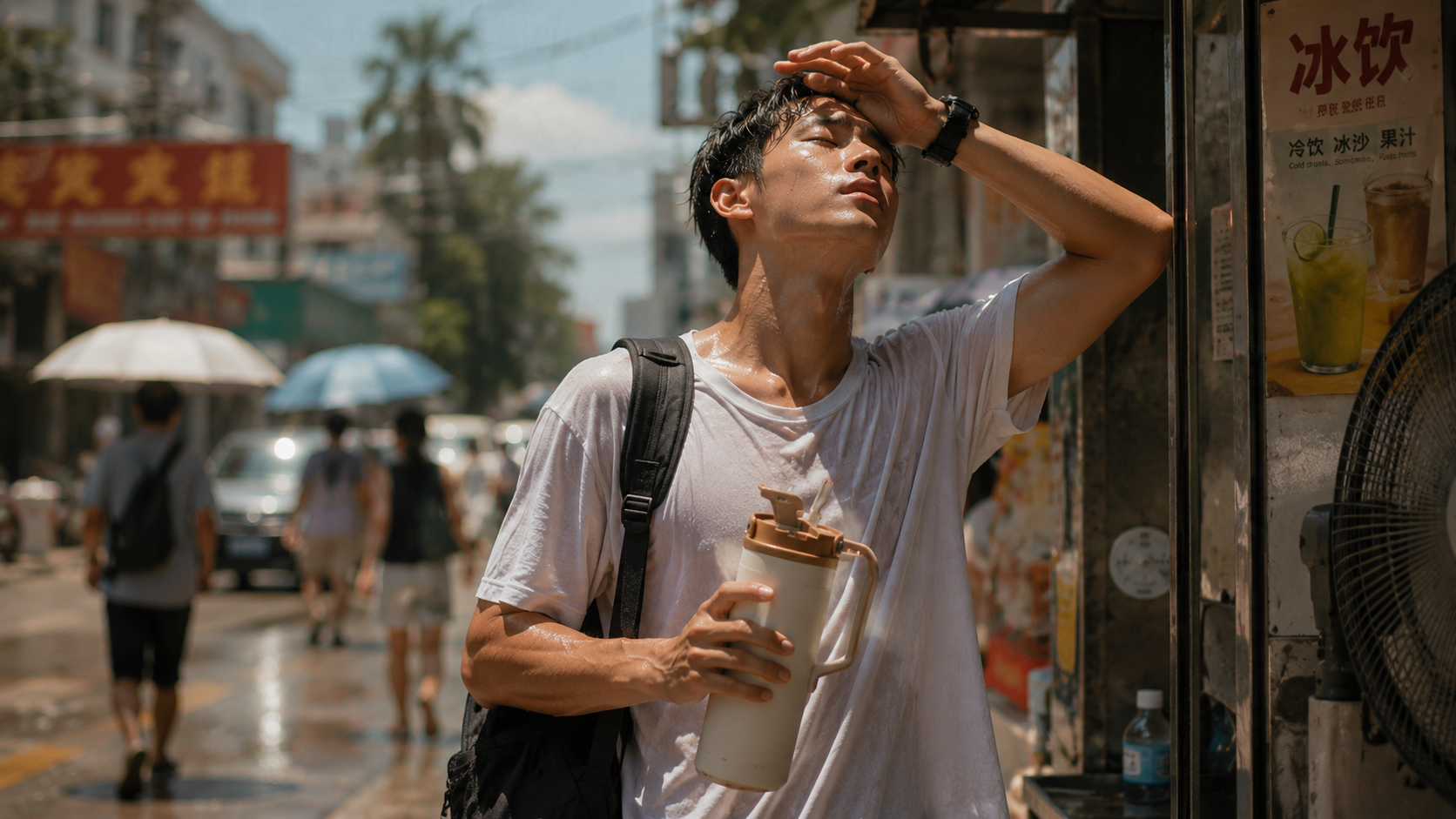
But when the air is already full of moisture, evaporation becomes slower and less efficient.
As a result:
- sweat stays on the skin longer
- heat becomes trapped near the body
- cooling becomes more difficult
- the body feels hotter than the actual temperature
This is why humid weather often feels more exhausting than dry heat.
A humid 32°C afternoon can sometimes feel far more uncomfortable than a dry 38°C environment.
The body simply struggles to release heat effectively.
Why Humid Weather Makes You Feel Sticky All Day
The “sticky” feeling people experience in humid weather is not just psychological.
It is a direct physical response caused by several overlapping factors.
Sweat Cannot Evaporate Properly
This is the biggest reason.
In dry climates, sweat evaporates quickly.
In humid climates, sweat remains on the skin because the air cannot absorb much more moisture.
This creates the sensation of:
- damp skin
- wet clothing
- heavy body feeling
- constant discomfort
The body continues sweating, but cooling becomes less effective.
So people end up feeling both hot and wet at the same time.
The Air Itself Feels Heavy
Humidity changes how the air feels against the skin.
In highly humid environments, the atmosphere can feel dense and oppressive.
Many people describe it as:
- “thick air”
- “heavy air”
- “hard to breathe comfortably”
This sensation increases fatigue because the body constantly feels surrounded by warmth and moisture.
Clothing Makes a Huge Difference
Certain fabrics trap heat and moisture more easily.
Synthetic materials with poor airflow can worsen:
- sweat buildup
- skin irritation
- body heat retention
This is why breathable fabrics become extremely important in tropical climates.
Materials such as:
- cotton
- linen
- lightweight natural fibers
often feel significantly more comfortable during humid weather.
Modern tropical lifestyle trends increasingly focus on breathable comfort for exactly this reason.
Skin Oils and Sweat Create Additional Discomfort
Humidity also affects how skin behaves throughout the day.
Sweat mixes with natural oils on the skin surface.
This combination creates:
- oily feeling
- stickiness
- clogged sensation
- discomfort after outdoor exposure
This is especially noticeable in cities where pollution and dust further increase the feeling of heaviness on the skin.
Why Humid Weather Makes You Feel Tired
Humidity does not only affect comfort.
It also affects energy.
When the body struggles to cool itself efficiently, it must work harder internally.
This means:
- circulation increases
- heart rate rises
- sweating intensifies
- fluid loss increases
All of these processes consume energy.
This is why people often feel exhausted during humid weather even without intense physical activity.
Simple daily activities like:
- commuting
- shopping
- cleaning
- walking outdoors
- working in crowded areas
can become surprisingly draining.
The body is continuously under environmental stress.
Why Humidity Creates Mental Fatigue
Physical discomfort eventually becomes mental fatigue.
When people remain uncomfortable for long periods, concentration naturally decreases.
Hot and humid environments often cause:
- slower thinking
- reduced patience
- lower motivation
- emotional irritability
- difficulty focusing
Many people experience what is commonly described as “brain fog.”
The mind feels slower and heavier.
Tasks that normally feel easy suddenly require more effort.
This becomes especially common during afternoons in tropical climates.
Modern Urban Life Makes Humid Weather Feel Worse
Today’s lifestyles often intensify environmental stress.
Modern city life includes:
- long commutes
- crowded transportation
- constant screen exposure
- poor sleep habits
- limited outdoor airflow
- irregular hydration
People constantly move between:
- hot outdoor temperatures
- heavily air-conditioned indoor spaces
This repeated temperature adjustment can place additional stress on the body.
Many office workers also spend hours in dry air-conditioned environments before stepping back into heavy outdoor humidity.
The body continuously adapts.
Over time, this becomes exhausting.
Why Sleep Quality Drops During Humid Weather
One of the most overlooked effects of humidity is poor sleep.
The body naturally lowers its temperature before deep sleep begins.
But humid environments interfere with this cooling process.
As a result, people may experience:
- difficulty falling asleep
- sweating at night
- shallow sleep
- waking up frequently
- feeling tired after sleeping
This creates long-term energy problems.
Even if someone technically sleeps enough hours, poor sleep quality reduces recovery efficiency.
In tropical regions, nighttime comfort becomes extremely important for overall wellbeing.
Why Tropical Homes Are Becoming More Comfort-Oriented
In many tropical countries, people are beginning to rethink how homes are designed.
Modern living is no longer only about appearance.
Comfort has become equally important.
People increasingly prioritize:
- airflow
- ventilation
- natural lighting
- cooling systems
- breathable materials
- calming interiors
- organized spaces
Minimal and breathable interior design styles continue growing partly because they help reduce sensory heaviness in humid climates.
Homes are becoming recovery spaces.
Not just functional spaces.
Why Hydration Matters More in Humid Climates
Humidity increases sweat loss significantly.
And many people underestimate how much fluid they lose throughout the day.
Even mild dehydration can affect:
- mood
- focus
- energy
- concentration
- physical endurance
The problem is that many people wait until they feel thirsty before drinking water.
But thirst is already a delayed signal.
This is why hydration habits matter so much in tropical climates.
Why Cold Drinks Feel So Refreshing
Cold beverages do more than reduce thirst.
They also create psychological relief.
A cold drink can provide:
- cooling sensation
- emotional comfort
- recovery feeling
- temporary relaxation
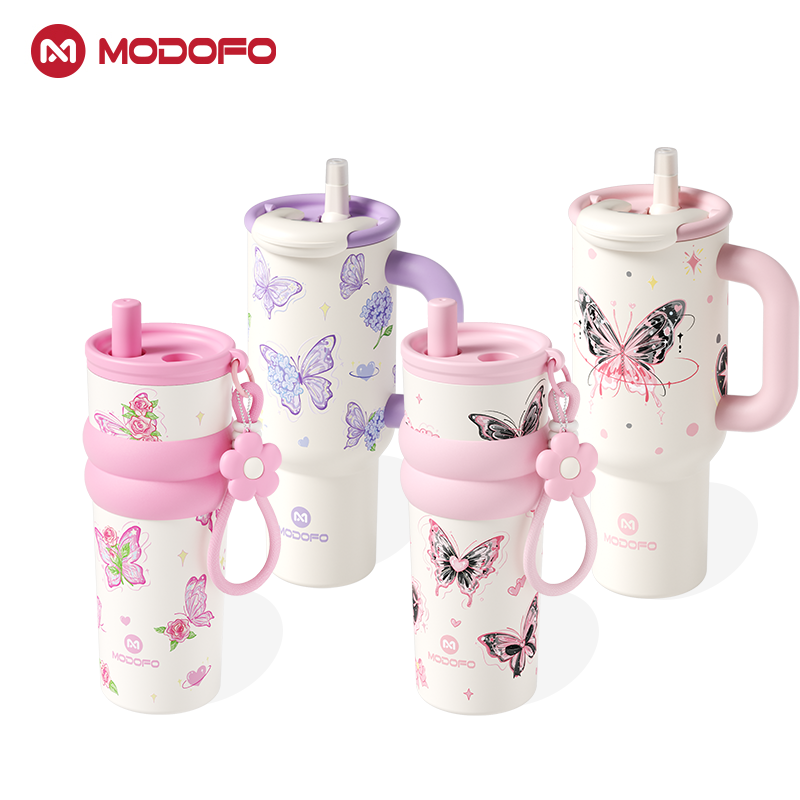
This is one reason insulated tumblers and cold drink bottles have become increasingly popular in modern tropical lifestyles.
People want drinks to stay refreshing longer throughout the day.
And small daily comforts matter more in hot climates.
At MODOFO, this idea connects closely with everyday living.
Drinkware is not only practical.
It becomes part of personal comfort, routine, and lifestyle quality.
Why “Feeling Fresh” Has Become a Modern Lifestyle Goal
Interestingly, modern lifestyle culture increasingly revolves around comfort and recovery.
People are beginning to value:
- calm environments
- slower evenings
- refreshing routines
- organized spaces
- comfortable homes
- intentional living
Especially in tropical cities where weather constantly drains energy, small forms of comfort become psychologically important.
This explains the rise of:
- home cafés
- iced drinks
- wellness spaces
- indoor plants
- slow living aesthetics
- breathable fashion
People are not simply chasing trends.
They are adapting to environmental stress in smarter ways.
How to Feel More Comfortable During Humid Weather
There is no way to remove humidity completely.
But small adjustments can dramatically improve daily comfort.
Maintain Consistent Hydration
Drink water regularly throughout the day instead of waiting until thirst appears.
Cold or insulated beverages often encourage more consistent hydration.
Choose Breathable Clothing
Natural lightweight fabrics help reduce heat retention and moisture buildup.
Loose-fitting clothing also improves airflow around the body.
Improve Indoor Airflow
Fans, ventilation, and open airflow help reduce trapped heat indoors.
Even small airflow improvements can significantly improve comfort.
Reduce Long Outdoor Exposure During Peak Heat
Afternoon humidity is often the most exhausting period of the day.
Short breaks indoors help reduce environmental fatigue.
Create Cooling Evening Routines
Simple routines can help the body recover:
- cool showers
- iced drinks
- tea
- soft lighting
- relaxing music
- quieter environments
These habits help calm the nervous system after long humid days.
Avoid Excessive Sugary Drinks
High-sugar beverages often create short energy spikes followed by fatigue crashes.
Hydration quality matters as much as hydration quantity.
Why Comfort Is Becoming More Important Than Ever
Modern life already places enormous pressure on the body and mind.
Humidity adds another invisible layer of stress.
This is why more people are beginning to prioritize:
- wellbeing
- recovery
- comfort
- emotional balance
- healthier routines
The goal is no longer simply productivity.
People increasingly want daily life to feel lighter, calmer, and more sustainable.
Final Thoughts
Humidity affects far more than weather.
It changes:
- how the body cools itself
- how the skin feels
- how people sleep
- how energy is managed
- how comfortable daily life feels
In tropical climates, comfort becomes part of wellbeing.
And sometimes, improving quality of life is not about dramatic changes.
It is about small adjustments that help the body feel cooler, lighter, and more relaxed throughout the day.
Better airflow.
Better hydration.
Better routines.
More breathable living.
These simple things often make humid weather feel far more manageable — and daily life far more comfortable.