
Introduction: Why One Tumbler Can Fit So Many Situations
Modern life rarely happens in a single place. A typical day might begin at home, move through a morning commute, continue in an office or classroom, transition to a gym session, and end with relaxation at home again. Each environment places different demands on the objects we carry.
This shift in lifestyle has quietly transformed the design philosophy behind everyday products. Instead of single-purpose tools, consumers increasingly prefer items that adapt across multiple contexts.
Reusable drinkware is one of the clearest examples of this shift.
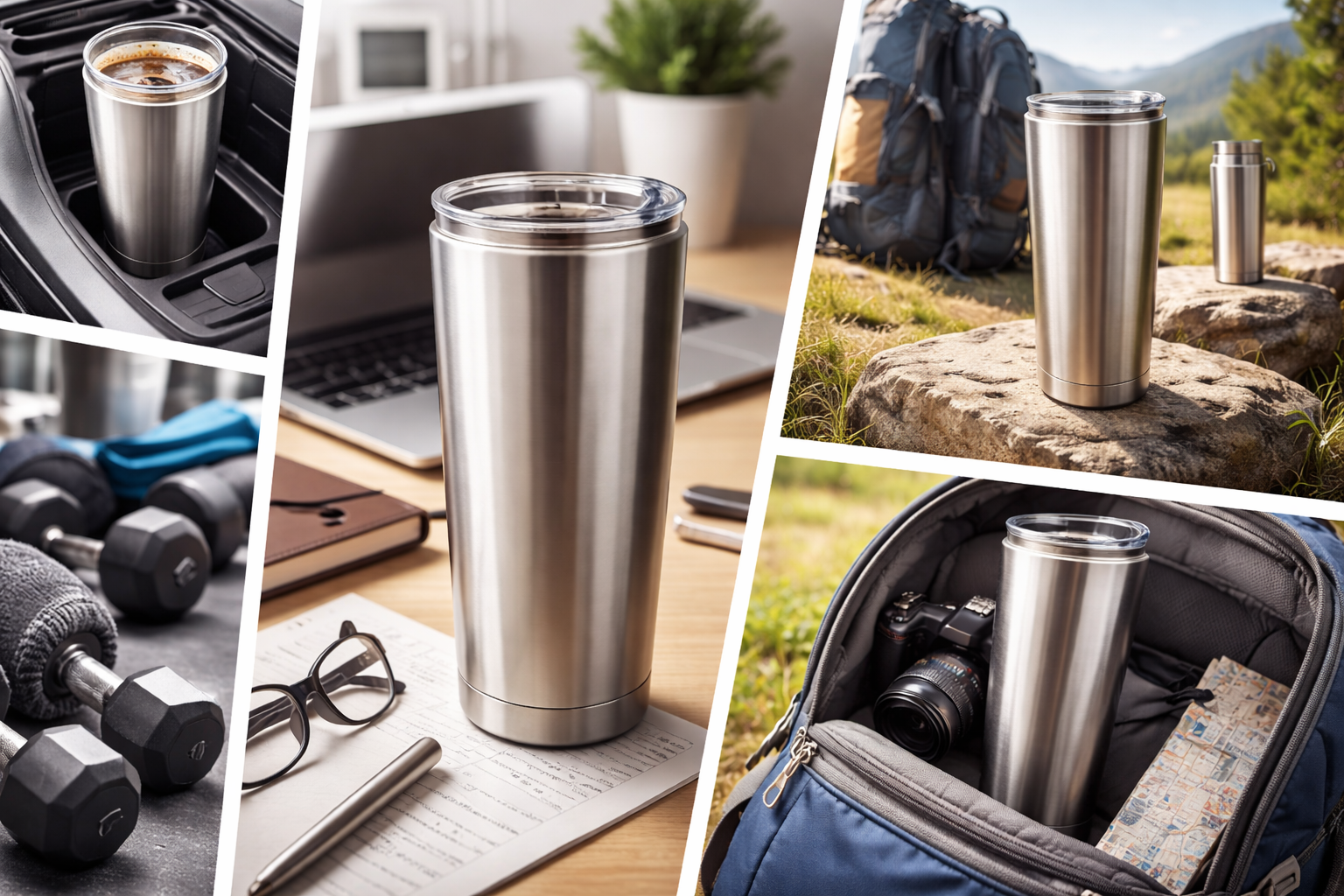
A modern tumbler is no longer just a container for water or coffee. When designed well, it becomes a flexible daily companion—moving between desks, cars, backpacks, and outdoor spaces without requiring replacement.
The concept of the multi-environment tumbler reflects this evolution. One cup is capable of functioning in many situations because its design considers portability, durability, temperature retention, and user convenience simultaneously.
Understanding how this versatility works reveals something interesting about product design itself: the best everyday tools often succeed not because they do one thing perfectly, but because they do many things reliably.
The Rise of the “All-in-One” Drinkware Trend
Over the past decade, reusable drinkware has evolved from a niche eco-friendly alternative into a mainstream daily accessory. This shift has been driven by a combination of lifestyle changes, environmental awareness, and design innovation.
Changing Daily Mobility
People today move more frequently between environments during the day. Remote work, flexible schedules, hybrid offices, and urban commuting have created routines where portability matters more than ever.
In the past, someone might use:
- a mug at home
- a disposable cup during commuting
- a plastic bottle at the gym
Now, a single reusable tumbler often replaces all three.
This consolidation of use cases naturally encourages the development of multi-purpose drinkware.
Sustainability and Reusable Culture
Environmental awareness has also played a major role.
Single-use plastic bottles and disposable coffee cups contribute significantly to global waste streams. As more consumers try to reduce disposable consumption, reusable bottles and tumblers have become part of everyday sustainability habits.
However, convenience remains essential. If reusable products are inconvenient to carry or use, people are less likely to adopt them consistently.
The most successful drinkware products therefore balance two goals:
- environmental responsibility
- practical everyday usability
Multi-environment tumblers represent a practical solution to both.
The Core Environments Where Tumblers Are Used
A tumbler designed for versatility must perform well across several common daily contexts. Each environment introduces slightly different functional requirements.
Office and Workspaces
One of the most common places a tumbler is used is simply on a desk.
In office settings, drinkware often remains nearby for several hours. Because of this, insulation performance becomes extremely valuable. A cup that keeps coffee warm throughout a morning meeting or water cold through an afternoon of work reduces the need for repeated refills.
Spill resistance also becomes important. Workspaces contain laptops, documents, and electronics that make accidental spills inconvenient.
As a result, office-friendly tumblers often emphasize:
- stable bases
- insulated walls
- secure lids
These features allow a single cup to remain reliable throughout long work sessions.
The Daily Commute
Commuting introduces a different set of design challenges.
Whether traveling by car, train, or bicycle, a drink container must remain secure while moving. Tumblers designed for commuting often incorporate subtle structural decisions that make them easier to transport.
For example, many models include tapered bases that fit standard car cup holders. This seemingly small design feature significantly improves usability for drivers.
Additionally, lids designed with flip tops or sliding closures help prevent leaks during movement.
In this context, portability and spill resistance matter more than large capacity or decorative design.
Fitness and Outdoor Activities
During exercise or outdoor activities, hydration becomes more frequent and immediate.
People using tumblers at gyms or during hiking often prioritize different features compared to office users.
Key characteristics include:
- quick drinking access
- larger capacity
- durable materials
Straw lids and wide openings allow easier hydration during workouts. Meanwhile, strong materials help prevent damage from accidental drops or impacts.
Outdoor environments also highlight the importance of temperature stability. A bottle that keeps water cold during a long hike or hot day becomes significantly more useful than one that quickly warms.
Travel and Long-Distance Movement
Travel introduces even more varied conditions.
Airports, train stations, hotels, and outdoor sightseeing locations can all be part of a single trip. Carrying multiple types of drink containers during travel is inconvenient, so versatile tumblers become especially valuable.
Travel-friendly drinkware often focuses on:
- reliable leak protection
- long temperature retention
- comfortable carrying
A dependable tumbler can function during flights, in hotel rooms, or during long sightseeing walks without needing replacement.
Everyday Home Use
Interestingly, many people end up using their reusable tumbler most frequently at home.
Instead of switching between glasses, mugs, and bottles throughout the day, some people simply keep a single cup nearby for convenience.
This habit demonstrates something subtle about product design: once a tool becomes comfortable and reliable, users often integrate it into routines beyond its original purpose.
Design Features That Enable Multi-Environment Use
Creating a tumbler that functions well across all these situations requires careful design choices. Several features consistently appear in successful multi-environment drinkware products.
Double-Wall Vacuum Insulation
One of the most important innovations in modern drinkware is double-wall vacuum insulation.
This technology works by creating a vacuum layer between two walls of stainless steel. Because heat transfer requires matter to move through, the vacuum dramatically slows temperature changes.
As a result, drinks can remain hot or cold for extended periods.
This single feature significantly expands the range of environments where a tumbler performs well. It allows the same container to handle hot coffee during a commute and cold water during outdoor activities.
Durable Materials
Material choice also plays a major role in versatility.
Common drinkware materials include:
- plastic
- glass
- stainless steel
- silicone
Among these, stainless steel has become particularly popular for reusable tumblers because it combines several desirable properties:
- strong structural durability
- resistance to corrosion
- compatibility with vacuum insulation
This durability allows a tumbler to survive daily transport, occasional drops, and long-term use.
Ergonomic Form and Balance
Shape is often underestimated in product design.
A tumbler that feels comfortable to hold, fits inside bags easily, and remains stable on flat surfaces becomes more practical across environments.
Designers often adjust:
- grip contours
- base diameter
- overall weight distribution
These small adjustments help ensure that the same tumbler remains convenient whether placed on a desk or carried during a walk.
Versatile Lid Systems
Different situations require different drinking methods.
For example:
- commuting may require spill-resistant lids
- workouts may benefit from straw openings
- travel may prioritize secure screw tops
Some tumblers address this challenge by offering interchangeable lids or hybrid lid designs that combine multiple drinking options.
This adaptability further strengthens the concept of one cup serving many roles.
The Psychology of the “Favorite Cup”
Beyond pure practicality, there is a psychological reason why people become attached to specific drink containers.
Humans naturally form habits around objects that appear repeatedly in daily routines.
When a tumbler travels with someone throughout the day—from breakfast to work meetings to evening exercise—it gradually becomes associated with those activities.
Over time, this repetition creates familiarity and preference.
Many people eventually develop a “favorite cup” that they reach for automatically. This phenomenon reflects how everyday tools can quietly become personal objects through repeated use.
Future Trends: Where Multi-Environment Tumblers Are Heading
Looking ahead, the evolution of reusable drinkware is unlikely to slow down. Several emerging trends suggest how the next generation of tumblers may become even more versatile.
From a product strategy perspective, the future of multi-environment drinkware will likely revolve around three key directions: modularity, smart functionality, and material innovation.
Modular Design Systems
The first major trend will likely be modular components.
Instead of a single fixed configuration, future tumblers may include interchangeable parts such as:
- different lid styles
- removable handles
- adaptable base sizes
This modular approach would allow users to customize their bottle depending on the day’s activities. A commuter might prefer a sealed lid and slim base, while a gym user might attach a straw lid and larger grip.
In other words, the tumbler becomes less like a static object and more like a configurable system.
Smart Hydration Technology
Another emerging direction involves digital integration.
Smart hydration devices already exist, but they remain relatively niche. However, as wearable technology and health tracking become more common, drinkware may begin integrating with these ecosystems.
Future tumblers could potentially include:
- hydration reminders
- volume tracking sensors
- mobile app connectivity
While these features may not appeal to everyone, they illustrate how even simple products can evolve through technology.
Advanced Materials and Lighter Construction
Material science continues to improve, and drinkware design benefits directly from these advances.
Future tumblers may focus on achieving three simultaneous goals:
- stronger structural durability
- lighter weight
- improved thermal performance
Achieving this balance would make bottles easier to carry while maintaining long-lasting insulation.
From a design perspective, the most successful products will likely be those that maintain simplicity while quietly improving performance.
A Subjective Outlook: Simplicity Will Still Win
Despite all these technological possibilities, one trend is likely to remain constant.
Consumers consistently gravitate toward products that are simple, reliable, and easy to use.
While modular features and smart technologies may grow, the most widely adopted tumblers will probably continue to emphasize:
- durability
- portability
- ease of cleaning
- dependable insulation
In other words, the future of drinkware will likely involve refining simplicity rather than replacing it.
Conclusion
The idea of a multi-environment tumbler reflects a broader shift in how everyday products are designed.
Instead of being limited to a single use case, modern drinkware adapts to multiple contexts throughout the day. From offices and commutes to outdoor activities and travel, a well-designed tumbler can move seamlessly between environments.
This versatility is not accidental. It emerges from thoughtful design choices involving insulation technology, durable materials, ergonomic form, and flexible lid systems.
As lifestyles continue to evolve, reusable drinkware will likely become even more adaptable. Yet the most successful designs will remain those that quietly integrate into daily routines.