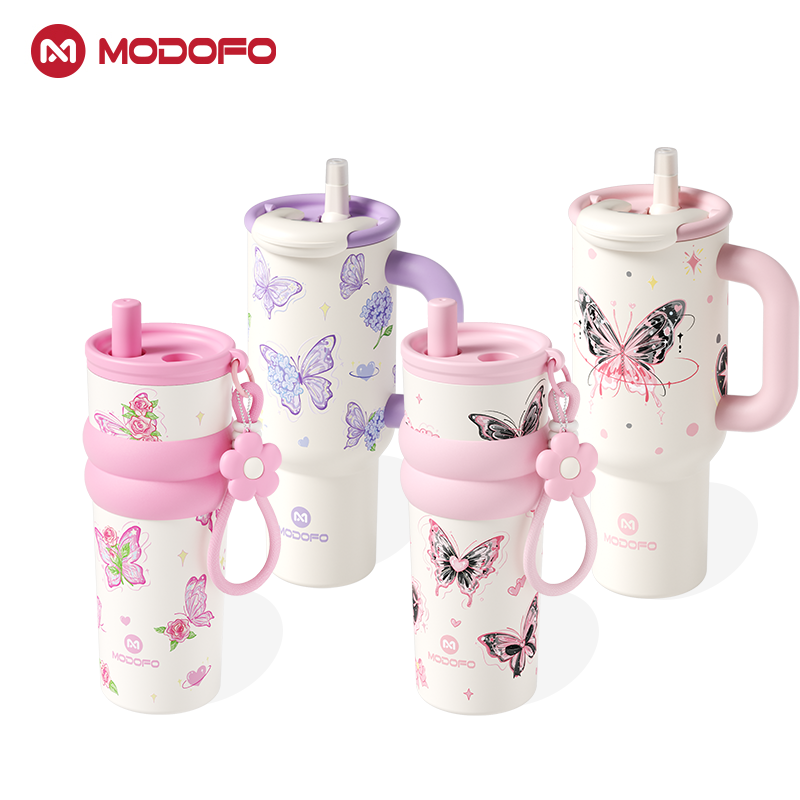


Over the past decade, durable metal containers—especially stainless steel and aluminum—have become the dominant symbols of “better living.” They are marketed as safer than plastic, more sustainable than disposable packaging, and more reliable than glass. In many consumer conversations, choosing a metal bottle or food container is treated less as a decision and more as an obvious upgrade.
But popularity does not automatically equal universal suitability.
As consumers become more informed and use cases become more diverse, a more nuanced question emerges: Are durable metal containers always the best choice for food and drinks, or are they simply the most visible option?
This article takes a practical, scenario-driven approach. Rather than promoting one material as superior, it examines where metal containers excel, where they introduce trade-offs, and how alternative materials can outperform them in specific contexts. The goal is not to discredit metal containers, but to restore decision-making clarity in a market shaped by assumptions.
What Makes Metal Containers So Popular?
Metal containers did not become mainstream by accident. Their rise is the result of overlapping functional, psychological, and market-driven factors.
From a functional standpoint, metal containers are associated with strength, durability, and long-term use. Stainless steel, in particular, is corrosion-resistant, structurally stable, and compatible with vacuum insulation technology. These properties make it ideal for hot beverages, cold storage, and repeated daily use.
From a psychological perspective, metal conveys permanence. Compared to plastic, it feels less disposable. Compared to glass, it feels safer. This perception aligns well with consumer values around sustainability, health, and quality.
From a branding standpoint, metal containers offer visual and tactile signals of premium positioning. Weight, finish, and sound all contribute to a perception of seriousness and reliability. For many brands, metal is not just a material choice but a strategic one.
However, popularity driven by symbolism can sometimes overshadow functional nuance. What works well in one scenario may introduce friction in another.
The Functional Strengths of Metal Containers
There are environments where metal containers are not just suitable, but clearly superior.
Thermal Performance and Insulation
Metal is the backbone of modern insulated containers. Double-wall vacuum insulation relies on stainless steel’s structural integrity and low thermal conductivity. For hot coffee during long commutes or cold water during extended outdoor activities, metal containers deliver consistent temperature retention that most other materials cannot match.
This is particularly relevant for users who prioritize beverage temperature over all other factors.
Durability Under Stress
Metal containers are resilient. They tolerate drops, pressure, and rough handling far better than glass and most plastics. For hiking, camping, construction sites, and travel, durability reduces replacement frequency and failure risk.
In these contexts, weight becomes secondary to reliability.
Hygiene and Long-Term Use
High-quality stainless steel is non-porous, meaning it does not absorb flavors, stains, or bacteria when properly maintained. This makes it suitable for repeated long-term use, especially with hot liquids.
For institutional or professional use—such as offices, gyms, or shared environments—this stability matters.
The Trade-Offs That Often Go Unmentioned
Despite their strengths, metal containers introduce limitations that are often downplayed in marketing narratives.
Weight and Portability
Durability comes with mass. Even lightweight stainless steel containers are noticeably heavier than plastic or Tritan alternatives, especially when filled. For users who carry bottles daily—commuters, students, travelers—this weight accumulates into real friction.
Portability is not just about size; it is about sustained comfort.
Visibility and Consumption Awareness
Metal containers are opaque. While this may seem trivial, it affects hydration habits. Users cannot see remaining liquid, cleanliness, or sediment. Studies on drinking behavior consistently show that visual feedback influences consumption frequency.
Transparent materials offer an advantage in habit-building and monitoring.
Flavor Interaction and Sensory Experience
While stainless steel is generally neutral, it is not always flavor-invisible. Acidic beverages, flavored drinks, or poorly coated interiors can result in metallic aftertastes. For sensitive users, this can undermine the drinking experience.
Glass and certain plastics outperform metal in sensory neutrality.
Functional Limitations
Metal containers are incompatible with microwave heating. They can dent under extreme impact, affecting seals or insulation. They also require more careful cleaning around lids, threads, and vacuum seals.
Durability does not eliminate maintenance—it shifts it.
Comparing Metal with Alternative Materials
Material selection should be comparative, not ideological.
Metal vs BPA-Free Tritan Plastic
Tritan is lightweight, impact-resistant, transparent, and BPA-free. It does not match metal in thermal insulation but excels in portability and visual clarity. For daily hydration, office use, and travel, Tritan often delivers higher convenience.
Metal wins on insulation; Tritan wins on usability.
Metal vs Glass
Glass is chemically inert and flavor-neutral. It offers unmatched purity but sacrifices durability. For home use, meal prep, and flavor-sensitive beverages, glass is often superior.
Metal is safer outdoors; glass is superior indoors.
Metal vs Silicone
Silicone containers prioritize flexibility and space efficiency. They are ideal for collapsible food storage and travel but lack rigidity and insulation. Silicone is a niche solution, not a general replacement.
Choosing Containers by Lifestyle, Not Material Bias
The most effective way to evaluate container choice is to start with lifestyle, not material reputation.
Daily Commute and Office Use
Weight, leak resistance, and ease of cleaning matter more than extreme durability. Transparent, lightweight bottles often outperform metal in these environments.
Outdoor and Adventure Activities
Durability and insulation dominate. Metal containers justify their weight when conditions are unpredictable.
Family and Children
Safety, weight, and visibility matter. Metal containers can be too heavy or rigid for children, while BPA-free plastic options offer better handling and monitoring.
Travel and Mobility
Airport security, packing efficiency, and comfort favor lighter materials. Collapsible or lightweight containers often outperform metal for frequent travelers.
Food Storage vs Beverage Consumption
Metal excels at beverages but is less versatile for food storage, especially when reheating or portion visibility matters.
Cost, Longevity, and Sustainability in Real Terms
Metal containers are often positioned as the most sustainable option, but sustainability is context-dependent.
Production of stainless steel is energy-intensive. Transportation weight increases emissions. Durability only translates into sustainability if the product is used long enough to offset its production footprint.
A lightweight container used daily for five years may outperform a heavy metal bottle replaced after one year due to inconvenience.
Sustainability is not just about material—it is about behavior.
Are Durable Metal Containers Always the Best Choice?
The evidence suggests a clear answer: no.
Durable metal containers are excellent tools for specific jobs. They are not universal solutions. Treating them as such introduces inefficiency, discomfort, and unnecessary compromise.
The best container is not the strongest, the heaviest, or the most marketed. It is the one that aligns with actual use patterns.
Conclusion: Smarter Choices Come from Context, Not Assumptions
Material choice should follow function, not trends.
Metal containers deserve their reputation, but they should be chosen deliberately, not automatically. As consumer needs diversify, so should material decisions.
A truly modern approach to food and drink containers prioritizes fit-for-purpose thinking over material loyalty. When context leads, better decisions follow—and durability becomes a benefit, not a burden.