

How Slow Travel, Curiosity, and Everyday Rituals Are Redefining the Way We Explore the World
Introduction: The Best Journeys Aren't Always the Fastest
There was a time when travel was measured by numbers.
How many countries had you visited? How many famous landmarks had you checked off your list? How many photos had you posted before the trip was even over?
Modern travel often became a race—a carefully planned itinerary filled with back-to-back attractions, early morning departures, and late-night arrivals. Travelers rushed from one destination to another, determined to see everything before returning home.
Ironically, in trying to experience more, many of us ended up experiencing less.
We walked through beautiful cities while staring at maps on our phones. We admired famous monuments through camera screens instead of our own eyes. We left places with hundreds of photographs but surprisingly few memories.
Today, however, a different philosophy is quietly gaining momentum.
Across the world, more people are embracing a slower, more intentional way of traveling. They're choosing longer stays instead of packed schedules. They prefer neighborhood cafés over tourist hotspots, local markets over souvenir shops, and meaningful conversations over hurried sightseeing.
They have discovered something surprisingly simple:
Travel isn't about collecting places. It's about collecting moments.
Slow travel isn't about moving slowly for the sake of it. It's about giving yourself enough time to truly notice where you are, connect with the people around you, and rediscover your own sense of curiosity.
Perhaps the greatest luxury in modern travel isn't flying farther or spending more.
Perhaps it's finally having the time to slow down.
Why We Started Traveling Too Fast
The way we travel has changed dramatically over the past two decades.
Affordable flights, online booking platforms, social media, and endless travel guides have made the world more accessible than ever before. Planning a trip that once required months of preparation can now be done in an afternoon.
Convenience has brought incredible opportunities—but it has also created new pressures.
Many travelers feel compelled to maximize every minute of their vacation. A city break becomes a checklist of landmarks. A week abroad turns into four different destinations. Days are planned from sunrise to sunset with barely enough time to sit down for lunch.
Social media has amplified this mindset. Instead of asking, "What do I want to experience?" many people unconsciously begin asking, "What should I post?"
Travel becomes performance rather than presence.
The irony is that some of the most memorable moments rarely appear on any itinerary.
They're the unexpected discoveries—a hidden bookstore, an old man feeding birds in a quiet square, a family-owned bakery that wasn't listed in any guidebook, or the sound of church bells echoing through narrow streets just before sunset.
These moments cannot be scheduled.
They can only be noticed.
And noticing requires slowing down.
The Rise of Slow Travel
Slow travel is often misunderstood as simply spending more days in one place.
In reality, it is a mindset rather than a timetable.
It means replacing quantity with quality.
Instead of rushing through five cities in a week, you might spend five days exploring one neighborhood. Rather than trying every "must-see" attraction, you might return to the same café every morning until the owner recognizes your order.
Slow travel invites you to experience a destination as a temporary resident rather than a passing visitor.
You begin to notice the rhythm of everyday life.
The bakery opens before sunrise.
Schoolchildren ride bicycles through quiet streets.
Office workers gather for coffee at the same time each morning.
Parks fill with families in the evening.
Markets become busiest just before dinner.
These ordinary scenes reveal more about a place than many famous landmarks ever could.
When you stop trying to consume a destination, you begin to understand it.
Curiosity Is the Best Travel Guide
Every meaningful journey begins with curiosity.
Not the curiosity that seeks the perfect photograph, but the kind that asks questions.
Why do people greet each other this way?
Why is lunch the largest meal here?
Why does this city value bicycles more than cars?
Why are cafés always full in the afternoon?
Why do people gather in parks after work?
Curiosity transforms travel into learning.
Instead of simply observing differences, you begin appreciating them.
The world becomes less about comparison and more about discovery.
Children naturally understand this.
They ask endless questions because everything is new.
Adults often stop asking because they assume they already know enough.
Travel gives us permission to become curious again.
Every unfamiliar street, language, meal, or tradition reminds us that there are countless ways to live a meaningful life.
And perhaps that's one of travel's greatest gifts.
It expands not only our map of the world, but also our understanding of what is possible.
Every City Has Its Own Rhythm
One of the most rewarding parts of traveling slowly is discovering that every place has its own daily rhythm.
Tokyo feels different before commuters fill the trains.
Rome changes after sunset when families gather in public squares.
Melbourne wakes up with the aroma of freshly brewed coffee.
Buenos Aires comes alive through long conversations over mate and shared meals.
Copenhagen invites people outdoors whenever sunlight appears.
Bangkok transforms after dark as night markets fill with food, music, and conversation.
These rhythms cannot be understood from a bus tour.
They reveal themselves only to those willing to stay long enough to notice.
Travel then becomes less about geography and more about lifestyle.
Instead of asking, "What should I see?"
You begin asking,
"How do people live here?"
That simple shift changes everything.
Travel Light, Experience More
Many experienced travelers eventually arrive at the same conclusion:
The less they carry, the more freedom they enjoy.
Packing light isn't simply about reducing luggage weight.
It's about reducing mental weight.
With fewer belongings, moving becomes easier.
Unexpected detours become exciting rather than stressful.
Walking becomes more enjoyable.
Public transportation feels less intimidating.
You become more spontaneous.
Minimalist travel also changes how we think about possessions.
Instead of bringing everything "just in case," we begin choosing only what genuinely adds value to the journey.
Comfortable shoes.
A lightweight backpack.
A reusable water bottle.
A notebook.
A camera.
A favorite book.
These everyday essentials become trusted companions rather than unnecessary baggage.
The goal isn't to own less simply for the sake of minimalism.
It's to create more space—for experiences, conversations, and discoveries.
And in travel, freedom is often the greatest luxury of all.
Walking Changes the Way You See the World
There is no faster way to move through a city than driving.
There is no better way to understand it than walking.
Walking slows us down just enough to notice the details.
The smell of fresh bread drifting from a bakery.
Music spilling out of an open window.
Children playing in a neighborhood park.
Local artists selling handmade crafts.
Street cats sleeping in the afternoon sun.
None of these moments appear on a typical sightseeing itinerary.
Yet together they create the true character of a place.
Walking also encourages chance encounters.
You discover a bookstore because you weren't rushing.
You stop at a café simply because it looks inviting.
You turn down a side street out of curiosity.
Some of the world's best travel stories begin with a sentence like,
"We weren't planning to go there..."
Slow travel leaves room for these moments.
Fast travel rarely does.
Coffee, Tea, and Conversations
Ask someone about their favorite travel memory, and they may not mention a famous landmark.
Instead, they'll remember sharing breakfast with strangers.
Drinking espresso in a tiny Italian café.
Learning how to prepare tea from a local family.
Talking with fellow travelers while waiting for a train.
Food and drinks have an extraordinary ability to connect people.
A cup of coffee can begin a conversation.
A pot of tea can slow one down.
A shared meal can dissolve language barriers.
Across cultures, hospitality is often expressed through something as simple as offering a drink.
These everyday rituals remind us that travel isn't only about places.
It's about people.
Sometimes, the most unforgettable destination is the conversation you never expected to have.
Nature Reminds Us to Slow Down
Not every meaningful journey happens in a city.
Some happen beside lakes.
Others on mountain trails.
Some begin before sunrise on a quiet beach.
Others unfold beneath forests filled with birdsong.
Nature has a remarkable way of resetting our internal pace.
When we hike, paddle, camp, or simply sit beneath a tree, the urgency of everyday life begins to fade.
The constant pressure to accomplish more gradually gives way to something simpler:
being present.
Outdoor experiences also remind us that the most beautiful moments are often impossible to schedule.
Sunrise arrives when it arrives.
The tide follows its own rhythm.
Wildflowers bloom in their own season.
Traveling through nature teaches patience.
And patience often reveals beauty that speed cannot.
Collect Moments, Not Souvenirs
It's easy to fill a suitcase with gifts and souvenirs.
Magnets.
Keychains.
T-shirts.
Decorative items.
Many of them eventually end up forgotten in drawers or boxes.
The memories that stay with us are different.
The first sip of coffee while watching the city wake up.
Rain falling on ancient streets.
A local musician performing in a quiet square.
The kindness of a stranger who helped with directions.
A sunset shared with friends old and new.
These moments become part of who we are.
Unlike souvenirs, they don't gather dust.
They continue to shape the way we see the world long after the journey ends.
Travel isn't valuable because of what we bring home.
It's valuable because of what it leaves behind within us.
The Everyday Essentials That Travel With You
Every memorable journey depends on a few reliable companions.
Not necessarily expensive ones.
Simply thoughtful ones.
The notebook that captures unexpected ideas.
The backpack that comfortably carries everything you need.
The camera that preserves meaningful moments.
The comfortable shoes that make exploring enjoyable.
The reusable bottle that keeps you refreshed throughout the day.
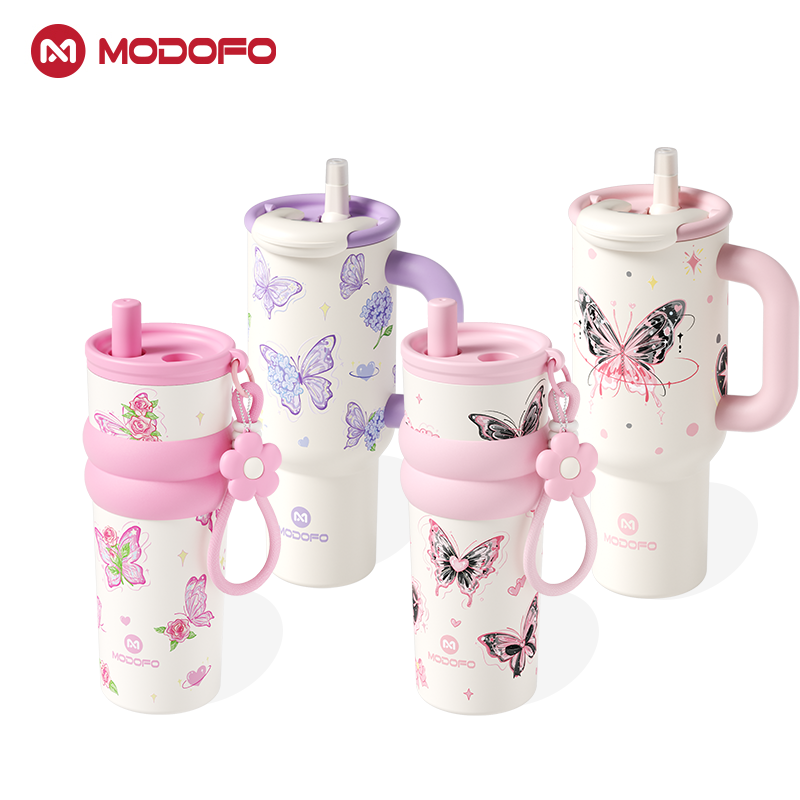
The travel mug that accompanies early mornings and long train rides.
These objects become part of countless memories.
Not because they are extraordinary, but because they quietly support extraordinary experiences.
Good travel gear doesn't replace adventure.
It simply removes distractions, allowing you to focus on what matters most.
Keep Exploring, Even After You Return Home
One of the biggest misconceptions about travel is that it only happens when we leave home.
In reality, travel begins with curiosity.
And curiosity doesn't disappear when a trip ends.
You can explore a new neighborhood in your own city.
Visit a museum you've always ignored.
Try cooking food from another culture.
Learn a few phrases in a new language.
Read books written by authors from different countries.
Take a different route during your morning walk.
Sit in a café you've never noticed before.
The spirit of travel is not defined by distance.
It is defined by openness.
People who continue exploring after returning home often discover something unexpected:
Life itself becomes more interesting.
Because they never stop paying attention.
The MODOFO GLOBAL Philosophy: Every Journey Matters
At MODOFO GLOBAL, we believe that meaningful travel is built from meaningful moments.
Not every journey needs to be extraordinary.
Some of the best memories begin with a quiet morning coffee before catching a train, staying hydrated on a long walk through an unfamiliar city, sharing tea with friends during a weekend escape, or taking a reusable bottle on a family road trip.
Travel isn't separate from everyday life.
It is an extension of it.
The same habits that make daily life more enjoyable—staying hydrated, slowing down, appreciating good design, and creating small rituals—also make every journey more rewarding.
That's why we believe in creating products that naturally become part of those experiences.
Not as the center of attention, but as reliable companions that quietly support every adventure, whether it's across the world or just across town.
Because every journey matters.
And every day offers an opportunity to explore something new.
Conclusion: The Best Journey Is the One That Changes You
Modern travel is evolving.
More travelers are discovering that seeing more places doesn't always mean having richer experiences.
Instead, they are choosing to stay longer, walk farther, carry less, ask more questions, and embrace the rhythms of local life.
They understand that meaningful travel isn't measured by passport stamps or social media posts.
It's measured by perspective.
By curiosity.
By conversations.
By the small moments that quietly change the way we see ourselves and the world around us.
The best journeys rarely end when we return home.
They continue in the habits we adopt, the people we remember, and the appreciation we develop for everyday life.
So travel slowly.
Notice more.
Carry less.
Stay curious.
Because the world's greatest destinations are not simply places on a map.
They are moments that remind us how wonderful it is to keep exploring.
The best travelers aren't the ones who visit the most places. They're the ones who notice the most.