
Part One: Why Coffee Shops Are Becoming the Heart of Modern Southeast Asian Cities
Introduction: More Than Just Coffee
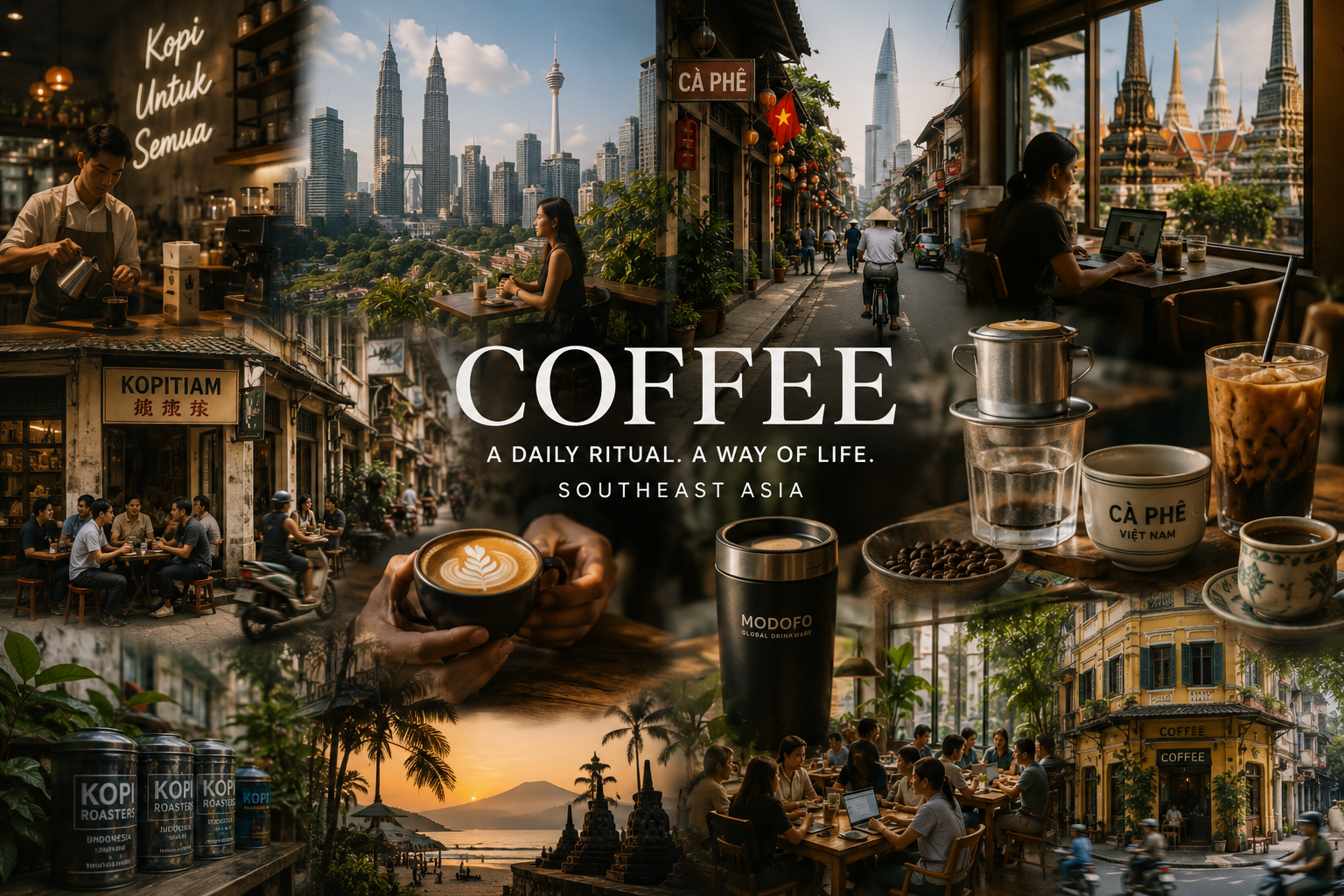
Walk through the streets of Kuala Lumpur on a weekday morning, and you'll notice office workers carrying iced lattes on their commute. In Jakarta, cafés are already filled with freelancers opening laptops before 9 a.m. Bangkok's creative districts buzz with specialty coffee shops tucked between galleries and boutiques. In Ho Chi Minh City, locals and tourists gather over Vietnamese coffee while the city slowly wakes up. Across Manila and Singapore, cafés have become popular meeting places for students, entrepreneurs, and families alike.
Twenty years ago, many of these scenes would have looked very different.
Coffee certainly existed in Southeast Asia. In fact, the region has one of the world's richest coffee histories. Vietnam is the world's second-largest coffee producer, while Indonesia ranks among the largest producers globally. Malaysia's kopitiams, Singapore's traditional coffee shops, and the Philippines' Barako coffee have served communities for generations.
But coffee was often viewed as something practical—a morning drink, an afternoon energy boost, or a traditional beverage enjoyed at neighborhood cafés.
Today, coffee represents something much larger.
It represents lifestyle.
It represents community.
It represents creativity.
And increasingly, it represents how Southeast Asia's cities are evolving.
Across the region, coffee shops are no longer simply places to buy a drink. They have become spaces where people work, study, socialize, travel, create content, hold business meetings, and simply slow down for a few moments during busy days.
The rapid growth of cafés throughout Southeast Asia isn't just a food and beverage trend.
It reflects broader changes in how people choose to live.
The Coffee Shop Boom Across Southeast Asia
One of the most noticeable changes in Southeast Asia's urban landscape over the past decade has been the sheer number of new cafés opening across major cities.
Whether you're walking through Kuala Lumpur, Jakarta, Bangkok, Ho Chi Minh City, Manila, or Singapore, it's almost impossible not to notice the growing presence of independent cafés, specialty coffee roasters, boutique coffee chains, and modern lifestyle cafés.
This growth isn't happening by accident.
According to Euromonitor International, specialist coffee and tea shop sales in Southeast Asia reached approximately USD 4.4 billion in 2023, with the sector expected to continue growing at roughly 8% annually through 2028. Despite this expansion, average per-capita spending on coffee shops in the region remains below the global average, suggesting there is still significant room for future growth.
Unlike more mature café markets, Southeast Asia is still in an exciting stage of development.
Consumers are drinking more coffee.
Cities are welcoming new brands.
Independent cafés continue to flourish.
Local coffee chains are expanding beyond their home markets.
What makes this especially interesting is that growth is not driven solely by international brands.
Instead, local companies are increasingly leading the transformation.
Brands such as Kopi Kenangan in Indonesia, Zus Coffee in Malaysia, Highlands Coffee in Vietnam, and numerous independent specialty cafés have shown that Southeast Asian consumers appreciate businesses that understand local tastes while embracing global coffee culture.
Coffee has become one of the most dynamic parts of the region's consumer economy.
Coffee Was Always Here—The Culture Simply Changed
To understand today's café boom, it's important to recognize that Southeast Asia did not suddenly "discover" coffee.
Coffee has been part of the region's identity for centuries.
Indonesia introduced the world to legendary origins such as Sumatra, Java, and Sulawesi.
Vietnam built one of the world's largest coffee industries, becoming synonymous with robusta beans and distinctive brewing traditions.
Malaysia and Singapore developed kopitiam culture, where coffee has long been enjoyed alongside local breakfasts.
The Philippines continues to celebrate Barako coffee as an important part of its heritage.
Coffee has always been present.
What has changed is the way people experience it.
Traditional coffee culture focused primarily on the beverage itself.
Modern café culture places equal importance on the experience surrounding it.
Today's customers are interested in where beans are sourced, how they are roasted, what brewing methods are used, and how cafés design spaces that encourage people to stay longer.
Coffee is no longer only consumed.
It is experienced.
This evolution mirrors broader lifestyle changes taking place across Southeast Asia.
Why Coffee Shops Are Growing So Quickly
Several powerful forces are shaping the region's café industry simultaneously.
Urbanization and the Expanding Middle Class
Southeast Asia is home to some of the world's fastest-growing cities.
As more people move into urban areas, daily routines naturally change.
Longer commutes.
Office-based work.
Shopping malls.
Mixed-use developments.
Creative business districts.
All of these environments create opportunities for cafés to become part of everyday life.
At the same time, rising disposable incomes allow more consumers to treat coffee as an affordable daily indulgence rather than an occasional luxury.
For many young professionals, spending a few dollars on quality coffee is viewed not as an unnecessary expense but as an investment in a better daily experience.
Coffee becomes an everyday luxury.
A Younger Generation with Different Expectations
Millennials and Gen Z have transformed the coffee industry across Southeast Asia.
Unlike previous generations, many younger consumers don't simply choose cafés based on convenience.
They value atmosphere.
Interior design.
Brand identity.
Music.
Wi-Fi.
Sustainability.
Photography.
Community.
Many cafés are carefully designed to feel welcoming rather than transactional.
Customers aren't encouraged to finish quickly and leave.
They're invited to stay.
To work.
To meet friends.
To read.
To relax.
The experience itself becomes part of the product.
Social Media Changed the Meaning of Coffee
Perhaps no industry illustrates the influence of social media quite like cafés.
Instagram, TikTok, Facebook, and regional platforms have fundamentally changed how people discover coffee shops.
A beautiful interior can attract thousands of visitors.
An innovative seasonal drink can quickly become viral.
Entire neighborhoods have become famous because of their café scenes.
People increasingly search for cafés before they search for shopping malls.
Coffee shops have become destinations in themselves.
This has encouraged operators to invest not only in coffee quality but also in architecture, lighting, branding, tableware, and customer experience.
In many cities, café-hopping has become a popular weekend activity.
People are no longer just buying coffee.
They're creating memories.
The Coffee Shop Has Become the "Third Place"
Sociologists often describe cafés as a "third place."
Home is the first place.
Work is the second.
The third place is where people voluntarily spend time to connect with others.
Few spaces perform this role better than modern cafés.
In Southeast Asia, coffee shops increasingly function as flexible environments that adapt to different needs throughout the day.
Morning commuters stop for takeaway coffee.
Students revise for exams.
Entrepreneurs meet investors.
Freelancers answer emails.
Parents gather after school drop-offs.
Travelers rest between sightseeing destinations.
Friends celebrate birthdays.
Couples spend quiet afternoons together.
The same café can serve dozens of different purposes without changing its identity.
Coffee becomes the common language connecting all of these experiences.
This transformation helps explain why cafés continue opening even in highly competitive markets.
They are not simply selling beverages.
They are providing space.
And in increasingly busy cities, comfortable public space has become one of the most valuable products of all.
Coffee Is Becoming Part of Everyday Rituals
For many people, coffee is no longer something consumed only when tired.
Instead, it has become woven into the rhythm of daily life.
Morning begins with coffee before work.
A coffee break creates separation between meetings.
Weekend mornings start with a favorite neighborhood café.
Travel plans include discovering local coffee shops.
Friends catch up over cappuccinos instead of formal dinners.
Some people even associate particular cafés with different parts of their lives—where they studied for university exams, held their first job interview, launched a business, or met lifelong friends.
Coffee itself hasn't changed.
The meaning surrounding it has.
It has become a daily ritual rather than merely a beverage.
And rituals, repeated over months and years, quietly shape how people experience everyday life.
In Southeast Asia, this shift is helping redefine not only coffee culture but also modern urban culture itself.
Part Two: How Coffee Is Shaping Lifestyle, Community, and the Future of Urban Living
In just a few decades, Southeast Asia's coffee scene has evolved from traditional neighborhood coffee stalls into one of the region's most dynamic lifestyle industries.
But the story is no longer just about coffee.
It is about how people choose to spend their time, build relationships, work, travel, and experience their cities.
The café has quietly become one of the defining spaces of modern urban life.
Café Design Reflects a New Way of Living
Walk into a newly opened café in Kuala Lumpur, Bangkok, Ho Chi Minh City, or Bali, and you'll notice something interesting.
Many cafés look surprisingly similar—not because they lack originality, but because they respond to the same lifestyle needs.
Large windows that welcome natural light.
Warm wooden furniture.
Indoor plants.
Neutral color palettes.
Minimalist interiors.
Comfortable seating.
Open workspaces.
Carefully selected music.
These design choices are intentional.
People no longer visit cafés simply to grab a drink before leaving.
They stay.
Some spend thirty minutes reading.
Others work remotely for several hours.
Students prepare for exams.
Content creators edit videos.
Designers sketch ideas.
Friends gather without feeling rushed.
The environment itself has become part of the product.
In many ways, cafés have evolved into modern living rooms—shared public spaces where people feel comfortable spending time without the formality of an office or the obligations of home.
As Southeast Asia's cities become denser and apartment sizes become smaller, these welcoming spaces have become increasingly valuable.
Coffee Shops Are Becoming Creative Communities
One of the most remarkable developments in Southeast Asia's café culture is the way coffee shops have become centers for creativity and entrepreneurship.
Independent cafés are no longer just food and beverage businesses.
Many now host:
-
Local art exhibitions
-
Photography showcases
-
Acoustic music nights
-
Book clubs
-
Language exchange events
-
Creative workshops
-
Startup networking sessions
-
Community markets
-
Local brand pop-up events
This transformation reflects a broader shift in consumer expectations.
People increasingly seek experiences rather than transactions.
A memorable café is rarely remembered only because of its coffee.
It is remembered because of the atmosphere, the people, and the conversations that happened there.
For many small businesses, cafés have also become informal meeting rooms where partnerships begin and ideas are exchanged.
Some startups were first discussed over coffee.
Some creative collaborations started between strangers sharing a communal table.
Some lifelong friendships began while waiting for a drink.
The café has become more than a destination.
It has become a platform for connection.
Coffee and Travel Have Become Inseparable
Travel habits have also changed dramatically.
Not long ago, visitors planned their trips around famous landmarks.
Today, many travelers search for something different.
They search for cafés.
Whether visiting Bangkok, Penang, Bali, Ho Chi Minh City, or Singapore, discovering local coffee shops has become part of the travel experience.
A neighborhood café often reveals more about a city's personality than a crowded tourist attraction.
Local coffee beans tell the story of nearby farms.
Interior design reflects regional aesthetics.
The menu introduces local ingredients and flavors.
The people inside represent the rhythm of everyday life.
Travelers increasingly collect café recommendations before they book hotels.
Some even build entire itineraries around specialty coffee routes.
Coffee has become a gateway to understanding local culture.
Instead of simply seeing a destination, travelers begin experiencing how people actually live there.
This aligns closely with the growing popularity of slow travel—choosing fewer destinations while spending more time exploring each one in greater depth.
A quiet morning in a neighborhood café often creates stronger memories than rushing through five tourist attractions in a single day.
Remote Work Has Changed Coffee Culture Forever
Another major force behind Southeast Asia's café growth is the rise of flexible work.
Remote work, freelancing, hybrid offices, and digital entrepreneurship have fundamentally changed how people use cafés.
Coffee shops now function as temporary offices.
Reliable Wi-Fi.
Comfortable seating.
Power outlets.
Natural lighting.
Good coffee.
For many professionals, this combination is more inspiring than a traditional office.
Cities such as Bali, Chiang Mai, Kuala Lumpur, Ho Chi Minh City, and Manila have become well-known among remote workers and digital entrepreneurs.
Many cafés have adapted by creating environments specifically designed for longer visits.
Large communal tables.
Quiet work zones.
Meeting corners.
All-day menus.
Unlimited internet access.
Coffee shops are no longer competing solely with other cafés.
They are also competing with co-working spaces.
The line between work, leisure, and community continues to blur.
Sustainability Is Becoming Part of Coffee Culture
The next chapter of Southeast Asia's coffee industry is likely to be shaped by sustainability.
Consumers today are increasingly aware of how their daily habits affect the environment.
Many cafés now encourage customers to bring reusable cups.
Local roasters are emphasizing transparent sourcing.
Businesses are reducing single-use plastics.
Some cafés compost coffee grounds or support local farming communities.
Others collaborate directly with regional coffee producers to improve sustainability throughout the supply chain.
These changes are not simply marketing strategies.
They reflect evolving consumer values.
People increasingly want products that align with how they choose to live.
Coffee culture is becoming more thoughtful.
The everyday cup of coffee now represents not only taste and convenience but also responsibility.
Coffee Is Becoming an Everyday Luxury
Luxury has traditionally been associated with expensive hotels, designer brands, and exclusive experiences.
Modern consumers are beginning to define luxury differently.
Sometimes luxury is simply having twenty peaceful minutes before work.
A favorite table beside the window.
Morning sunlight.
Freshly brewed coffee.
A good conversation.
Or even complete silence.
This is one reason cafés continue to resonate with so many people.
They provide something increasingly difficult to find in fast-moving cities:
A reason to pause.
That pause has value.
Coffee itself may only take a few minutes to drink.
But the experience surrounding it often shapes the mood of an entire day.
This is what many people now describe as an everyday luxury—small experiences that improve ordinary life without requiring extraordinary spending.
The Everyday Essentials Behind Coffee Culture
Modern coffee culture is supported by a collection of everyday objects that quietly make life more comfortable.
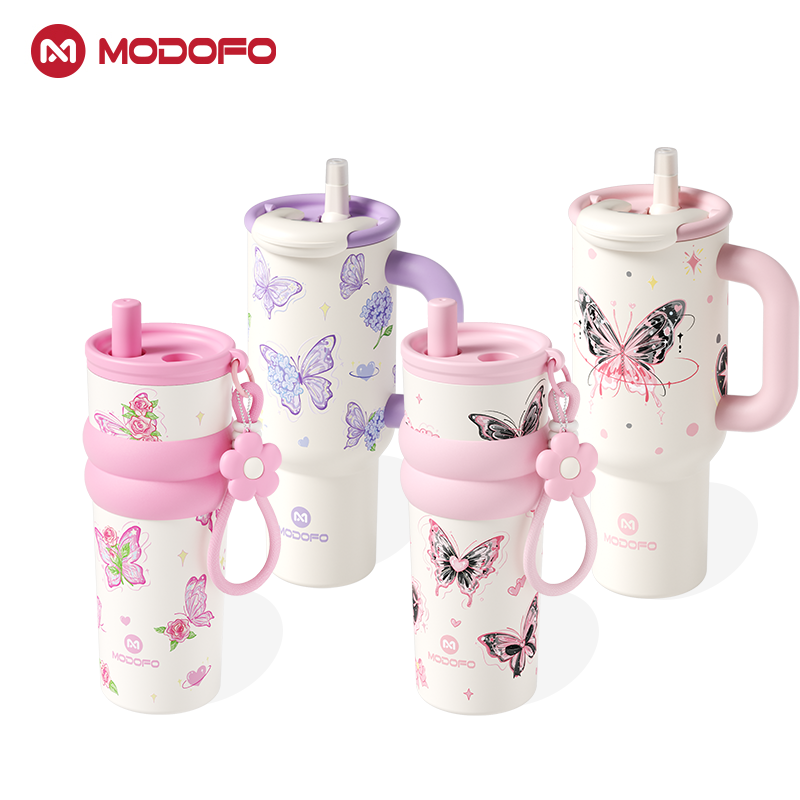
A reliable travel mug keeps coffee warm during the morning commute.
An insulated tumbler stays cold throughout long afternoons.
A notebook captures new ideas.
A lightweight backpack carries work essentials.
Noise-canceling headphones create focus in busy environments.
A reusable bottle encourages hydration alongside coffee.
These objects rarely become the center of attention.
Yet they accompany countless routines.
Morning commutes.
University classes.
Business meetings.
Weekend café visits.
Road trips.
Airport lounges.
They become trusted companions in everyday life.
Consumers are increasingly choosing products that are durable, functional, and enjoyable to use over long periods of time.
Rather than buying more, they are choosing better.
This shift mirrors broader lifestyle trends across Southeast Asia, where quality, convenience, and sustainability are becoming increasingly important.
The MODOFO GLOBAL Philosophy: Everyday Moments Matter
At MODOFO GLOBAL, we believe coffee culture is about much more than coffee itself.
It represents the moments that surround every cup.
The quiet beginning of a busy morning.
A conversation with a friend.
A train ride to a new city.
A weekend spent exploring local neighborhoods.
An afternoon of focused work.
A family road trip.
A simple break during a hectic day.
These everyday rituals shape how we experience life.
That's why we believe thoughtfully designed everyday essentials deserve a place in those moments.
Not as luxury products.
But as reliable companions that make daily routines more enjoyable.
Whether you're commuting through Kuala Lumpur, working remotely in Bali, discovering cafés in Ho Chi Minh City, or sharing coffee with friends in Manila, every journey is made richer by the small experiences that happen along the way.
Because meaningful lifestyles are rarely built through extraordinary occasions alone.
They are built one everyday ritual at a time.
Conclusion: More Than Coffee, It's a Reflection of Modern Southeast Asia
The remarkable growth of cafés across Southeast Asia is not simply evidence that more people enjoy drinking coffee.
It reflects something much deeper.
Cities are changing.
Work is changing.
Travel is changing.
Consumer expectations are changing.
People increasingly value experiences over possessions.
They seek places that encourage creativity, comfort, and human connection.
Coffee shops have successfully adapted to these new expectations.
They are no longer just businesses serving beverages.
They have become social spaces, creative studios, informal offices, neighborhood gathering places, and symbols of modern urban living.
Perhaps this explains why café culture continues to thrive across the region.
It isn't driven solely by coffee beans or brewing techniques.
It is driven by people.
By conversations.
By routines.
By curiosity.
By communities.
By the simple desire to make ordinary days a little more enjoyable.
As Southeast Asia continues to grow and evolve, its cafés will likely continue evolving as well.
Some will become neighborhood institutions.
Others will introduce new ideas and experiences.
But all of them will continue reminding us of one important truth:
Sometimes, the best part of the day isn't the coffee itself.
It's the moment we create around it.
A great coffee shop doesn't just serve coffee. It creates space for conversations, creativity, and everyday moments that people remember.