
Understanding How Geography, Weather, and Daily Habits Shape Hydration Needs
When people think about hydration, they often focus on one simple rule: drink more water.
While this advice is generally helpful, hydration is rarely that simple—especially in a continent as geographically diverse as South America.
From the humid Amazon rainforest and the high-altitude Andes Mountains to bustling cities like São Paulo and Buenos Aires, South America presents a wide range of environmental conditions that influence how the body uses and loses water.
In some regions, people sweat heavily without realizing how much fluid they lose. In others, dry air and high elevations can increase dehydration risk even when temperatures feel comfortable.
At the same time, South America is home to rich beverage traditions, from Brazilian coffee and fresh fruit juices to Argentina's famous yerba mate. These drinks are deeply connected to local culture, but they also raise questions about how they fit into healthy hydration habits.
Understanding hydration in South America is not simply about drinking more water. It is about understanding your environment, your activity level, and the role different beverages play in everyday life.
Why Hydration Needs Vary Across South America
South America is often described as a continent of contrasts.
Few places on Earth contain such dramatic variations in geography and climate within a single region.
Examples include:
- Tropical rainforests
- Mountain ranges exceeding 6,000 meters
- Dry deserts
- Coastal regions
- Dense urban centers
Each environment affects hydration differently.
A person hiking in Peru's Andes faces completely different hydration challenges than someone working in an air-conditioned office in Santiago or spending a day on the beaches of Rio de Janeiro.
This is why hydration advice should always be adapted to local conditions.
Hydration in Tropical Regions
Brazil, Colombia, Ecuador, and the Amazon Basin
The Amazon Basin contains some of the world's most humid environments.
Temperatures frequently remain high throughout the year, while humidity levels often exceed 80%.
At first glance, it may seem obvious that people should drink more water in these conditions.
However, tropical climates create unique challenges.
The Hidden Problem of High Humidity
In dry climates, sweat evaporates quickly.
In humid climates, evaporation slows down.
This means:
- The body struggles to cool itself efficiently.
- People may feel sticky and uncomfortable.
- Heat stress can develop more easily.
Many people mistakenly assume they are adequately hydrated because they are sweating constantly.
In reality, significant fluid loss can occur throughout the day.
Practical Hydration Tips for Tropical Areas
- Drink water consistently rather than waiting for thirst.
- Carry water during outdoor activities.
- Include water-rich fruits in your diet.
- Increase hydration during prolonged outdoor exposure.
Popular hydration-supporting fruits include:
- Watermelon
- Pineapple
- Papaya
- Orange
- Coconut
Fresh coconut water remains popular throughout tropical regions due to its refreshing taste and naturally occurring electrolytes.
Hydration at High Altitudes
Peru, Bolivia, and the Andes Mountains
One of the most overlooked hydration challenges in South America occurs at high altitude.
Visitors often associate dehydration with heat.
However, altitude can increase water loss even when temperatures are relatively cool.
Why High Altitude Increases Dehydration Risk
Several factors contribute:
Increased Breathing Rate
At higher elevations, the body works harder to obtain oxygen.
As breathing increases, more moisture is lost through respiration.
Dry Air
Mountain air tends to be significantly drier than tropical environments.
This accelerates water loss from the skin and respiratory system.
Physical Adaptation
The body undergoes multiple physiological adjustments when adapting to altitude.
These changes may increase hydration requirements.
Common Signs of Altitude-Related Dehydration
Symptoms may include:
- Dry mouth
- Fatigue
- Headaches
- Dizziness
- Reduced concentration
These symptoms can overlap with altitude sickness, making hydration particularly important during travel.
Hydration Strategies for High Elevations
- Drink water regularly throughout the day.
- Avoid relying solely on thirst.
- Monitor urine color as a simple hydration indicator.
- Increase water intake during hiking or physical activity.
Many experienced hikers and travelers recommend carrying a reusable water bottle and establishing regular drinking intervals rather than waiting to feel thirsty.
Staying Hydrated in Coastal Cities
Rio de Janeiro, Lima, Cartagena, and Other Coastal Areas
Coastal cities often appear less physically demanding than mountain or rainforest environments.
However, they present their own hydration challenges.
Sun Exposure Can Increase Fluid Loss
Beach activities often involve:
- Swimming
- Walking
- Cycling
- Sports
- Long periods in direct sunlight
Because ocean breezes can feel cooling, people sometimes underestimate how much fluid they are losing.
The result can be gradual dehydration throughout the day.
Practical Tips for Coastal Areas
- Drink water before arriving at the beach.
- Carry water during outdoor activities.
- Take breaks in shaded areas.
- Combine hydration with appropriate sun protection.
Hydration and heat management often work best together.
Urban Living and Hidden Dehydration
The Modern City Challenge
Many South Americans live in major metropolitan areas.
Examples include:
- São Paulo
- Buenos Aires
- Santiago
- Bogotá
- Lima
Ironically, dehydration can occur even when people spend most of their day indoors.
Why Office Workers Often Forget to Drink Water
Several modern habits contribute:
- Long meetings
- Computer work
- Air-conditioned environments
- Commutes
- Constant distractions
When people become focused on tasks, drinking water often becomes an afterthought.
Air Conditioning and Hydration
Air conditioning can improve comfort but may also contribute to feelings of dryness.
Some people notice:
- Dry throat
- Dry skin
- Reduced awareness of thirst
This is particularly common among office workers who spend long periods indoors.
Simple Workplace Hydration Habits
Helpful strategies include:
- Keeping water visible on the desk.
- Using a reusable bottle.
- Drinking during routine breaks.
- Refilling bottles at scheduled times.
Small habits often prove more effective than relying on memory alone.
Popular South American Drinks and Their Role in Hydration
South America's beverage culture is incredibly diverse.
While water remains essential, many traditional drinks play important roles in daily life.
Yerba Mate
Popular In:
- Argentina
- Uruguay
- Paraguay
- Southern Brazil
Yerba mate is a traditional herbal infusion consumed socially and individually.
Many people enjoy it for:
- Flavor
- Tradition
- Alertness
While mate contributes fluid intake, it should not completely replace plain water.
Maintaining balance remains important.
Coffee
Especially Popular In:
- Brazil
- Colombia
Coffee is deeply embedded in South American culture.
Modern research suggests moderate coffee consumption can contribute to overall fluid intake.
However, water should still remain the primary source of hydration.
Herbal Infusions
Various herbal teas are consumed throughout the continent.
Popular options may include:
- Chamomile
- Mint
- Local herbal blends
These beverages can provide variety for individuals who find plain water unappealing.
Fresh Fruit Juices
South America offers an enormous variety of fresh fruits.
Fresh juices can be enjoyable and refreshing.
However, some commercially prepared juices contain significant amounts of added sugar.
Whole fruits and water often remain the most balanced option for routine hydration.
Coconut Water
In tropical regions, coconut water is widely appreciated.
Benefits include:
- Refreshing taste
- Naturally occurring electrolytes
- Convenient availability
However, it should generally be viewed as a complementary beverage rather than a complete replacement for water.
Can Flavored Drinks Help People Drink More Water?
One common challenge is that many people simply find water boring.
This issue is not unique to South America.
Around the world, people often consume flavored beverages because they are more enjoyable.
Fruit-Infused Water
Popular additions include:
- Lemon
- Lime
- Orange
- Cucumber
- Mint
These ingredients can add flavor without significantly increasing calories.
Herbal Tea
Both hot and cold herbal teas provide additional variety.
Many people find this makes maintaining hydration habits easier.
Low-Sugar Drink Mixes
These products may help some individuals increase fluid intake.
However, moderation remains important.
Whenever possible, beverages with lower sugar content are generally preferable.
How to Tell If You Are Drinking Enough
Hydration needs vary from person to person.
There is no universal number that applies to everyone.
Instead, it can be helpful to monitor practical indicators.
Urine Color
Light yellow urine is often considered a useful sign of adequate hydration.
Energy Levels
Persistent fatigue can sometimes be associated with insufficient fluid intake.
Headaches
Dehydration may contribute to headaches in certain situations.
Dry Mouth
A dry mouth can indicate that additional fluids may be needed.
Concentration and Mood
Many people report improved focus and comfort when maintaining consistent hydration habits.
Practical Hydration Habits for Everyday Life
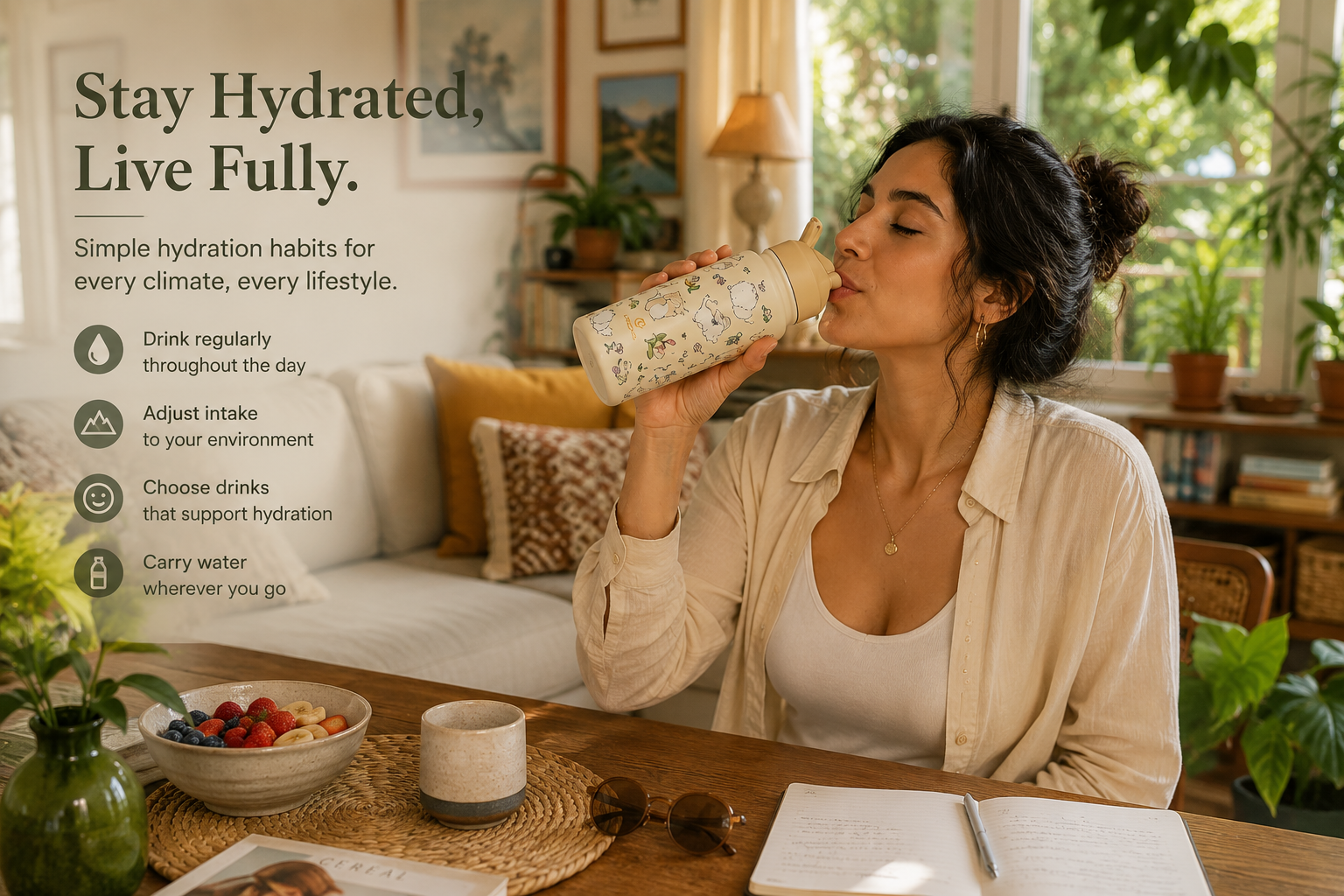
The most effective hydration strategies are often simple.
At Home
- Keep water accessible.
- Use a reusable bottle.
- Drink with meals.
At Work
- Place water within sight.
- Refill regularly.
- Pair drinking with routine tasks.
During Exercise
- Increase fluid intake before, during, and after activity.
- Consider electrolyte replacement during prolonged exercise.
During Travel
Travel often disrupts routines.
Maintaining a dedicated water bottle can help create consistency.
During Hot Weather
In tropical and summer conditions:
- Drink earlier.
- Drink more frequently.
- Monitor hydration throughout the day.
Choosing the Right Water Bottle for Different Environments
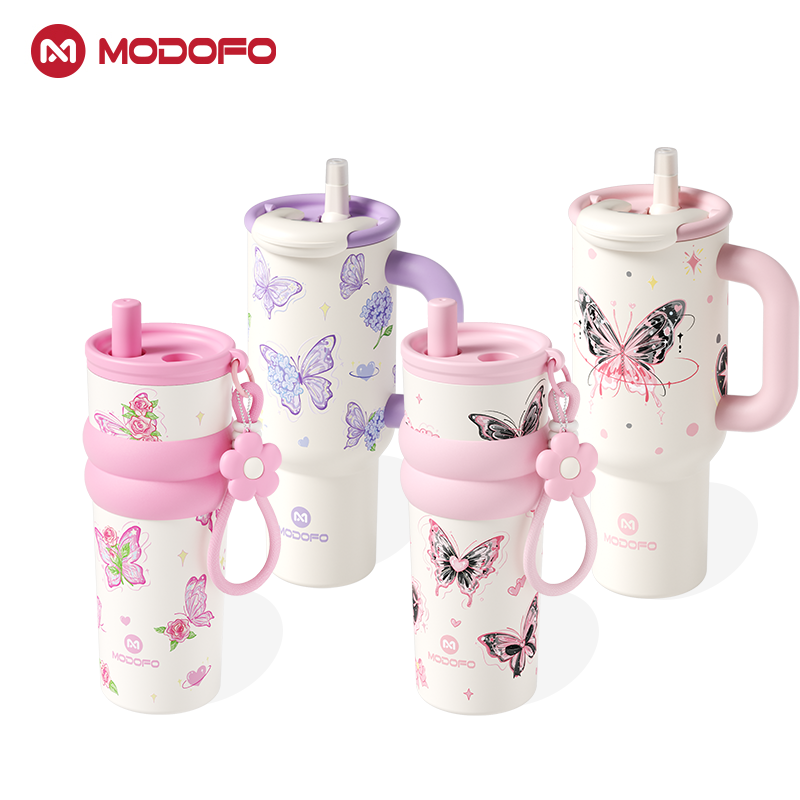
A suitable water bottle can make hydration more convenient.
Different situations may require different features.
Tropical Cities
Ideal features:
- Large capacity
- Strong insulation
- Leak resistance
High-Altitude Travel
Useful characteristics:
- Lightweight design
- Easy portability
Office Environments
Helpful features:
- Desk-friendly size
- Easy one-handed access
Outdoor Activities
Recommended qualities:
- Durability
- Secure lid
- Temperature retention
The best bottle is often the one that encourages consistent use.
Conclusion: Hydration Is About More Than Water
Hydration in South America is shaped by geography, climate, lifestyle, and culture.
The challenges of a humid Amazon afternoon differ dramatically from those of a high-altitude trek in Peru or a busy workday in São Paulo.
Effective hydration is not simply about reaching a specific number of liters each day.
It is about understanding your environment and responding appropriately.
By paying attention to climate, activity levels, beverage choices, and daily habits, people can make hydration feel less like a rule and more like a natural part of a healthy lifestyle.
References & Further Reading
Disclaimer: This article is intended for educational and informational purposes only. It does not constitute medical advice. Individual hydration needs vary based on age, health status, physical activity, climate, and other factors. Readers should consult qualified healthcare professionals regarding specific health concerns.
Research & Health Organizations
- World Health Organization (WHO) — Hydration and Safe Drinking Water Resources
- Pan American Health Organization (PAHO) — Public Health Guidance for Latin America
- Harvard T.H. Chan School of Public Health — Healthy Beverage Recommendations
- Mayo Clinic — Hydration and Fluid Balance Information
- U.S. National Academies of Sciences, Engineering, and Medicine — Dietary Reference Intakes for Water
Travel & Environmental Resources
- South American climate and geography publications
- Outdoor recreation and high-altitude travel guidance
- Regional weather and environmental reports
Community & Cultural References
Insights referenced throughout this article reflect commonly discussed experiences shared across:
- South American travel communities
- Hiking and trekking forums
- Outdoor adventure groups
- Coffee and mate enthusiast communities
- Hydration and wellness discussion groups
These community experiences help illustrate how people adapt hydration habits across South America's remarkably diverse climates and lifestyles.