

Why Some Spaces Always Feel Like Home
Introduction: Not Every Place Feels the Same
Have you ever noticed how certain places immediately make you feel calmer?
A neighborhood café where the barista remembers your order.
A quiet bookstore you've visited for years.
The kitchen where your family gathers every weekend.
A familiar park where you enjoy an evening walk.
A train station you've passed through hundreds of times.
None of these places are extraordinary.
Yet they carry an extraordinary feeling.
They offer something increasingly valuable in a fast-changing world:
A sense of familiarity.
As cities grow, technology advances, and our lives become more mobile, familiar places quietly become emotional anchors.
They remind us who we are, where we belong, and how everyday life can feel beautifully ordinary.
Familiarity Creates Comfort
Human beings naturally seek patterns.
We enjoy recognizing faces, routines, and places because familiarity reduces uncertainty.
Walking into a café where everything feels familiar requires almost no mental effort.
You already know where to sit.
You know how the coffee tastes.
You know the atmosphere.
Nothing needs to be explained.
This quiet predictability creates comfort.
It allows our minds to relax instead of constantly making decisions.
Sometimes the greatest luxury is simply feeling at ease.
The Places That Shape Our Memories
Many of our strongest memories are connected to places rather than objects.
The kitchen where birthdays were celebrated.
A school library filled with quiet afternoons.
A park where childhood games lasted until sunset.
A train platform where loved ones were welcomed home.
A favorite café where important conversations unfolded.
These places become part of our personal stories.
Years later, returning to them can instantly bring back emotions we thought we had forgotten.
Places quietly preserve memories in ways photographs never fully can.
Why We Keep Returning to the Same Coffee Shop
People often believe they choose cafés because of the coffee.
In reality, many return because of how the place makes them feel.
The familiar music.
The comfortable chair by the window.
The warm greeting.
The soft lighting.
The predictable rhythm.
These small details create a feeling of belonging.
The café becomes more than somewhere to drink coffee.
It becomes part of a daily ritual.
A place where work begins.
Ideas appear.
Books are finished.
Friendships grow.
Sometimes, what we return to is not the location itself.
It is the version of ourselves we become there.
Spaces That Feel Like Home
Home is not always defined by an address.
Many people discover pieces of home in unexpected places.
A quiet reading corner in a library.
A community garden.
A neighborhood bakery.
A coworking space.
A local market.
Even a favorite bench beneath a familiar tree.
These places offer something beyond physical shelter.
They create emotional safety.
They allow people to slow down, breathe deeply, and simply exist without pressure.
Home, in many ways, is a feeling before it is a location.
Neighborhoods Give Everyday Life Meaning
Large cities can sometimes feel anonymous.
Yet within every city are neighborhoods filled with familiar faces and everyday rituals.
The florist arranging fresh flowers every morning.
The bakery opening before sunrise.
Children walking to school.
Neighbors greeting one another.
The elderly couple feeding birds in the park.
These repeated moments quietly build community.
Belonging rarely arrives through grand events.
It grows through ordinary encounters repeated over time.
The places closest to home often become the ones that shape us most deeply.
Familiar Places Support Mental Well-Being
Modern life constantly asks us to adapt.
New technologies.
New workplaces.
New cities.
New information.
Familiar places provide balance.
They reduce decision fatigue.
Lower stress.
Encourage relaxation.
Create emotional stability.
Sometimes the most restorative experience is not traveling somewhere new.
It is returning somewhere familiar.
A place where we already know we belong.
Everyday Rituals Give Places Their Meaning
Places become meaningful because of what we do there.
Morning coffee at the same table.
Reading before bed in a favorite chair.
Preparing dinner together every Sunday.
Walking the same path every evening.
Sharing tea with family after work.
These rituals transform ordinary spaces into meaningful places.
Without the rituals, a room is simply a room.
With them, it becomes part of our identity.
Life is remembered not only through events but through the rhythms we repeat.
Thoughtful Design Helps People Feel at Home
Some spaces immediately invite people to stay.
Natural light.
Comfortable seating.
Warm materials.
Plants.
Quiet corners.
Soft textures.
Simple organization.
These elements are rarely dramatic.
Yet together they create environments that feel welcoming.
Good design is not only beautiful.
It helps people feel comfortable enough to create memories.
The best spaces are not the ones that impress us for a moment.
They are the ones we never want to leave.
The MODOFO GLOBAL Philosophy
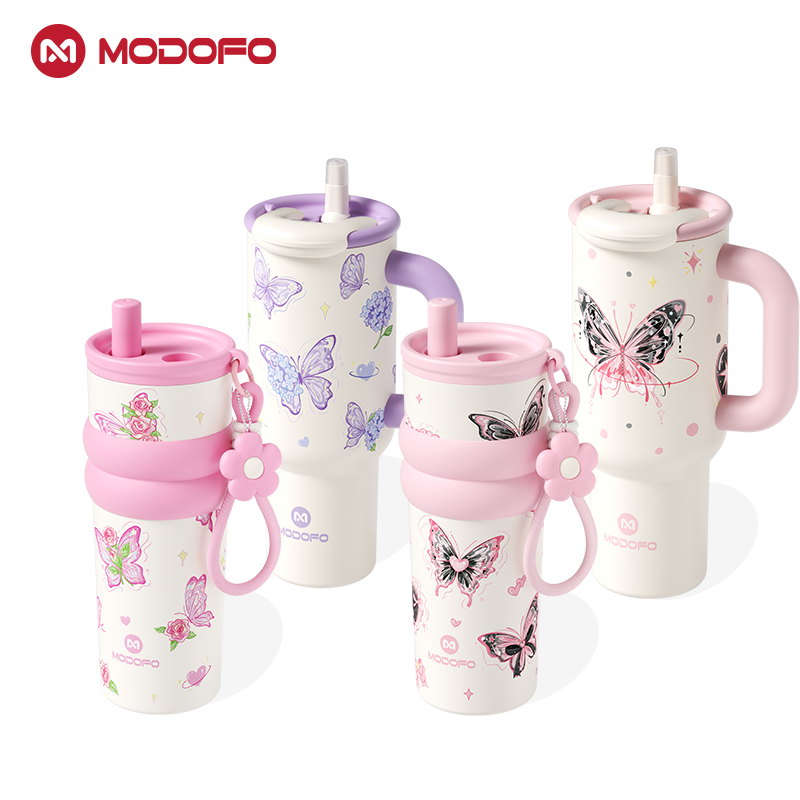
At MODOFO GLOBAL, we believe the most meaningful everyday moments often happen in familiar places.
Morning coffee in your favorite mug.
Tea shared around the kitchen table.
A reusable bottle carried on the same walking route every evening.
Quiet reading by a sunny window.
Weekend conversations with friends at the neighborhood café.
Thoughtfully designed everyday essentials become part of these routines.
Over time, they quietly accompany the memories we create.
Because great products are not only designed to travel with us.
They are designed to belong with us—wherever life feels most like home.
Conclusion: The Places We Love Also Shape Us
The world will continue to change.
Cities will grow.
Technology will evolve.
People will move more often than ever before.
Yet one thing is unlikely to change.
Our need for places that feel familiar.
Places where we feel understood.
Places where routines become rituals.
Places where ordinary moments become lasting memories.
Perhaps the places we return to again and again are not simply locations.
They are reflections of the lives we hope to live.
Because in the end, the places that stay with us are rarely the most famous.
They are the ones where we laughed, rested, shared, created, and quietly felt at home.
The most meaningful places aren't always the most extraordinary. They're the ones that quietly become part of who we are.