

How Real Connections, Local Places, and Everyday Gatherings Are Redefining Modern Life
Introduction: In a Connected World, Why Do So Many People Feel Disconnected?
We have never been more connected.
A message can travel across the world in seconds.
Video calls bring families together across continents.
Social media allows us to follow thousands of people every day.
Artificial intelligence can answer almost any question within moments.
Yet despite all of this, one feeling continues to appear in conversations around the world:
Loneliness.
Across North America and Europe, people are increasingly searching for something technology cannot fully provide—a genuine sense of belonging.
Not simply more followers.
Not more notifications.
Not another online community.
But real places.
Real conversations.
Real faces.
A favorite neighborhood café where the barista remembers your order.
A Saturday morning farmers' market filled with familiar vendors.
A weekly running club where no one cares how fast you are.
A local bookstore that quietly feels like a second home.
These places remind us of something surprisingly simple.
People don't just need connection.
They need community.
And perhaps the future of modern living will be defined not only by smarter technology, but by stronger human relationships.
Belonging Is Becoming the New Luxury
For decades, success was often measured by individual achievement.
A better career.
A bigger home.
More possessions.
More independence.
Today, many people are redefining what a good life looks like.
Instead of asking,
"How much do I own?"
they're beginning to ask,
"Where do I belong?"
Belonging creates something that money cannot easily buy.
A feeling of being recognized.
Welcomed.
Missed when you're absent.
Celebrated when you return.
This is why neighborhood cafés, community gardens, local markets, and shared public spaces are becoming increasingly valuable.
They offer something digital platforms cannot.
The comfort of familiarity.
The Neighborhood Is Becoming More Meaningful
Modern cities are often large.
Busy.
Anonymous.
Yet people naturally seek smaller circles within them.
The streets they walk every morning.
The bakery they visit every weekend.
The coffee shop where they read.
The nearby park where dogs recognize one another before their owners do.
These ordinary places quietly become extensions of home.
Over time, neighbors become acquaintances.
Acquaintances become friends.
Small conversations become trusted relationships.
Community rarely appears overnight.
It grows through repeated encounters.
One hello becomes another.
One visit becomes a routine.
Eventually, a place begins to feel like it belongs to you—and you belong to it.
Coffee Shops Have Become Modern Community Spaces
Coffee shops are no longer simply places to buy coffee.
They have become some of today's most important social spaces.
Students study together.
Remote workers spend entire mornings creating.
Friends reconnect after busy weeks.
Parents meet after school drop-offs.
Artists sketch.
Readers finish another chapter.
Entrepreneurs discuss new ideas.
No one expects everyone inside to know one another.
Yet there is a quiet sense of shared presence.
Everyone has chosen to spend part of their day together.
Without needing an invitation.
The modern café has quietly become one of the world's most accessible community spaces.
Clubs Are Returning to Everyday Life
One of the strongest lifestyle trends in recent years is the return of simple, interest-based communities.
Running clubs.
Walking groups.
Book clubs.
Community gardens.
Cycling groups.
Photography meetups.
Language exchanges.
Cooking workshops.
Board game nights.
These gatherings aren't built around status.
They're built around shared interests.
People no longer attend simply to improve a skill.
They come because they want to spend time with others who enjoy the same things.
A shared hobby often becomes the beginning of meaningful friendship.
Why Shared Experiences Matter More Than Shared Opinions
Online conversations often encourage people to debate.
Offline communities encourage people to participate.
Cooking together.
Walking together.
Reading the same book.
Exploring a local trail.
Volunteering for a neighborhood event.
Watching a sunset after a community run.
Experiences create memories.
Memories create trust.
Trust creates lasting relationships.
The strongest communities are rarely built because everyone thinks the same way.
They're built because people continue showing up together.
Local Events Create Lasting Connections
Farmers' markets.
Street festivals.
Outdoor concerts.
Community clean-up days.
Seasonal celebrations.
Holiday markets.
Neighborhood picnics.
These events may last only a few hours.
Yet they often leave memories that last for years.
They encourage spontaneous conversations.
Children make friends.
Local businesses become familiar.
Neighbors recognize one another.
Communities become more than collections of houses.
They become places filled with stories.
Small Businesses Help Communities Feel Human
Independent cafés.
Family-owned bookstores.
Local bakeries.
Flower shops.
Weekend markets.
These places offer more than products.
They offer relationships.
The owner remembers your favorite bread.
The bookseller recommends your next novel.
The florist asks how your garden is growing.
These moments may seem insignificant.
Yet together they create something remarkably valuable.
They remind people they are seen.
Supporting local businesses often strengthens communities because it strengthens everyday relationships.
Everyday Rituals Bring People Together
Many communities aren't built through major events.
They're built through ordinary routines.
The same morning coffee.
The same evening walk.
The same Saturday market.
The same Sunday yoga class.
The same lunch spot.
The same neighborhood bookstore.
These habits create opportunities for repeated encounters.
Familiar faces slowly become familiar names.
Conversations become friendships.
Friendships become support systems.
Belonging often begins with simply returning.
Community Improves Well-Being
Researchers continue to find that strong social relationships contribute to overall well-being.
People with meaningful social connections often report greater life satisfaction, stronger resilience during difficult times, and a deeper sense of purpose.
Community doesn't eliminate life's challenges.
But it changes how people experience them.
Celebrations become more joyful when shared.
Difficult moments become more manageable with support.
Even ordinary weekdays feel brighter when someone greets you by name.
Perhaps happiness has always been more social than we imagined.
Technology Can Help Us Meet—But It Shouldn't Replace Meeting
Technology plays an important role in modern communities.
People discover local events online.
Join neighborhood groups.
Find running clubs.
Register for volunteer activities.
Organize weekend gatherings.
Technology makes connection easier.
But it isn't the destination.
The real value appears when people close the app and step outside.
When conversations happen face to face.
When coffee is shared across a table instead of through a screen.
When neighbors become friends rather than usernames.
The future isn't about choosing between digital and physical communities.
It's about allowing technology to support real relationships instead of replacing them.
The MODOFO GLOBAL Philosophy
At MODOFO GLOBAL, we believe everyday life becomes richer when it's shared.
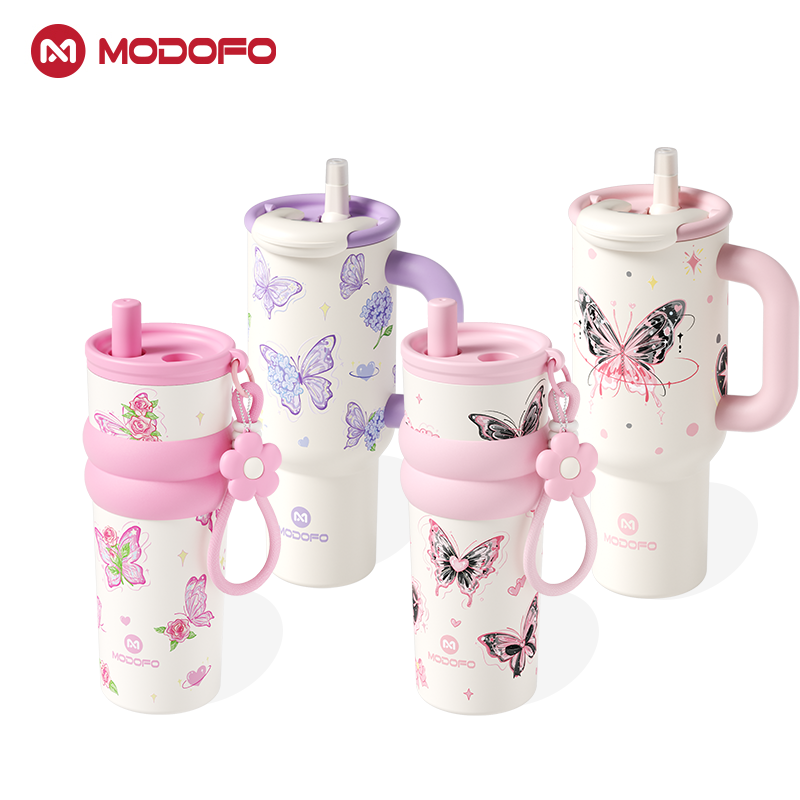
A reusable bottle carried during a community run.
A tumbler joining conversations at the neighborhood café.
Tea shared during a book club.
Coffee enjoyed while exploring a local market.
Picnics with friends.
Family dinners.
Weekend adventures.
The products we use every day aren't meant to become the center of attention.
They're simply there to support the moments that bring people together.
Because great design isn't only about improving individual experiences.
It's also about creating more opportunities to connect with others.
Conclusion: The Future Belongs to Communities
The future will undoubtedly bring smarter technology.
More flexible work.
More connected devices.
More digital convenience.
But none of these innovations can replace something fundamentally human.
The feeling of belonging.
A familiar smile.
A favorite café.
A shared meal.
A weekly tradition.
A neighborhood that feels like home.
The strongest communities are not built overnight.
They grow through ordinary moments repeated over time.
One conversation.
One coffee.
One walk.
One gathering.
Again and again.
Because in the end, people rarely remember how many followers they had.
They remember the people who showed up.
The places that welcomed them.
And the communities that made them feel they truly belonged.
The future of belonging isn't built through algorithms. It's built one conversation, one shared experience, and one welcoming community at a time.