
MODOFO GLOBAL
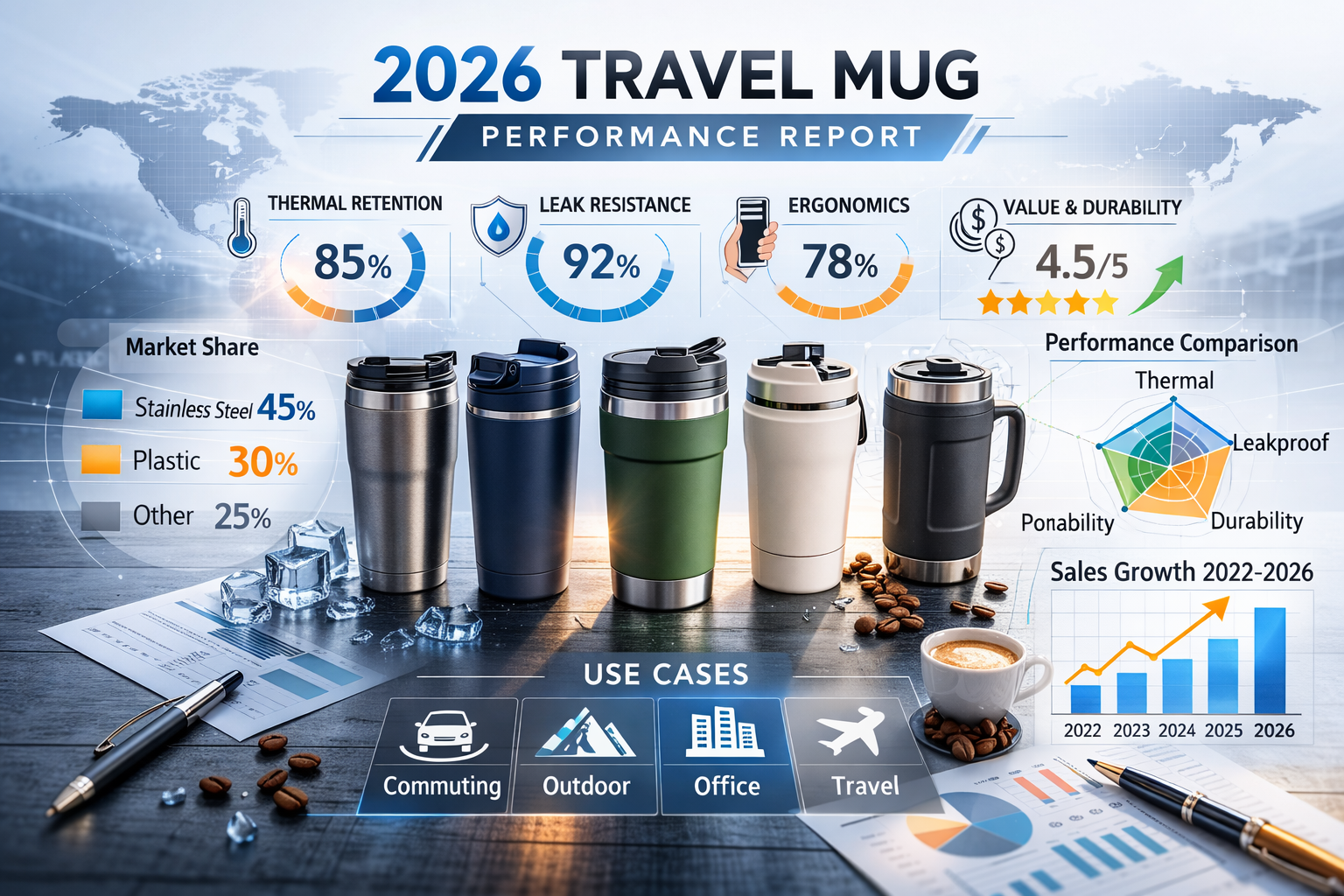

Water Bottle Industry Report 2026 MODOFO Insight
Market Landscape, Performance Standards & Brand Comparison.The reusable water bottle market in 2026 is no longer defined by simple hydration.
Saber mais
Best Coffee Tumbler: Practical Evaluation Standards & Criteria
Discover how to define the best coffee tumbler using a practical evaluation framework covering insulation, materials, lid design, cleaning, and lifecycle value.
Saber mais
The Complete Guide to Water Bottle Cleaning Tools & Long-Term Maintenance
Learn how to keep your reusable water bottles hygienic and long-lasting. Discover essential cleaning tools, odor removal, stain prevention, and storage tips.
Saber mais
Reusable Drink Bottles: From Sustainability Symbol to Everyday Infrastructure
Explore how reusable drink bottles evolved from eco products to lifestyle essentials. Learn about materials, market growth, and future trends.
Saber mais
Viral Drinkware Trends: From Pop-Up Bottles to Giant Tumblers
Explore the most viral drinkware designs of the past decade, from pop-up straw bottles to oversized tumblers. Discover why they became cultural sensations.
Saber mais
Reusable Drinkware in 2026: A Strategic Evaluation of Materials, Lifecycle Cost, and Sustainability
Compare 304 vs 316 stainless steel, Tritan, glass and silicone drinkware. Analyze durability, lifecycle cost and sustainability impact for smarter 2026 decisions.
Saber mais
Multi-Environment Tumbler: One Cup for Home, Office, Travel
Discover how a multi-environment tumbler adapts to home, commute, office, and outdoor use. Explore design trade-offs, insulation performance, capacity balance, and durability factors.
Saber mais
The Multi-Environment Tumbler: One Cup, Many Contexts
Explore how a multi-environment tumbler adapts to work, commuting, travel, fitness, and home use. Design, durability, insulation, and lifestyle versatility explained.
Saber mais
Small Home Upgrades That Quietly Improve Daily Life
A practical guide to small home upgrades that reduce daily friction, improve comfort, and quietly enhance everyday routines.
Saber mais