
Why More People Are Choosing Everyday Comfort Over Traditional Luxury
For generations, luxury was often associated with rarity, exclusivity, and high price tags.
Luxury meant designer fashion, luxury cars, five-star resorts, and products that signaled status and success. It was something people aspired to own and often something they wanted others to notice.
But in recent years, a subtle shift has been taking place.
Across different age groups and lifestyles, many consumers are beginning to redefine what luxury means. Instead of focusing solely on expensive purchases or occasional indulgences, people are increasingly investing in small improvements that enhance their everyday experiences.
These purchases may not attract attention on social media or impress strangers, but they often provide something much more valuable: daily satisfaction.
This growing trend is often described as the rise of "micro luxuries."
And for many people, these small upgrades are making life significantly better.
What Are Micro Luxuries?
Micro luxuries are everyday products, experiences, or habits that create a sense of comfort, enjoyment, or personal satisfaction.
Unlike traditional luxury goods, they are not necessarily expensive.
In fact, one of their defining characteristics is accessibility.
A micro luxury might be:
-
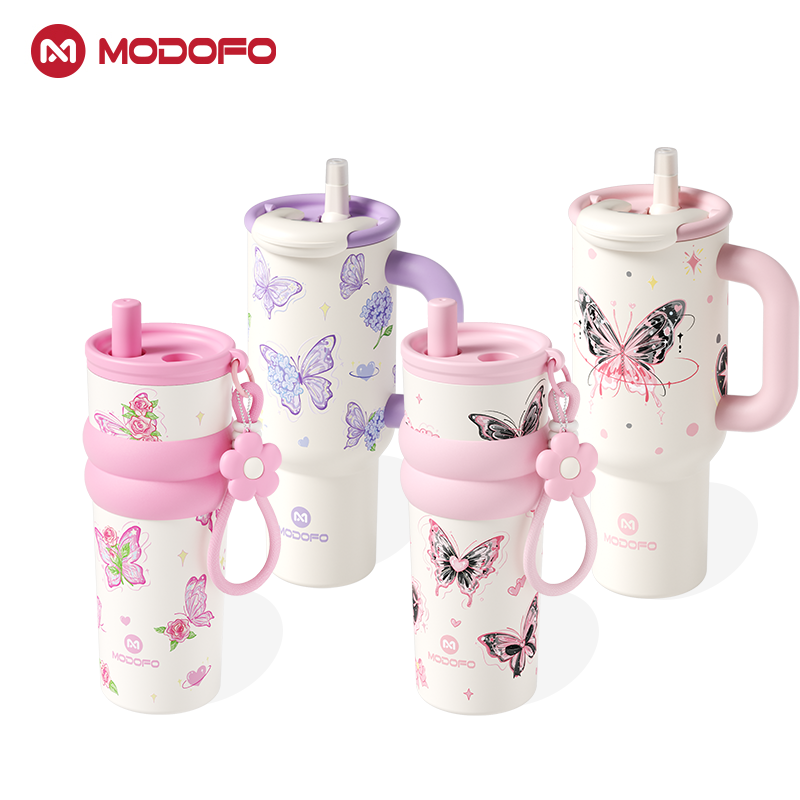
A favorite insulated tumbler that keeps drinks cold all day
-
Fresh coffee brewed at home every morning
-
Soft, high-quality bed sheets
-
A beautifully designed notebook
-
A scented candle after a long workday
-
Noise-canceling headphones during a commute
-
Fresh flowers on a dining table
-
A comfortable reading chair
None of these items are extravagant.
Yet they contribute to something many people value more than status: a better daily experience.
Micro luxuries are not about showing wealth.
They are about creating moments of enjoyment within ordinary life.
Why the Meaning of Luxury Is Changing
To understand why micro luxuries are becoming more popular, it is important to understand how modern lifestyles have evolved.
Today's consumers face a very different reality compared to previous generations.
Work is increasingly digital.
Schedules are often packed.
Notifications never seem to stop.
Many people feel connected to everything and everyone, yet simultaneously disconnected from themselves.
In this environment, traditional luxury purchases do not always address the challenges people experience most frequently.
Owning expensive possessions may provide temporary excitement, but it does not necessarily reduce stress, improve sleep, or create a sense of balance.
As a result, many consumers are beginning to prioritize purchases that directly improve their everyday lives.
The question is no longer:
"What is the most impressive thing I can buy?"
Instead, people are asking:
"What makes my day better?"
That shift is driving the growth of micro luxuries across multiple industries.
The Psychology of Small Pleasures
One reason micro luxuries are so effective is that happiness is often influenced by frequent positive experiences rather than occasional major events.
Many people spend years working toward large goals:
-
Buying a home
-
Advancing their careers
-
Traveling internationally
-
Achieving financial milestones
While these accomplishments are meaningful, they do not happen every day.
Daily life, on the other hand, consists of hundreds of small moments.
A pleasant morning routine.
A comfortable workspace.
A refreshing drink on a hot afternoon.
A relaxing evening at home.
These moments may seem insignificant individually, but together they shape how people experience life.
Research in positive psychology has consistently suggested that repeated small pleasures can contribute significantly to overall well-being. Small positive experiences often have a cumulative effect, influencing mood, motivation, and life satisfaction over time.
Micro luxuries work because they improve the moments that make up most of our lives.
Why Everyday Comfort Matters More Than Ever
Comfort has become increasingly valuable in a world that often feels overstimulating.
People today spend significant amounts of time managing information, deadlines, responsibilities, and digital communication.
As a result, products and experiences that reduce friction are becoming more desirable.
Comfort no longer feels like an extra benefit.
It feels essential.
This can be seen across multiple lifestyle categories.
Consumers are investing more in:
-
Better sleep environments
-
Ergonomic workspaces
-
Reusable hydration products
-
Home organization
-
Wellness routines
-
Personal care products
-
Comfortable clothing
These purchases share a common purpose.
They help people feel better during ordinary moments.
And because those moments occur every day, the impact is often greater than people expect.
The New Luxury Is Frequency, Not Price
Traditional luxury often focused on cost.
Micro luxury focuses on frequency.
Consider two purchases:
One is an expensive item used a few times per year.
The other is a thoughtfully designed product used multiple times every day.
Which one creates more value?
For many consumers, the answer is increasingly the second option.
A well-made tumbler used throughout the day.
A favorite coffee mug.
A comfortable office chair.
A reliable backpack.
A quality pillow.
These products become integrated into daily routines.
They continuously contribute to comfort and convenience.
The value comes not from their price but from their presence in everyday life.
The Rise of Intentional Consumption
Another factor driving the micro luxury movement is the growing popularity of intentional living.
Consumers are becoming more selective about what they bring into their lives.
Rather than purchasing large quantities of products, many people prefer fewer items that offer greater value.
This approach encourages questions such as:
-
Will I use this regularly?
-
Does it improve my routine?
-
Is it well-made?
-
Will it last?
-
Does it align with my lifestyle?
These considerations reflect a broader shift toward quality over quantity.
People are learning that satisfaction often comes from choosing better rather than simply choosing more.
Micro luxuries fit naturally into this philosophy because they are practical, useful, and frequently enjoyed.
Hydration as a Micro Luxury
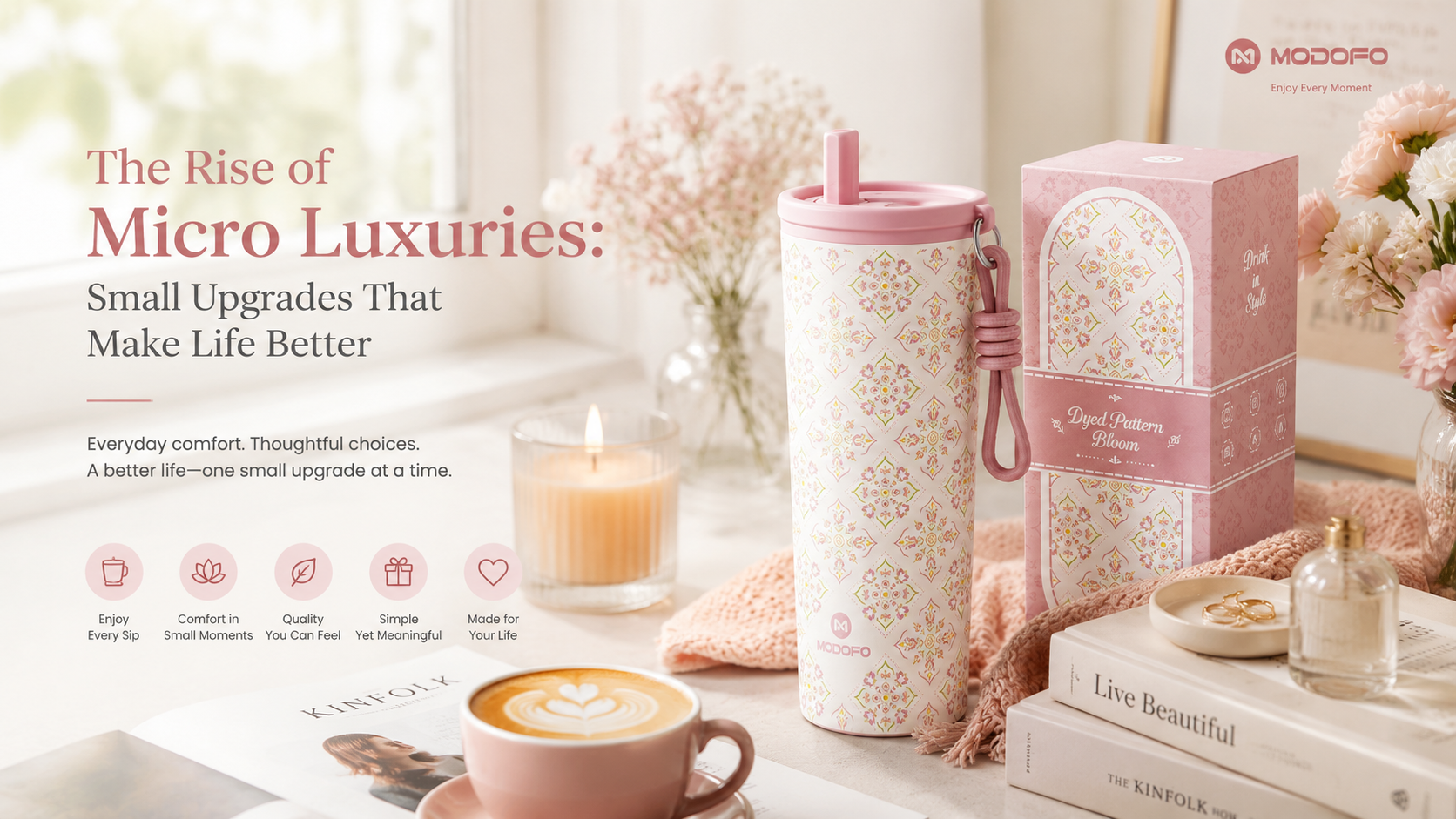
One example of this trend can be seen in the growing popularity of reusable tumblers and insulated water bottles.
Drinking water is one of the most ordinary activities in daily life.
Yet many people discover that having a bottle they genuinely enjoy using changes their behavior.
A thoughtfully designed tumbler offers benefits beyond hydration.
It can make drinking water more convenient.
It can keep beverages cold during long workdays.
It can accompany commutes, workouts, and travel.
Most importantly, it becomes part of a daily ritual.
Something simple becomes more enjoyable.
That is the essence of a micro luxury.
It is not necessarily about the product itself.
It is about the experience the product helps create.
Creating a Home That Feels Better
The concept of micro luxuries extends beyond products.
It also influences how people design their living spaces.
A growing number of consumers are focusing on creating homes that feel comfortable, calming, and functional.
This does not require expensive renovations.
Small changes often make a meaningful difference:
-
Better lighting
-
Organized storage
-
Comfortable seating
-
Indoor plants
-
Soft textiles
-
Personal décor
These improvements help transform ordinary environments into spaces that support relaxation and well-being.
When people spend significant time at home, these details become increasingly important.
Sustainability and Long-Term Value
Micro luxuries also align with growing interest in sustainability.
Consumers are becoming more aware of the environmental impact of disposable products and impulse purchases.
Rather than constantly replacing low-quality items, many people prefer products designed for long-term use.
A durable water bottle.
A reusable tumbler.
A quality kitchen tool.
A well-made travel accessory.
These purchases often reduce waste while delivering better long-term value.
The result is a lifestyle that feels both practical and responsible.
Why This Trend Is Likely to Continue
The rise of micro luxuries is not simply a passing trend.
It reflects deeper changes in consumer priorities.
People increasingly value:
-
Comfort
-
Wellness
-
Convenience
-
Sustainability
-
Meaningful experiences
-
Work-life balance
These values influence purchasing decisions across industries, from home goods and personal care products to travel, technology, and lifestyle accessories.
As consumers continue seeking ways to improve everyday life, products and experiences that provide consistent enjoyment will remain highly relevant.
The future of luxury may not be defined by exclusivity alone.
Instead, it may be defined by usefulness, quality, and the ability to make ordinary moments feel extraordinary.
Conclusion
Luxury is no longer limited to rare occasions or expensive purchases.
For many people, luxury now exists in the details of everyday life.
A quiet morning.
A favorite drink.
A comfortable home.
A thoughtfully designed product used every day.
These experiences may seem small, but their impact can be significant.
Because life is not lived through occasional milestones.
It is lived through daily moments.
And when those moments become more comfortable, more enjoyable, and more intentional, the overall quality of life improves.
That is why micro luxuries are becoming one of the defining lifestyle trends of our time.
Not because they are extravagant.
But because they make ordinary life feel a little better every single day.
Suggested References
- The World Happiness Report
- Harvard Business Review – Consumer Well-Being Trends
- McKinsey & Company – Consumer Lifestyle and Wellness Reports
- Deloitte Consumer Trends Reports
- Global Wellness Institute Lifestyle Insights
- Kinfolk Magazine (Lifestyle & Intentional Living Content)
- Psychology Today – Happiness and Everyday Rituals