
Part 1 — Planning a Comfortable Spring Journey Starts with Better Hydration
Introduction: Welcome to Spring in South America
While much of the Northern Hemisphere prepares for autumn, South America welcomes one of its most beautiful seasons.
From September to November, winter gradually gives way to spring. Vineyards begin to turn green again, wildflowers bloom across mountain valleys, temperatures become milder, and longer daylight hours invite people outdoors.
For many travelers, this is one of the best times to explore the continent.
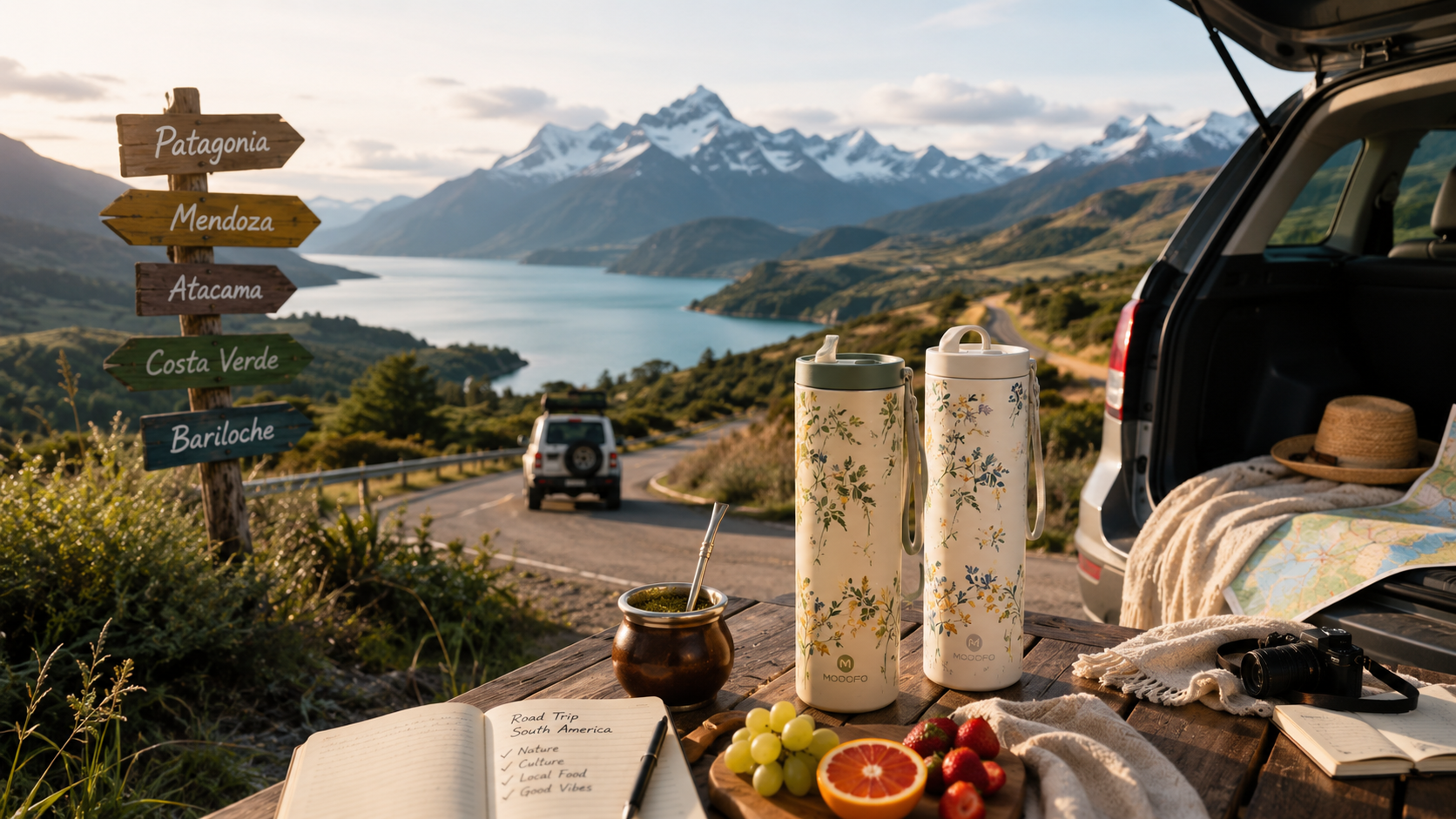
Whether you're planning a scenic drive through Argentina's wine country, hiking in Chilean national parks, cycling along Brazil's coastline, or simply enjoying cafés and public gardens in Uruguay, spring offers comfortable weather without the intense summer crowds found later in the year.
Yet one important travel essential is often overlooked:
Staying properly hydrated throughout the journey.
Hydration isn't only about drinking enough water.
The beverages you choose, the climate you travel through, and even the type of reusable bottle you carry can all influence your comfort, energy levels, and overall travel experience.
Rather than treating hydration as an afterthought, consider it part of your travel planning—just like choosing comfortable shoes or packing the right clothing.
Why Spring Is the Ideal Season for Road Trips
South America's spring offers a balance that many travelers appreciate.
Temperatures are generally mild.
Nature begins to recover after winter.
Popular attractions remain less crowded than during peak summer holidays.
Road conditions are often favorable, making this season especially suitable for self-driving holidays and weekend escapes.
Some of the continent's most rewarding spring destinations include:
- The vineyards of Mendoza, Argentina
- The flowering landscapes of Patagonia
- The lakes surrounding Bariloche
- Chile's scenic wine valleys
- Brazil's Atlantic coastline
- Uruguay's coastal towns
- Colombia's coffee-growing regions
Unlike summer, when intense heat may discourage long outdoor activities, spring allows visitors to spend more time walking, hiking, sightseeing, or exploring local markets.
Ironically, this comfortable weather can also make people forget to drink enough fluids.
Because you don't always feel thirsty, mild temperatures may lead to gradual dehydration during long days of travel.
Hydration During Travel: More Important Than Many People Realize
Travel changes daily routines.
You wake up earlier.
Spend more time outdoors.
Walk greater distances.
Sit for long periods while driving.
Drink more coffee at roadside cafés.
Eat meals at irregular times.
All of these small changes influence your hydration habits.
Research from organizations including the World Health Organization (WHO) and the European Food Safety Authority (EFSA) emphasizes that fluid needs vary according to climate, physical activity, health status, and individual differences. There is no single "eight glasses a day" rule that fits everyone.
Instead, travelers benefit from paying attention to practical signs such as:
- Feeling thirsty
- Dry mouth
- Fatigue
- Dark-colored urine
- Reduced concentration
These signals often appear gradually, especially during sightseeing or long drives when drinking water isn't always a priority.
Keeping a reusable bottle within easy reach encourages more frequent sipping throughout the day, making hydration feel effortless rather than something to remember later.
Five Spring Destinations Worth Exploring
Spring transforms landscapes across South America in remarkably different ways.
Each region offers unique scenery—and unique hydration needs.
1. Mendoza, Argentina
Known internationally for its vineyards and mountain views, Mendoza enjoys pleasant spring temperatures that are ideal for cycling tours and winery visits.
Travelers often spend long afternoons outdoors, making regular water intake important alongside wine tastings.
A reusable insulated bottle helps keep water cool between stops without relying on disposable plastic bottles.
2. Bariloche, Argentina
As snow begins to retreat from lower elevations, lakeside trails and forests become increasingly accessible.
Morning temperatures can still feel cool, while afternoons are pleasantly warm.
Packing both hot tea for early mornings and cold water for afternoon walks becomes a practical choice.
An insulated tumbler capable of maintaining both hot and cold beverages offers flexibility throughout the day.
3. Patagonia
Spring brings stronger winds but spectacular scenery.
Whether hiking, photographing wildlife, or enjoying scenic drives, travelers often spend several hours outdoors.
Wind can increase moisture loss without creating the same obvious sensation of sweating found in hot weather.
Drinking water regularly—even when you don't feel especially thirsty—helps support comfort during long outdoor excursions.
4. Central Chile
Wine regions such as the Casablanca and Colchagua Valleys begin turning vibrant green.
Spring picnics, local farmers' markets, and countryside drives become increasingly popular.
Fresh fruit, local cheeses, sparkling water, and herbal teas pair naturally with slow-paced outdoor afternoons.
5. Southern Brazil and Uruguay
Cities including Porto Alegre, Florianópolis, Montevideo, and Punta del Este gradually transition into warmer weather.
Outdoor cafés, waterfront promenades, cycling paths, and botanical gardens become lively gathering places.
Carrying a reusable bottle while exploring these cities reduces reliance on disposable drinks while making it easier to stay refreshed throughout the day.
Smart Drinks for Every Stage of Your Journey
One of the simplest ways to stay comfortable while traveling is to match your beverages to your activities.
Different moments call for different drinks.
Before Leaving
Begin your day with a glass of water before setting off.
Starting well hydrated reduces the need to "catch up" later in the day.
If you enjoy coffee in the morning, pairing it with water helps establish a balanced routine rather than replacing hydration altogether.
During Scenic Drives
Long hours behind the wheel often lead people to rely on coffee alone.
Coffee can certainly be part of a road trip, but alternating it with water keeps the journey more comfortable.
Many drivers find it useful to keep:
- Plain water
- Sparkling water
- Lemon-infused water
- Unsweetened iced tea
within easy reach throughout the drive.
Choosing beverages with lower sugar content can also help avoid energy fluctuations during extended travel.
While Walking Through Cities
Exploring historic neighborhoods, museums, public parks, and open-air markets involves much more walking than most people expect.
Instead of waiting until lunchtime to drink, small amounts of water consumed regularly throughout the morning often feel more refreshing.
Fruit-infused water with slices of citrus, cucumber, berries, or mint provides gentle flavor without relying heavily on sugary soft drinks.
It also reflects the relaxed, outdoor lifestyle that many South American cities embrace during spring.
During Hiking and Outdoor Activities
Trails through mountains, forests, and nature reserves require a different hydration approach.
Depending on activity level and weather conditions, water alone may not always be sufficient for longer excursions.
Many hikers choose beverages such as:
- Electrolyte drinks with moderate sugar content
- Coconut water
- Light herbal infusions
- Mineral water
These drinks can complement regular water intake, particularly during extended physical activity or warmer spring afternoons.
The best choice depends on the duration and intensity of the activity rather than following a one-size-fits-all recommendation.
Travel More Comfortably with the Right Drinkware
A reusable bottle becomes one of the most frequently used travel accessories.
Unlike maps or cameras, it is used repeatedly throughout the day.
The most practical travel drinkware isn't necessarily the largest.
Instead, travelers often value features such as:
- Leak-resistant lids for backpacks and car cup holders.
- Double-wall insulation to keep drinks cold during sunny afternoons or warm on cool mornings.
- Comfortable carry handles for walking through airports, parks, or city streets.
- Easy-to-clean designs that simplify maintenance while staying in hotels or vacation rentals.
Choosing a bottle that fits naturally into your travel routine makes healthy hydration easier without requiring extra effort.
Part 2 — Travel Smarter, Stay Refreshed, and Enjoy the Journey
Refreshing Drinks for Long Drives
Road trips are one of the best ways to experience South America's changing landscapes. From winding mountain roads in the Andes to coastal highways in Brazil and scenic vineyard routes in Argentina, driving offers the freedom to explore at your own pace.
However, long hours behind the wheel can also lead to fatigue, especially when travelers rely solely on coffee or sugary soft drinks.
Coffee is an excellent companion during early morning departures because caffeine can temporarily improve alertness for many adults. However, relying on coffee alone isn't the best hydration strategy. Pairing coffee with water throughout the journey helps maintain comfort without replacing regular fluid intake.
A balanced travel drink schedule might look like this:
| Travel Time | Suggested Beverage | Why It Works |
|---|---|---|
| Before Departure | Plain Water | Start the journey well hydrated |
| Morning Drive | Coffee + Water | Support alertness while maintaining hydration |
| Mid-Morning Stop | Sparkling Water | Refreshing without added sugar |
| Lunch Break | Fruit-Infused Water | Light flavor encourages more drinking |
| Afternoon Scenic Stop | Electrolyte Drink (if active) | Replace fluids after walking or hiking |
| Sunset Picnic | Iced Herbal Tea | Relaxing and naturally refreshing |
| Evening at the Hotel | Warm Chamomile or Mint Tea | A comforting way to wind down |
The goal isn't to drink more beverages—it is to choose drinks that suit the pace and activities of the day.
Healthy Spring Snacks That Pair Well with Your Drinks
Hydration works best when combined with balanced nutrition.
Fortunately, South America's spring season offers an abundance of fresh local produce that travels well during road trips and outdoor adventures.
Some practical travel-friendly snacks include:
- Fresh grapes
- Apples
- Oranges
- Bananas
- Mixed berries
- Unsalted nuts
- Whole-grain crackers
- Cheese portions
- Yogurt (kept chilled)
- Trail mix
These foods pair naturally with water, herbal teas, sparkling water, or fruit-infused drinks.
Foods with naturally high water content—such as oranges, watermelon, strawberries, cucumbers, and grapes—also contribute to daily fluid intake while providing vitamins and minerals.
Rather than relying heavily on sugary convenience foods from service stations, packing simple snacks before leaving can make the journey both healthier and more enjoyable.
Car Hydration Tips for Comfortable Road Trips
Many modern vehicles include thoughtfully designed cup holders, making reusable drinkware easier to keep within reach throughout a journey.
Choosing the right bottle can improve convenience without distracting from driving.
Features that many travelers appreciate include:
- A secure, leak-resistant lid.
- A shape that fits standard vehicle cup holders.
- One-handed drinking options when parked or during safe stops.
- Double-wall insulation to maintain drink temperature.
- A comfortable carry handle for rest stops and sightseeing.
Remember that the safest time to drink is when the vehicle is stopped. If you're driving, always prioritize road safety and avoid actions that could take your attention away from the road.
Planning regular breaks every couple of hours not only allows you to stretch and rest but also provides a natural opportunity to drink water, refill your bottle, and enjoy the scenery.
A Reusable Bottle Makes Spring Travel Easier
Travel often involves frequent transitions.
Hotel.
Car.
Train.
Ferry.
Mountain trail.
Beach.
City café.
Airport.
A reliable reusable bottle adapts easily to each setting.
Morning coffee during a sunrise drive.
Cold water while exploring a botanical garden.
Sparkling water at lunch.
Herbal tea beside a lakeside cabin in the evening.
Instead of purchasing multiple disposable drinks throughout the day, carrying one reusable insulated bottle allows travelers to refill whenever clean drinking water is available.
Many cities across South America now offer refill stations in airports, parks, universities, museums, and transportation hubs, making reusable drinkware increasingly practical for both local residents and international visitors.
Keeping Your Bottle Clean While Traveling
Travel shouldn't interrupt good bottle care.
Fortunately, maintaining a reusable bottle on the road requires only a few simple habits.
Every Evening
Before going to bed:
- Empty any remaining beverage.
- Wash the bottle using warm water and mild dish soap whenever possible.
- Clean the drinking lid separately.
- Leave the bottle open to air dry overnight.
After Beach Visits
Sand, sunscreen, and salt spray often collect on the bottle exterior.
A quick rinse with fresh water helps prevent residue from remaining on textured surfaces and carrying straps.
After Hiking
Dust, soil, and plant debris are more likely to affect the outside of the bottle than the inside.
Wiping the exterior before placing the bottle back into a backpack keeps other travel gear cleaner as well.
During Hotel Stays
A small bottle brush and travel-sized dish soap make cleaning quick and convenient.
Even a simple rinse before breakfast can help prevent stains from coffee or tea from developing over multiple days of travel.
Good maintenance doesn't require special equipment—just a few consistent habits.
Spring Travel Is About More Than Reaching a Destination
One of the pleasures of spring travel is slowing down.
Stopping at a roadside fruit stand.
Watching vineyards come back to life.
Enjoying a quiet lakeside picnic.
Walking through a flower market.
Listening to birds in a national park.
Many of these moments naturally encourage healthier routines.
Taking time to refill a bottle.
Preparing fruit-infused water.
Sharing herbal tea with friends.
Choosing reusable drinkware instead of disposable cups.
These small decisions may seem insignificant on their own, yet together they create a more comfortable and environmentally conscious travel experience.
Sustainable Travel Starts with Everyday Choices
Sustainable tourism isn't limited to visiting protected natural areas.
It also includes the habits we practice every day while traveling.
Using a reusable bottle can help reduce the need for single-use plastic bottles and disposable cups during road trips, city walks, and outdoor adventures.
Organizations such as the United Nations Environment Programme (UNEP) continue to encourage practical actions that reduce disposable plastic waste, while many South American cities have expanded public awareness around recycling and reusable products.
Simple travel habits can make a meaningful difference:
- Carry a refillable insulated bottle.
- Refill whenever safe drinking water is available.
- Choose locally prepared fresh drinks instead of individually packaged beverages when appropriate.
- Pack reusable cutlery or cups for picnics.
- Dispose of waste responsibly while exploring natural areas.
These choices support both enjoyable travel experiences and the places we visit.
Conclusion: Enjoy Spring One Sip at a Time
South America's spring invites people outdoors.
The weather is comfortable.
Landscapes become greener.
Roads lead to mountains, coastlines, vineyards, forests, and vibrant cities waiting to be explored.
Whether your journey lasts one afternoon or several weeks, staying hydrated helps you enjoy each destination more comfortably.
Bring water along with your morning coffee.
Pause for fresh fruit and sparkling water during scenic drives.
Pack a reusable bottle that fits naturally into your routine.
Take time to refill, relax, and appreciate the journey rather than rushing toward the next destination.
After all, memorable travel isn't measured only by the places you visit.
It's also shaped by the small everyday habits that help you feel your best along the way.
This spring, let every refill become another reason to slow down, stay refreshed, and discover South America one sip at a time.
References
This article draws upon publicly available information and recommendations from recognized organizations and travel resources, including:
- World Health Organization (WHO). Guidelines for Drinking-water Quality and healthy hydration resources.
- European Food Safety Authority (EFSA). Dietary Reference Values for Water.
- Pan American Health Organization (PAHO). Public health and hydration guidance for the Americas.
- United Nations Environment Programme (UNEP). Reports on reducing single-use plastics through reusable alternatives.
- U.S. National Park Service (NPS). Outdoor safety and hydration recommendations applicable to hiking and recreational travel.
- Harvard T.H. Chan School of Public Health. The Nutrition Source: Healthy Hydration.
- International Journal of Environmental Research and Public Health. Research on hydration, travel behavior, and physical activity.
- Official tourism resources from Argentina, Chile, Brazil, Uruguay, and Colombia for seasonal travel information.
Editor's Note: Hydration needs vary depending on age, activity level, weather conditions, altitude, and individual health. The beverage suggestions in this guide are intended for general travel planning and should be adapted to your personal needs and local conditions.