
How Smaller Spaces Are Inspiring Smarter Homes, Thoughtful Design, and Better Everyday Living
Introduction: Bigger Homes No Longer Define Better Living
For generations, a larger home was often considered a symbol of success.
More bedrooms.
A bigger kitchen.
A larger backyard.
More storage.
More space for more things.
Today, that definition is changing.
Across cities around the world, more people are choosing apartments, studios, compact homes, and even tiny houses. While rising housing costs have influenced this shift, they are only part of the story.
Many people are discovering that living well has less to do with square footage and more to do with how a home supports everyday life.
A thoughtfully designed apartment can feel more comfortable than a house filled with unused rooms.
A compact kitchen can encourage better organization.
A small balcony can become a favorite place for morning coffee.
Living smaller no longer means giving something up.
It often means gaining something far more valuable:
Clarity.
Freedom.
Intentionality.
Perhaps the future of home isn't about having more space.
It's about making every space matter.
Smaller Spaces Encourage More Intentional Living
One of the first lessons compact living teaches is that every object has a purpose.
When space is limited, unnecessary possessions become easier to notice.
Instead of asking,
"Where can I store this?"
People begin asking,
"Do I really need this?"
This simple question changes how people think about ownership.
Objects are no longer chosen because they are trendy or inexpensive.
They are chosen because they contribute to everyday life.
A favorite coffee mug used every morning.
A reusable bottle that travels from home to work and beyond.
A comfortable chair that becomes the preferred place to read.
In a smaller home, every item earns its place.
Rather than limiting life, compact living often helps people understand what they truly value.
A smaller home doesn't reduce your lifestyle.
It helps define it.
Every Room Can Do More Than One Job
Modern homes are becoming increasingly flexible.
The dining table is no longer only for meals.
It becomes a workspace during the day.
A homework station in the afternoon.
A gathering place in the evening.
The living room transforms throughout the day.
Morning yoga.
Afternoon meetings.
Movie nights.
Weekend conversations with friends.
Even a balcony can become a small garden, a coffee corner, or a quiet reading space.
Compact living encourages creativity.
Instead of assigning one purpose to every room, people design spaces that adapt naturally as their routines change.
The home becomes more dynamic—not because it is larger, but because it is more thoughtful.
Better Organization Creates Better Living
Organization is often misunderstood as simply finding places to hide clutter.
In reality, thoughtful organization creates something much more valuable.
Ease.
When everything has a logical place, everyday routines become smoother.
Preparing breakfast takes less time.
Finding your keys becomes effortless.
Cooking feels more enjoyable.
Cleaning requires less effort.
Thoughtful storage is not about owning less for the sake of minimalism.
It is about making daily life feel lighter.
Open shelving keeps everyday essentials within reach.
Vertical storage makes better use of unused walls.
Modular furniture adapts to changing needs.
Simple organizers reduce visual noise.
Organization isn't about creating perfect homes.
It's about creating homes that quietly support everyday living.
Quality Matters More When Space Is Limited
In a spacious home, it is easy for objects to disappear into cupboards, closets, or spare rooms.
In a compact home, almost everything remains visible.
This changes how people shop.
Instead of asking,
"Is this on sale?"
Many people ask,
"Will I still enjoy using this years from now?"
Every purchase becomes more intentional.
Materials matter.
Durability matters.
Comfort matters.
Design matters.
Beautiful products are no longer chosen only because they look good.
They are chosen because they improve daily life every time they are used.
When every object occupies valuable space, quality naturally becomes more important than quantity.
Multi-Purpose Products Make Everyday Life Easier
As lifestyles become more flexible, products are expected to be flexible as well.
One bottle accompanies morning coffee, afternoon meetings, and weekend hikes.
A kitchen cart becomes extra storage, a serving station, and a mobile workspace.
A folding table supports work during the week and family dinners on the weekend.
A backpack carries office essentials one day and travel gear the next.
The best products no longer belong to a single room.
They move naturally between different parts of life.
Their versatility doesn't come from having endless features.
It comes from fitting comfortably into changing routines.
Thoughtful design makes flexibility feel effortless.
Living Smaller Often Means Living Beyond the Home
One surprising benefit of compact living is that it encourages people to experience more of the world outside their front door.
Instead of expanding the house, people expand their lifestyle.
Neighborhood cafés become extensions of the living room.
Public parks become backyards.
Libraries become quiet workspaces.
Local markets become weekend traditions.
Community gardens become places to relax.
Cycling paths become daily commuting routes.
Compact living often strengthens the relationship between people and their neighborhoods.
The city itself becomes part of everyday life.
Living smaller doesn't reduce your world.
It often expands it.
Compact Living Creates Smarter Consumers
When every purchase matters, buying habits naturally change.
People become less interested in collecting more.
They become more interested in choosing better.
Instead of asking,
"Can I fit this into my home?"
They begin asking,
"Will this improve my daily life?"
Can it serve multiple purposes?
Will it last?
Does it feel comfortable to use?
Can it move easily between home, work, and travel?
Does it reduce clutter instead of creating it?
These questions lead to more thoughtful decisions.
Compact living encourages intentional consumption rather than constant accumulation.
The result is often a home filled with fewer things—but far more useful ones.
Thoughtful Design Makes Small Spaces Feel Bigger
Good design does not create more square footage.
It creates a better experience of the space that already exists.
Natural light makes rooms feel open.
Simple color palettes create calm.
Comfortable furniture encourages longer conversations.
Smart storage keeps surfaces clear.
Carefully designed everyday essentials reduce visual clutter while remaining easy to access.
Every centimeter matters.
Every drawer matters.
Every shelf matters.
When design solves problems quietly, even a small apartment can feel surprisingly spacious.
Perhaps spaciousness is not always measured in square meters.
Sometimes it is measured by how comfortably we can live.
The MODOFO GLOBAL Philosophy
At MODOFO GLOBAL, we believe better living has never depended on having more space.
It depends on creating spaces that support the way people actually live.
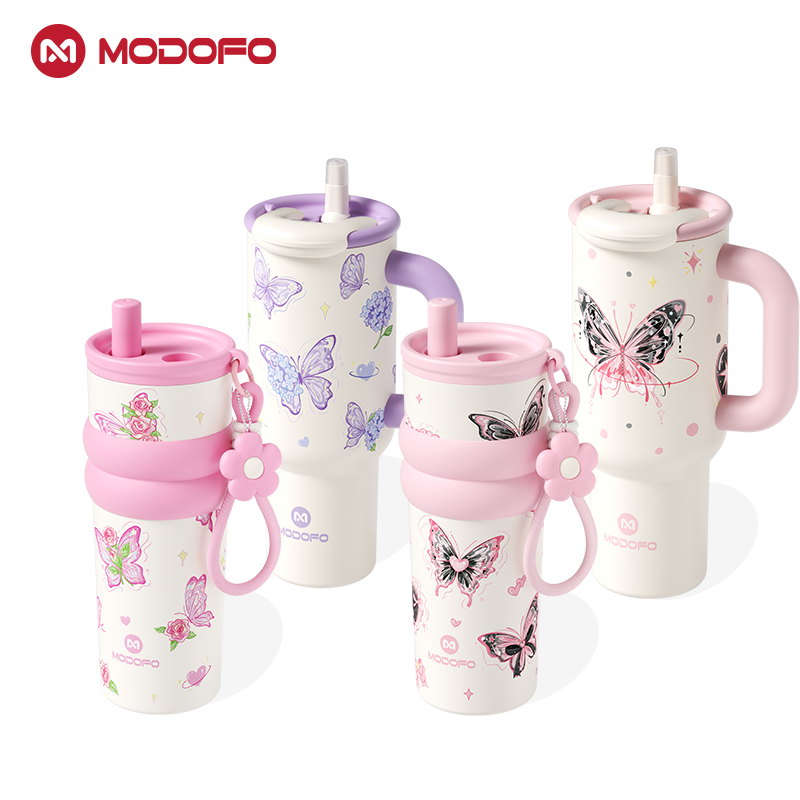
A reusable tumbler that moves effortlessly from the kitchen to the office and then to an evening walk.
Everyday essentials that remain useful across different routines.
Thoughtfully designed products that reduce clutter rather than add to it.
Whether someone lives in a city apartment, a studio, a family home, or a tiny house, the goal remains the same:
Create products that earn their place.
Our philosophy of Better Everyday Living is rooted in thoughtful design, lasting quality, and everyday versatility.
Because every object should contribute to a calmer, more comfortable home.
No matter its size.
Conclusion: Better Living Is About Better Use of Space
The homes of the future may continue to become smaller.
Cities will grow.
Apartments will become more adaptable.
Rooms will serve multiple purposes.
Our lifestyles will continue to evolve.
Yet the purpose of home will remain unchanged.
Home is where we prepare coffee before the day begins.
Cook meals with people we love.
Read beside the window.
Work toward our goals.
Welcome friends.
Rest after long days.
The size of these moments has never depended on the size of the room.
Living smaller is not about accepting less.
It is about discovering that thoughtful choices, intentional design, and meaningful routines can make even the most compact home feel rich with possibility.
Because the best homes are not the ones with the most space.
They are the ones that make the greatest space for living.
A beautiful home isn't measured by how much it holds. It's measured by how well it supports the life unfolding inside it.