

Why Moving Through Life Has Become a Lifestyle
Introduction: Life Is No Longer Lived in One Place
Not long ago, daily life followed a predictable pattern.
Home in the morning.
Office during the day.
Home again in the evening.
Most of life happened in just a few familiar places.
Today, our routines look very different.
We begin the day with coffee at home.
Answer emails on the train.
Meet colleagues in a coworking space.
Walk to a neighborhood café.
Exercise in the park.
Work from a library.
Catch a flight for a weekend getaway.
Spend Sunday exploring a nearby town.
Modern life is no longer lived in one location.
It unfolds between many places.
Mobility is no longer simply about reaching a destination.
It has become a way of living.
Everyday Life Happens Between Destinations
For many people, the journey is no longer something to rush through.
It has become part of the day itself.
A morning walk offers quiet time before work.
A subway ride becomes an opportunity to read.
A train journey inspires new ideas.
Cycling through the neighborhood provides both exercise and freedom.
Even waiting at an airport can become a chance to enjoy a good book or a favorite cup of coffee.
These moments were once considered empty time.
Today, they are meaningful parts of everyday life.
The spaces between destinations are no longer interruptions.
They are experiences worth enjoying.
Cities Are Becoming More Walkable
Across the world, cities are being designed for people rather than just vehicles.
Wider sidewalks.
Protected cycling lanes.
Neighborhood cafés.
Public parks.
Outdoor markets.
Community spaces.
People are choosing to walk not only because it is practical, but because it allows them to slow down and notice their surroundings.
A short walk often reveals details that would be missed from behind a windshield.
A local bakery.
A hidden bookstore.
Street musicians.
Seasonal flowers.
Friendly conversations with neighbors.
Walkable cities encourage healthier habits and stronger communities.
Sometimes the best way to experience a place is simply to move through it at walking pace.
Mobility Creates Everyday Freedom
The greatest benefit of mobility is not speed.
It is choice.
The freedom to decide where the day unfolds.
Some mornings begin in a quiet home office.
Others start in a favorite coffee shop.
A creative project may continue from a coworking space.
An afternoon meeting might happen while traveling.
Weekend plans can easily become spontaneous adventures.
Flexible mobility gives people the opportunity to design their own routines instead of following a single fixed schedule.
Freedom is no longer measured by distance.
It is measured by possibilities.
Everyday Essentials Travel With Us
As our lives become more mobile, the objects we rely on become more important.
A reusable bottle carried from home to the office.
A coffee tumbler accompanying the morning commute.
A lightweight backpack that organizes daily essentials.
Noise-canceling headphones during train rides.
A notebook ready whenever inspiration appears.
A portable charger that keeps everything connected.
These products quietly move with us throughout the day.
They are not tied to one location because modern life is no longer tied to one location.
The best everyday essentials are designed to adapt wherever life happens.
Slow Mobility Is Redefining Modern Living
Not every journey needs to be faster.
Many people are discovering the value of moving more slowly.
Walking instead of driving short distances.
Cycling through familiar neighborhoods.
Taking the train rather than flying whenever possible.
Choosing scenic routes over the quickest ones.
These choices often create richer experiences.
Moving more slowly allows us to notice architecture, nature, local businesses, and conversations that might otherwise pass unnoticed.
Slow mobility reminds us that travel is not only about arriving.
It is also about appreciating everything along the way.
The Commute Is Becoming Valuable Time
For years, commuting was often viewed as wasted time.
Today, many people see it differently.
Morning podcasts replace endless scrolling.
Books are read during train rides.
Coffee becomes a daily ritual before stepping into work.
Planning happens while watching the city pass by.
Quiet moments between destinations become opportunities for reflection.
Instead of separating commuting from living, people are learning to make these transitions meaningful.
Sometimes the journey offers exactly the pause we need before beginning something new.
Road Trips Celebrate the Joy of Exploration
Road trips continue to represent one of the most enjoyable forms of modern mobility.
Unlike fast travel, they encourage flexibility.
A scenic overlook becomes an unexpected stop.
A small café turns into the highlight of the day.
A local market inspires an unplanned detour.
National parks invite longer stays.
Families create traditions that begin with simply choosing a direction and seeing where the road leads.
Road trips remind us that freedom is not always found in reaching a destination.
Sometimes it is found in allowing the journey to unfold naturally.
Designing Products for a Mobile Lifestyle
Modern products should move as easily as people do.
They should be lightweight without sacrificing durability.
Comfortable to carry.
Simple to use.
Versatile enough to fit into different environments.
Easy to clean.
Reliable throughout busy days.
Whether at home, in the office, on public transportation, or outdoors, thoughtfully designed everyday essentials should support movement without creating unnecessary complexity.
Good design adapts to people.
People should never have to adapt to poor design.
The MODOFO GLOBAL Philosophy
At MODOFO GLOBAL, we believe life is no longer experienced in one place.
It moves naturally between homes, cafés, offices, trains, parks, airports, and countless places in between.
Thoughtfully designed everyday essentials should move just as effortlessly.
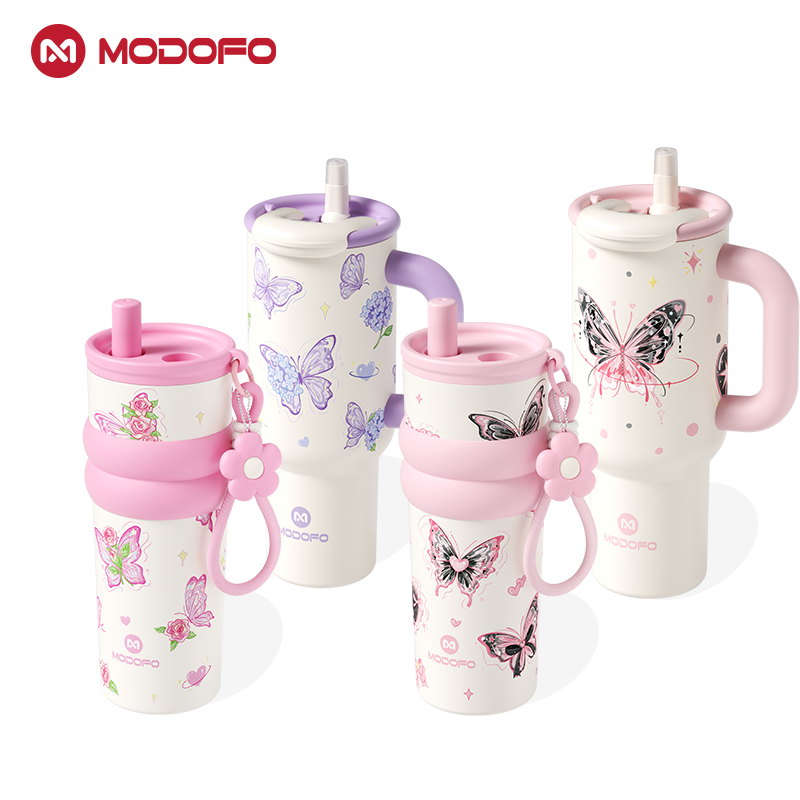
A reusable bottle that begins the morning commute and continues through an afternoon meeting.
Coffee enjoyed while watching the landscape pass from a train window.
Tea shared during a weekend road trip.
Simple products that quietly support movement without slowing life down.
Because mobility is not simply about transportation.
It is about living comfortably wherever the day takes us.
Conclusion: Better Living Moves With Us
Cities will continue to evolve.
Transportation will become smarter.
Work will become increasingly flexible.
Technology will make movement even easier.
Yet the most meaningful change is not technological.
It is personal.
People are no longer asking,
"How can I get there faster?"
They are asking,
"How can I enjoy the journey more?"
The future of mobility is not measured by speed alone.
It is measured by freedom, flexibility, and the ability to experience life wherever it happens.
Because the best everyday essentials are not designed for one destination.
They are designed to move naturally through every moment of modern life.
The future of mobility isn't about moving faster. It's about making every step, every ride, and every journey a meaningful part of how we live.